
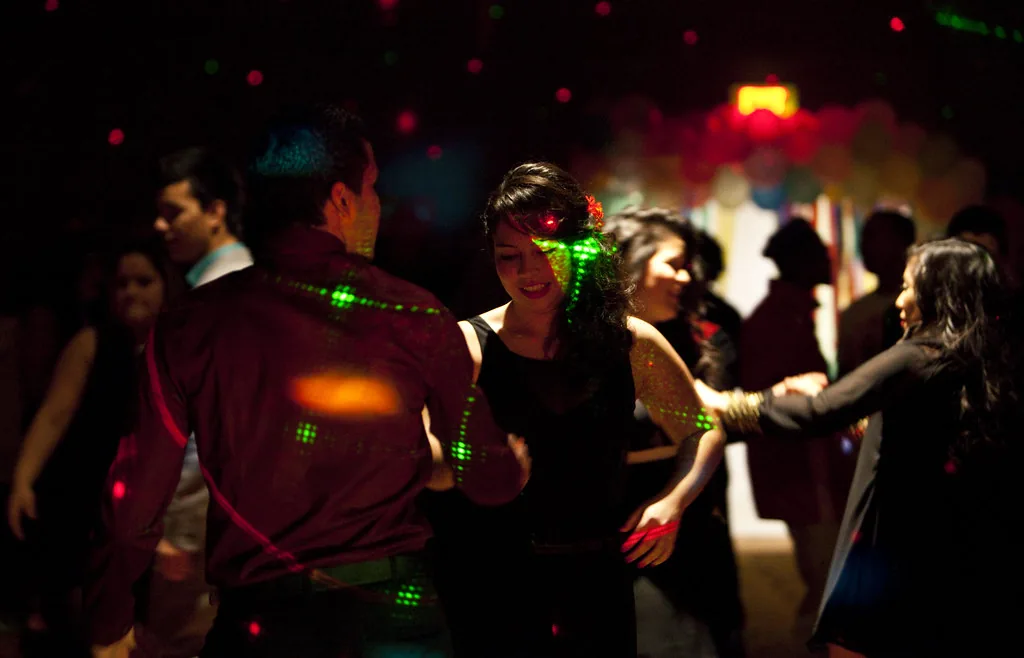
Discover the vibrant world of Latin dance with this guide for enthusiasts. Whether you are a beginner or an experienced dancer, finding the right place to practice is essential.
In Île-de-France, several establishments stand out for the quality of their teaching. Among them, SalsaNueva offers sessions for every level and in a variety of styles.
Dance is much more than a physical activity. It is a way to meet people who share the same passion. Flexible programs let you get started on weekdays or during weekend workshops.
Some schools offer up to 120 hours of classes per week. It is an ideal opportunity to improve quickly while having fun.
Why learn bachata in Paris?
Latin dance is attracting more and more enthusiasts, and bachata is no exception. Dynamic and accessible, it offers a unique experience combining passion and a friendly atmosphere.
A sensual and social dance
Learning this discipline goes far beyond the basic steps. It is an ideal way to build self-confidence and manage stress. Fluid movements foster a deep connection between partners.
Julien Cogordan, a French champion, emphasizes:
“The infectious energy of this practice creates immediate connections.”
Schools such as SalsaNueva organize weekly social evenings. These events provide an opportunity to put the techniques learned in class into practice.
The Paris dance scene: a breeding ground for talent
The region hosts more than 50 evenings devoted to this dance each month. Partnerships between establishments broaden the range of activities with interschool workshops.
The figures speak for themselves: 40% more new students since 2022. The instructors, often national champions, guarantee high-quality teaching.
| School | Activities | Benefits |
|---|---|---|
| SalsaNueva | Quarterly 5-hour workshops | Thursday social evenings |
| École des danses latines tropicales | 120 hours of classes per week | Beginners welcome throughout the year |
Whether you prefer classes as a couple or solo, each format offers distinct benefits. Interest continues to grow, making this discipline a wise choice for 2024.
Criteria for choosing a bachata school
Finding the right establishment requires a careful assessment of several factors. Reputation, teaching methods, and schedules play a key role in your progress.

The instructors’ reputation and experience
The instructors make all the difference. Favor those with dual expertise: recognized qualifications and stage experience. At SalsaNueva, every class is led by teaching couples such as Diger and Marie, whose backgrounds are in hip-hop and classical dance.
Their blended approach, both structured and playful, suits dancers of every level. An ideal ratio of 10 to 20 couples per session ensures personalized attention.
The variety of classes available
Choose schools offering a range of specializations. Lady Styling, turn techniques, and themed workshops enrich the learning experience. Salsabor stands out with 15 disciplines and seven levels, including hybrid modules combining in-person and video instruction.
“Technical classes help students master every detail, which is essential for making rapid progress.”
Schedule flexibility
A suitable schedule is crucial. The École des danses latines tropicales offers flexible time slots, even for beginners. Some establishments provide free make-up classes in the event of an absence.
| School | Specialties | Flexibility |
|---|---|---|
| SalsaNueva | Modern bachata | Partner classes, quarterly workshops |
| Salsabor | 15 disciplines | Hybrid memberships |
Finally, ask about hidden fees. Some schools include practice evenings in their prices.
Bachata styles taught in Île-de-France
The region offers a diverse range of styles to suit every taste. Each school highlights unique techniques tailored to students’ preferences.
Dominican bachata: pure and rhythmic
This traditional style is distinguished by its fast tempo and pronounced steps. Body placement is precise, with particular attention paid to hip movements.
Approximately 60% of establishments teach it. Schools such as SalsaNueva include workshops devoted to musicality.
Sensual bachata: fluidity and connection
Offered by 85% of schools, this version focuses on expressiveness. Body waves and footwork create harmony between partners.
“Switching from Dominican to sensual bachata transformed the way I move,” says Thomas, a student for two years.
Modern bachata: an innovative blend
This fusion style incorporates elements of hip-hop or Cuban salsa. It is perfect for those who enjoy experimenting.
Some centers even offer combinations with other disciplines, such as floor barre.
- Suitable shoes: flexible soles for sensual bachata, stable soles for Dominican bachata
- Hybrid classes available at Salsabor
- Intensive workshops for mastering transitions between styles
Top three bachata schools in Paris
Three establishments stand out for their unique approaches to teaching. With an average satisfaction rate of 92%, they combine expertise and innovation.

SalsaNueva: championship excellence
Founded by national champions, this school has earned 15 titles since 2013. Its intensive five-hour workshops are renowned for their technical rigor.
Its classes for children and parent-child pairs attract families. One student says:
“The instructors turn every movement into a story.”
École des danses latines tropicales: flexibility and friendliness
With a 94% satisfaction rate, this establishment focuses on accessibility. Payment in 10 installments and multi-dance passes are available.
Its “discovery” package lets students try three disciplines before committing.
Salsabor: diversity and professionalism
Qualiopi-certified, the school offers professional training and dance travel programs. Its studio rental service is ideal for rehearsals.
| School | Monthly prices | Specialties |
|---|---|---|
| SalsaNueva | From €90 | Competitions |
| Danses tropicales | €75 (10-session pass) | Flexible schedules |
| Salsabor | €85 | Hybrid training |
Each establishment offers distinct advantages suited to the needs of dancers. Compare the programs to find the ideal package.
What happens during bachata classes?
Each session is designed to combine enjoyment and progress. Schools adapt their approaches to participants’ levels and goals.
Classes for beginners and advanced dancers
For newcomers, the first sessions focus on the basics: rhythm, posture, and fundamental steps. The techniques are explained step by step so they can be learned naturally.
Advanced students work on complex sequences. The emphasis is on musicality and personal interpretation.
Technical workshops and intensive courses
Specialized modules allow students to explore specific aspects in greater depth, such as turns or lady styling. Schools regularly offer workshops on Sundays for complete immersion.
- Muscle and joint warm-ups
- Targeted technical exercises
- Creating and rehearsing sequences
The equipment provided includes high-quality audio systems and distortion-free mirrors. Some establishments even offer a “mirror class” option for better visualization.
Mentoring programs create connections between students at different levels. Each stage of progress is validated with a digital badge, motivating them to continue.
| Class type | Duration | Frequency |
|---|---|---|
| Beginner | 1 hour | Twice a week |
| Advanced | 1 hour 30 minutes | Three times a week |
| Intensive workshop | 4 hours | Sunday |
The history of this dance is incorporated into the classes, enriching the cultural experience. It is a comprehensive way to learn while understanding the dance’s origins.
Prices and memberships: what budget should you plan for?
Choosing an option that suits your budget is essential to getting the most from your learning experience. Schools offer various choices, from membership passes to pay-as-you-go classes.

Comparing multi-class packages
Quarterly memberships often offer the best rates. For example, the École des danses latines tropicales offers 10 sessions for €75, which is 30% less than paying for individual classes.
| Type | Benefits | Savings |
|---|---|---|
| 10-session pass | Valid for 6 months | Up to 40% |
| Annual membership | Unlimited access | 50% compared with the individual rate |
| Weekend workshops | Rapid progress | 4-hour package |
Flexible payment methods
Several establishments allow students to spread the cost. Payment in 10 interest-free monthly installments makes regular practice more accessible.
- Check additional costs: insurance (€15 to €30 per year), membership fee (€20)
- Take advantage of student discounts (20% off)
- Some schools refund unused classes
A committed dancer spends an average of €600 per year. Tax benefits allow up to 50% to be recovered through the CESU scheme.
“Our students particularly appreciate our transparent pricing and the option to pay in several installments.”
The benefits of partner and solo classes
Whether you prefer dancing with a partner or refining your style individually, each approach offers unique benefits. Schools adapt their methods to meet these two complementary needs.

Rotating partners: an advantage for improving
Practicing as a couple with systematic partner rotation, as at SalsaNueva, develops adaptability. This method helps dancers become accustomed to different body types and different dance energies.
Emotional-connection workshops strengthen rapport. They improve nonverbal communication, which is essential for harmonious dancing.
- 70% of technical progress comes from working in pairs
- Health protocols maintained for greater peace of mind
- Ideal program: three partner sessions for every solo session
Solo classes for developing your style
Individual styling, a Salsabor specialty, refines posture and muscle isolation. It is perfect for developing your own artistic identity.
“My solo classes helped me regain confidence in my body,” says Léa, a student for six months. The therapeutic benefits are often highlighted.
| Format | Benefits | Recommendation |
|---|---|---|
| Partner | Learning to lead and follow | Two to three times a week |
| Solo | Personalizing your style | Once a week |
Consult the schools’ schedules to combine these two formats effectively. Balancing the two approaches ensures well-rounded progress.
Events and social evenings for practicing
The Île-de-France dance scene is full of opportunities to dance regularly. Schools organize friendly gatherings that are ideal for applying techniques learned in the studio.
Weekly social evenings at the schools
Each establishment offers regular events. At SalsaNueva, the Thursday evening attracts nearly 200 participants. It has a festive atmosphere in which even beginners feel comfortable.
- Introductory evenings: free sessions for experiencing the atmosphere
- Interschool competitions with a professional judging panel
- International guest DJs four times per year
| School | Day | Special feature |
|---|---|---|
| SalsaNueva | Thursday | Open dancing until midnight |
| Salsabor | Friday | Monthly themes (retro, tropical, etc.) |
Sunday workshops and special events
Intensive workshops help dancers improve quickly. Salsabor’s Spring Break Latino brings together 300 enthusiasts for one weekend each year.
“The end-of-workshop shows are magical moments. Watching the students improve in just a few hours is always impressive.”
| Event | Frequency | VIP option |
|---|---|---|
| Technical workshops | Once a month (on Sunday) | Backstage access |
| Annual gala | December | Dinner with the instructors |
Testimonials from satisfied students
Student feedback reveals the transformative impact of this experience. With a 75% retention rate, Île-de-France establishments leave a lasting impression on their dancers.
Teaching methods that make a difference
Cristina, a student at SalsaNueva, shares: “The instructors make every movement feel intuitive. After six months, I dared to lead at a social evening!” Her video testimonial sums up the supportive approach of the schools.
The École des danses latines tropicales leads the field with a rating of 4.9/5 on Google. One comment appears frequently:
“You improve without even realizing it, carried along by the cheerful atmosphere.”
Inspiring journeys
From beginner to assistant instructor in three years: Justine’s journey demonstrates the effectiveness of the methods. Skills acquired:
- Mastery of five distinct styles
- Ability to lead workshops
- Certification in movement anatomy
Salsabor Pro’s dance training even enabled Marc, a former accountant, to change careers. “Late in my career, I found my true passion,” he says.
| Indicator | Result |
|---|---|
| Annual reenrollment | 75% |
| Average yearly progress | 2 levels |
Conclusion: find your ideal school
Choosing the right place to practice depends on your goals and preferences. Proximity, the style taught, and your budget are key criteria.
Take advantage of introductory workshops and open houses to try several schools. Some establishments even offer new students a free trial class.
Julien Cogordan, a champion at SalsaNueva, notes: “Dance transforms far more than the way you move. It is a unique human adventure.”
Whether your goal is recreation or a professional career, every school offers suitable pathways. Take the plunge and let your passion guide you!