
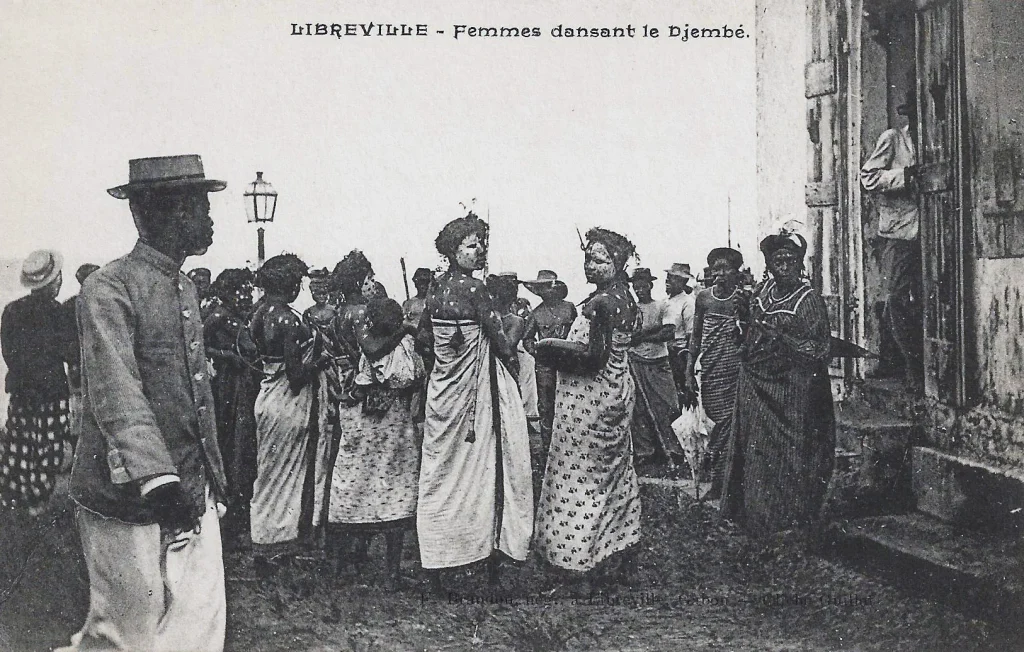
This guide lays the groundwork for choosing your first instrument wisely. It helps beginners in France understand the importance of the wood, drumhead and ropework.
First and foremost, 85% of teachers recommend the djembe as a first musical instrument. Your choice will depend on your height, budget and preferred playing style.
We explain how the quality of the materials affects the sounds, from deep bass to high notes. Maintenance, tuning and the use of a case extend the instrument’s life.
This short guide will steer you toward a better purchase and help you avoid common mistakes. For practical advice on choosing a beginner instrument, read our guide to choosing a djembe.
Why start playing the djembe today?
Starting the djembe today gives you direct access to rhythm and collective expression. In France, 85% of teachers recommend this instrument as a first practice for beginners.
This choice encourages rapid progress. You can feel a sense of achievement from the very first sessions, whether playing in a group or alone.
Playing percussion improves hand-eye coordination. It also helps develop a sense of rhythm and precision of movement.
Accessible and versatile, the djembe fits easily into contemporary music. It lets you learn complex rhythms while remaining approachable for beginners.
- Visible progress from the first lessons
- Group work and sharing within a community
- Improved coordination and posture
Choosing this drum means joining an active scene. Playing soon becomes motivating and tangible, making it ideal for anyone seeking a lively, social instrument.
Modern or traditional djembe: what are the differences?
The choice of material directly shapes the instrument’s sonic personality and ergonomics. Understanding how it is made helps you decide according to your playing habits and lifestyle.
Craftsmanship and cultural heritage
Solid-wood models, made from woods such as mahogany or iroko, often come from West Africa. Their craftsmanship relies on knowledge passed down over many years.
A natural goat-skin head provides the harmonic richness and tonal warmth valued by purists.
“A handcrafted instrument tells its story with every strike.”
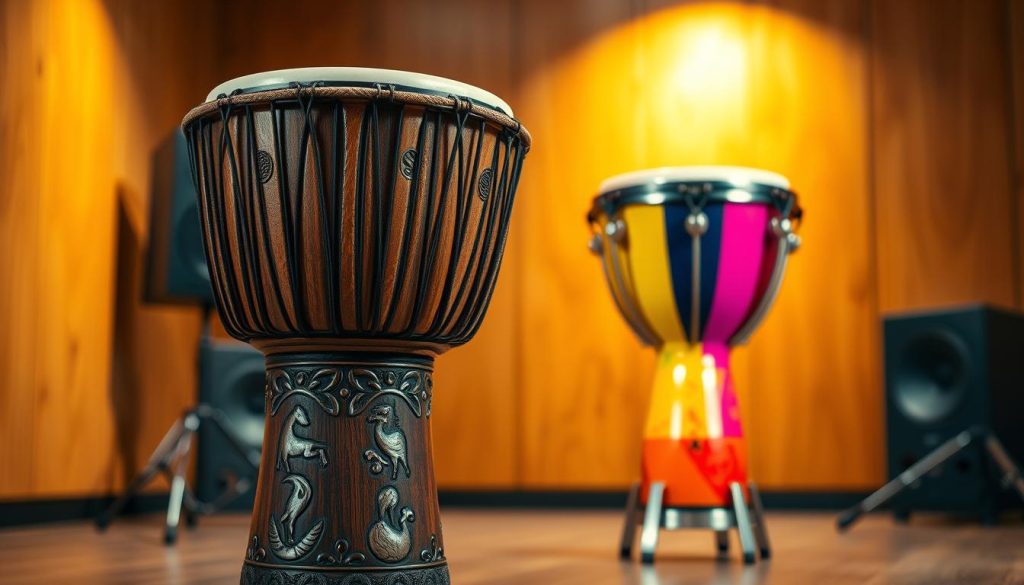
Advantages of models made from synthetic materials
Models made from synthetic materials offer excellent durability and are easier to maintain in changing weather conditions.
Practical for travel, this type of model reduces the risk of cracking and stays in tune longer.
- Authenticity: the sound and quality of a solid-wood djembe.
- Practicality: the strength and easy maintenance of synthetic models.
| Feature | Solid wood | Synthetic materials |
|---|---|---|
| Origin | West Africa, local woods (mahogany, iroko) | Factory, composite materials |
| Head | Natural goat skin, rich in harmonics | Stable synthetic heads |
| Maintenance | More demanding (humidity control) | Easy, with little sensitivity to changes |
| Use | Concerts, pursuit of a particular tone color | Travel, schools, outdoor playing |
Your choice depends on your goal: authenticity when buying a wooden djembe, or practicality for a nomadic lifestyle. To compare the options before buying, read our guide to the types of djembes.
Analysis of materials and build quality
Comparing woods, fibers and heads helps you choose an instrument suited to your budget and progress.
Industrial models are often made from fiberglass or ABS plastic. They offer good value for money to beginners who want to try the instrument without investing too much.
A solid-wood shell, made from a wood such as mahogany, produces a warm tone and harmonic richness that are difficult to reproduce with composites.
The combination of a goat-skin head and a wooden shell ensures full bass and precise highs. Natural heads require regular care.
Synthetic heads withstand temperature changes better and require less care. Mass production makes djembes more affordable, but their acoustic quality varies.
“Each material affects the instrument’s durability and response.”
- Wood or fiber: warmth versus strength.
- Goat skin: sonic richness, but pay attention to maintenance.
- Industrial models: practical for beginners and travel.
The impact of wood density on the sound signature
The density of the wood directly affects how an instrument returns the energy of the hand. Density determines the depth of the bass and the clarity of the high notes.
Comparative study of African and Asian wood species
African hardwoods have a density of 700 to 900 kg/m³. A wood such as mahogany acts like an acoustic mirror. It projects and sustains the note.
By contrast, Asian softwoods have a density of 400 to 500 kg/m³. They absorb some of the hand’s energy. The sound becomes duller and less rich in harmonics.
The instrument’s quality depends heavily on this physical property. A djembe made from dense wood offers superior resonance and more nuanced sonic possibilities.
“The choice of material is not merely an aesthetic matter; it determines acoustic performance.”
- Density determines how long the note lasts.
- Hardwoods: projection and deep bass.
- Softwoods: duller sounds and shorter sustain.
To choose a good instrument, assess the density of the wood and how it interacts with the head. This criterion directly affects the sounds you will produce.
Choosing the ideal size for your body type
Height and diameter directly affect posture and playing feel.
Choosing the right size protects your wrists and encourages fluid playing. Test the height to ensure that your hand falls naturally onto the head.
A large djembe offers deep bass and strong projection. Conversely, a small model produces higher, brighter sounds.
When buying, try several models to check their ergonomics. Look for a stable hold and a comfortable position for the instrument in relation to your body.
- Comfort: injury prevention.
- Suitable size: precise hand movements and better posture.
- The quality of the wood and the tension of the head complete the playing experience.
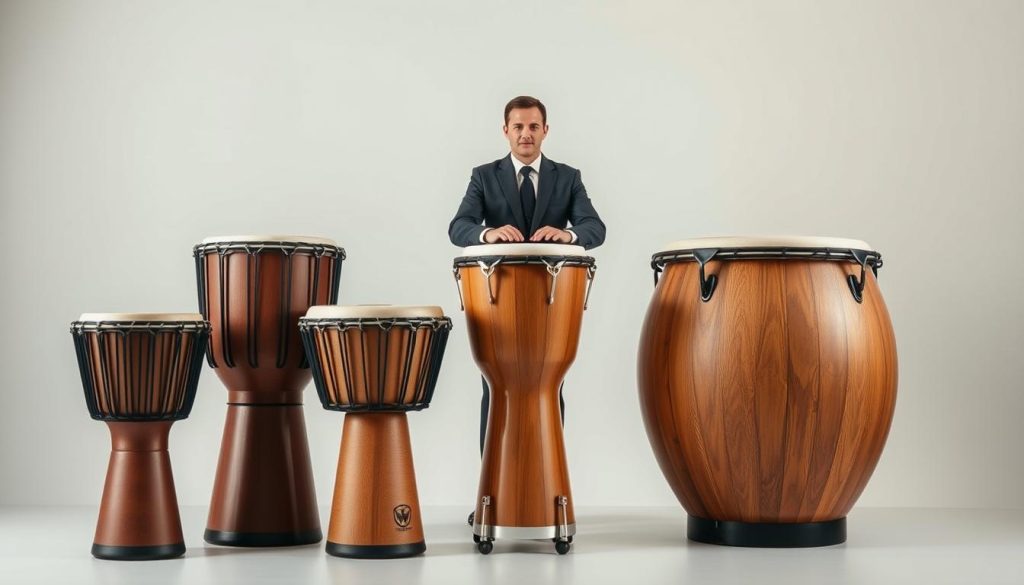
“A properly sized djembe makes progress easier and improves projection in a group.”
| Feature | Small diameter | Large diameter |
|---|---|---|
| Height | Lower, suitable for seated players | Higher, requires adjusted posture |
| Sound spectrum | Clear highs | Deep bass |
| Comfort | Less effort for the hand | May place greater strain on the wrists and shoulders |
Playing techniques and comfort to prevent injury
How you strike affects both the sound and your physical comfort. Healthy technique protects your wrists and extends the life of your instrument.
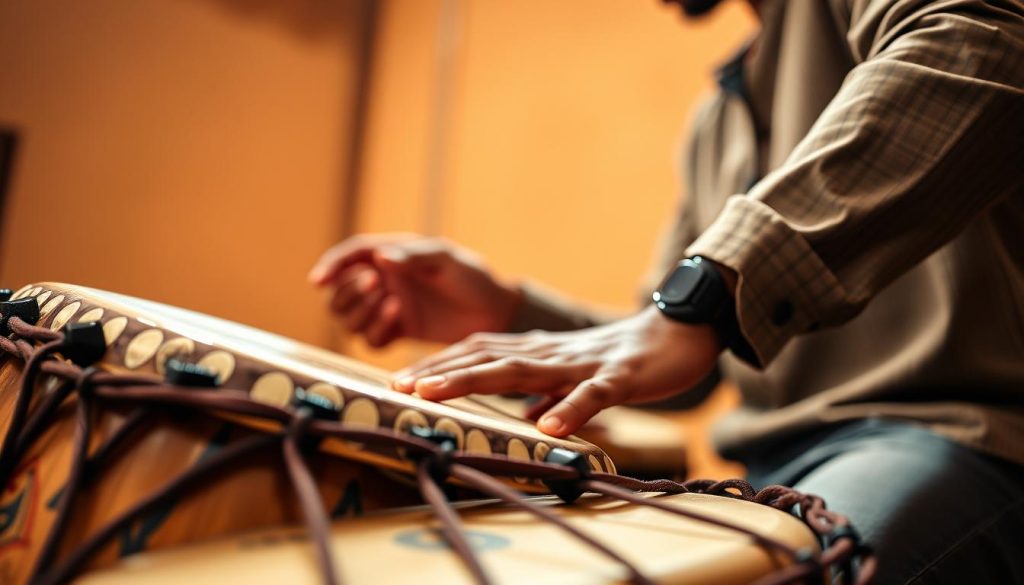
The importance of posture
First and foremost, adopt a stable posture, whether seated or standing.
Heidi Joubert emphasizes that correct alignment of the back and shoulders prevents tendinitis and microfractures.
The secrets of relaxation for an effective strike
Mario Cortes points out that relaxation is the key to a clear, sustainable strike.
Place your hand on the head without stiffness. The energy should come from the wrist, not the entire arm.
- Technique: use a relaxed strike to obtain precise sounds without forcing.
- Maintenance: check the rope and head for stable tuning and better learning.
- Transport: a case protects the instrument from impacts and makes traveling easier.
“A relaxed movement produces a richer sound and protects your hands.”
Apply these principles during your percussion sessions. Your playing will become smoother and more rewarding.
Managing climate changes and maintenance
Protecting your djembe extends its life and stabilizes its sound. The ideal relative humidity is between 45% and 55%. Maintaining this range limits excessive tension on the head.
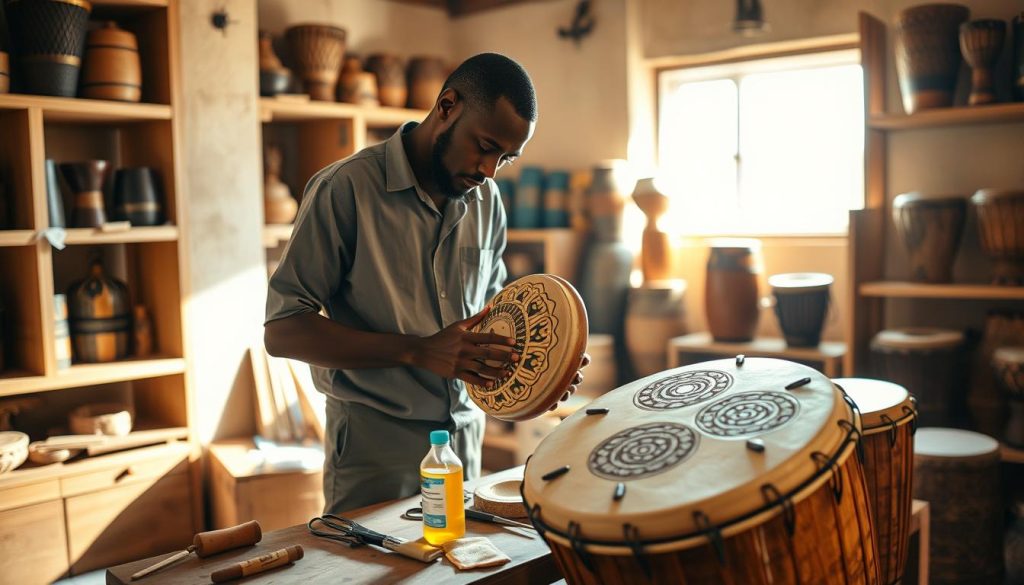
Temperature changes can alter head tension by 15% to 20%. Check the tension before each session so you can adjust the tuning.
Regular maintenance includes oiling the wood and cleaning the head. These steps prevent cracks and preserve sound quality.
- Use a case when traveling to prevent thermal shock.
- Models made from synthetic materials are more resistant, but they also require care.
- Check the tension by hand before playing.
“Caring for your instrument ensures years of musical enjoyment.”
| Problem | Cause | Recommended action |
|---|---|---|
| Loose head | High humidity | Adjust the tension and store in a dry place |
| Cracks in the shell | Wood is too dry | Oil regularly and maintain proper humidity |
| Frequent loss of tuning | Temperature changes | Use a case and check before playing |
The role of ropework in tuning stability
The quality and installation of the rope determine the instrument’s dynamic response. The ropework is the framework that maintains tension on the head. Without proper tension, the bass lacks depth and the highs become indistinct.
For a complete setup on a standard model, allow approximately 30 meters of rope. Pre-stretched Dyneema rope is widely favored for its unrivaled stability and low elasticity.
Comparison of rope types for your instrument
Choice: marine rope offers excellent outdoor durability. Traditional rope provides a distinctive appearance and feel, but requires more maintenance.
- Stability: pre-stretched Dyneema > marine rope > traditional rope.
- Maintenance: check for wear and prevent rubbing against the wood.
- Construction: careful installation ensures even tension across the head.
“The ropework is the framework of your instrument and the guarantor of its sound quality.”
A considered purchase includes checking the type of rope and how it has been installed. To learn how to assess a secondhand instrument, read our guide on what to check before buying.
Advice for an ethical and responsible purchase
Buying your instrument conscientiously begins with checking the origin of the wood and the maker’s traceability.
Check for FSC or PEFC labels: they certify sustainable forest management. For protected species, request a CITES certificate. This document is non-negotiable for rosewood or ebony.
Choose a solid-wood shell from West Africa, such as mahogany, only if the supply chain is transparent. This protects forests and supports local communities.
Choosing a djembe with a certified goat-skin head helps preserve artisanal expertise. Build quality affects the price, lifespan and sounds.
“Investing in a certified instrument means playing with a clear conscience.”
- Demand traceability and certificates for the wood.
- Favor artisanal production and verified skins.
- Think about maintenance: a good case and regular tuning extend the instrument’s life.
| Criterion | Why it matters | Recommended action |
|---|---|---|
| CITES certificate | Protects threatened species | Request the document for exotic woods |
| FSC/PEFC label | Responsible forest management | Check for the statement on the invoice or label |
| Certified goat skin | Supports local artisans | Choose models with traceability |
| Maintenance & case | Sound stability and durability | Invest in a case and regular maintenance |
If you are a beginner, learn how to choose a responsible instrument. This reduces environmental impact and supports a sustainable musical practice.
Conclusion
To conclude, choose a drum according to your goals, budget and preferred feel. A good purchase combines ergonomics, sound and practicality for life in France.
A quality instrument, whether made from solid wood or composite materials, requires regular care. Oiling the shell, checking head tension and protecting the instrument help preserve its acoustic quality.
Mastering striking techniques and adopting suitable posture are essential for progressing without fatigue or injury. Work on staying relaxed and check your position before every session.
Finally, prioritize traceability when buying to support artisans and preserve resources. Regular practice and enjoyment remain the driving forces behind your musical development.