
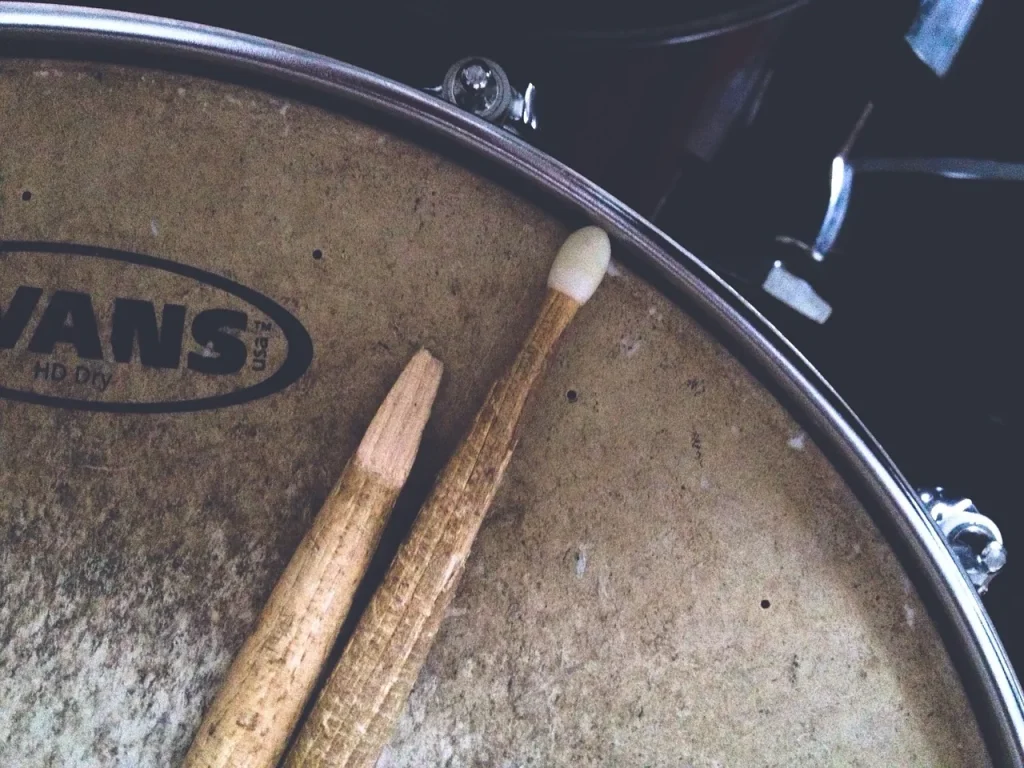
Cuban music is a blend of African, European, Asian and American cultures. This creates a unique and distinctive sound. Congas, bongos and timbales provide the rhythm. Claves, maracas and the güiro add unique textures.
The Cuban tres and wind instruments such as the corneta china are important in Cuban music. They stem from European influences and Asian influences. These instruments create a unique sound that reflects Cuba’s rich cultural heritage.
Introduction to Cuban music
Cuban music is a blend of cultures. It combines European influences with African and Indigenous American influences. This has created unique styles such as son, bolero, mambo and salsa.
Cultural blending
Enslaved Africans and Spanish masters created a unique form of music. Their cultures blended to give rise to Creole and national music. Since then, other influences from South America, the Caribbean and Asia have enriched Cuban music.
Origins of Cuban son and bolero
Cuban son and Cuban bolero originated in Santiago de Cuba. Son arose in the countryside and spread throughout Cuba. Bolero emerged in cities as a romantic serenade. These genres helped reveal Cuban identity.
“Cuban music arose from the convergence of the traditions of enslaved Africans and Spanish masters, giving rise to Creole and national music.”
Cuban percussion instruments
Cuban music is rich in percussion instruments. These instruments are essential to creating the island’s unique rhythms. Congas, bongos and timbales are among the most important.
Congas, bongos and timbales
Congas, also called tumbas or tumbadoras, are Afro-Bantu drums. They lie at the heart of Cuban rhythm. Bongos are two small drums played on the knees. Timbales appeared in the early twentieth century for danzón.
Claves, maracas and güiro
Claves, maracas and the güiro are also essential to Cuban music. Claves are two wooden sticks struck against each other. Maracas and the güiro are used for their unique sounds.
Batá drums
There are three types of batá drum: iyá, itótele and okónkolo. They are mainly used in Santería. Originating in Yoruba Africa, they are distinguished by their unique traditional construction.
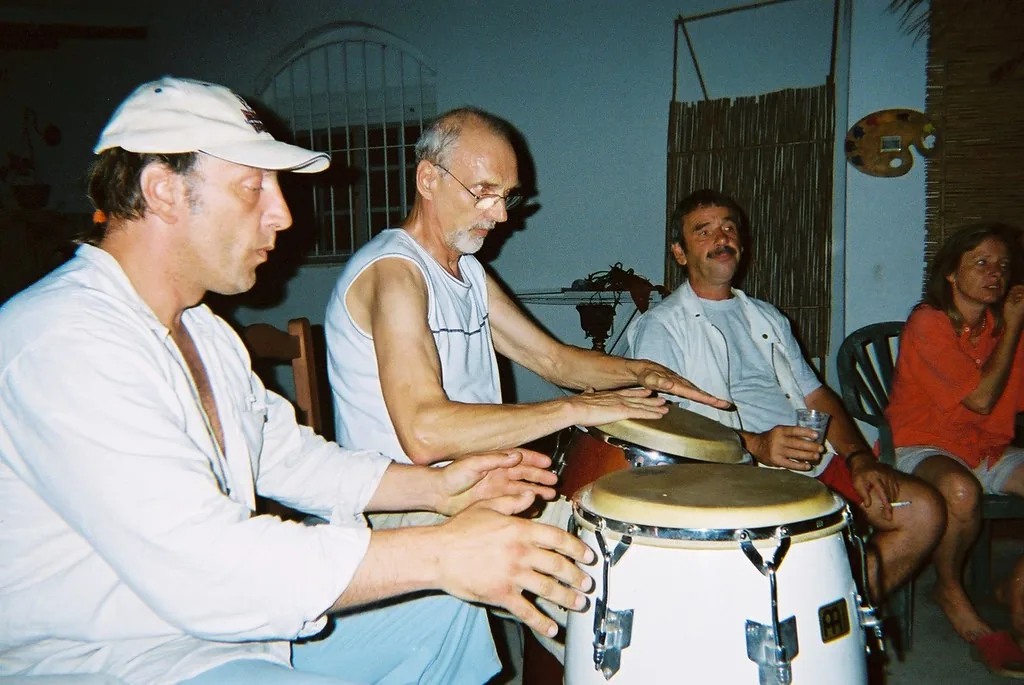
The conga is a central instrument in Afro-Cuban music. It is used for dance and music. Its origins can be traced to festivities held by enslaved Black people.
Cuban string instruments
String instruments are very important in traditional Cuban music. The Cuban tres is a perfect example. It is a small three-string guitar resembling a mandolin. Once made from crates and animal gut, it is now widely known.
Artists such as Compay Segundo and Fernando Dewar made the Cuban tres famous. With its Hispanic sound, this instrument adds a unique touch to Cuban music.
“The tres is an essential instrument in Cuban music: it gives styles such as son and bolero a unique identity.”
The Cuban lute, inspired by the Spanish guitar, is also important. Through their melodies and rhythms, these instruments enrich traditional Cuban music.
What are the Cuban musical instruments?
Cuban music is a blend of styles and influences. This stems from the richness and diversity of Cuban culture. Cuban percussion instruments, such as congas, bongos, timbales, claves, maracas and the güiro, are very important. It also features Cuban string instruments, such as the tres.
Percussion is essential in Cuban music. It gives the music energy and complexity. The Cuban timbale, or paila, appeared in the early twentieth century. It is now essential in many Latin music groups.
Cuban music also includes Cuban wind instruments, such as the corneta china. These instruments emerged from Cuban culture, enriched by European and African influences. They create a unique and captivating sound.
Tumba francesa, recognized by UNESCO, demonstrates the richness of Cuban music. Instruments lie at the heart of this musical tradition. They are essential to the island’s identity.
Cuban wind instruments
Cuban music is rich and varied and includes essential wind instruments. Among them, the corneta china is particularly distinctive. It plays an important role in Cuba’s unique sound.
Corneta china
The corneta china arrived in Oriente with Chinese immigrants from Canton. It is particularly prominent during Carnival and Santiago de Cuba’s Festival del Fuego. This illustrates the Asian influence on Cuban music.
It has a unique voice that is both gentle and powerful. It therefore helps shape Cuba’s musical identity. Its presence reflects the cultural blending that forged Cuban music.
“The corneta china is an iconic instrument that embodies the very essence of Cuban music, reflecting its cosmopolitan history and unique identity.”
Cultural influences on Cuban instruments
Cuban instruments reflect a rich cultural blend. They are influenced by European, African and Indigenous cultures. This diversity created a unique musical style in Cuba.
European instruments
Spanish instruments strongly influenced Cuban instruments. Guitars, violins and double basses, as well as flutes and other instruments, were brought to Cuba. They enriched Cuban music.
African instruments
African influences, particularly those of Yoruba culture, are strongly represented in Cuban instruments. Batá drums are a good example. Other percussion instruments, such as congas and maracas, also come from Africa.
| European instruments | African instruments |
|---|---|
| Guitar | Batá drums |
| Violin | Congas |
| Double bass | Claves |
| Flute | Maracas |
“Cuban musical culture is the product of a complex process of cultural integration, shaped by diverse influences, such as those of the United States and other countries, and by the continual blending of musical traditions.”
This blend of influences created unique Cuban instruments. They demonstrate the richness of Cuban musical culture. This fusion gave rise to genres such as Cuban son and guaracha.
How Cuban instruments evolved over time
Over the years, new Cuban instruments have enriched Cuban music. Instruments such as the piano, brass instruments and the marímbula were added to traditional percussion and string instruments.
This evolution of Cuban instruments gave rise to new genres. Mambo, salsa and timba became popular. These new sounds enriched Cuban musical identity while respecting its traditions.
- 1930s: the Pichones appeared with bocus, handbells and a bombo.
- 1940s: chancletas were used in the paseos, with wooden-soled tap shoes.
- 1950s: female costumes and makeup were introduced into the predominantly male paseos.
- 1960s: the Muñecones (big heads) comparsa appeared at Carnival.
- Today: the paseos include three cencerros, two bombos and two tumbadoras, without sartenes.
The evolution of Cuban instruments enriched Cuban music while respecting its traditions. This constant adaptation has made Cuban music unique and dynamic.
“The introduction of new Cuban instruments enabled more contemporary musical genres to emerge while preserving the ancestral roots of Cuban music.”
Conclusion
Cuban music is the result of a unique cultural blend. It has created a rich and varied musical heritage. Instruments such as batá drums, the corneta china and the tres give the Cuban sound its distinctive character.
This diversity demonstrates the richness and vitality of Cuban musical culture. It constitutes a musical heritage to be discovered and protected.
Cuban music evolved by blending rumba with European influences and African influences. It retained its unique identity. Styles such as timba, boleros and dance songs enrich Cuban music.
These instruments, symbols of this cultural blending, have become emblematic of Cuban music. They inspire new generations and contribute to Cuban music’s worldwide renown.
FAQ
What are the main instruments used in Cuban music?
What are the origins of Cuban music?
What are the main Cuban percussion instruments?
What is the Cuban tres?
What are the cultural influences on Cuban instruments?
How have Cuban instruments evolved over time?
Source links
- https://en.wikipedia.org/wiki/Music_of_Cuba#Popular_music
- https://www.libraryofdance.org/dances/salsa/
- https://ich.unesco.org/en/RL/la-tumba-francesa-00052
- https://en.wikipedia.org/wiki/Afro-Cuban_jazz
- https://en.wikipedia.org/wiki/Son_cubano
- https://en.wikipedia.org/wiki/Timbales
- https://en.wikipedia.org/wiki/Kalimba
- https://en.wikipedia.org/wiki/Conga_(comparsa)
- https://en.wikipedia.org/wiki/Cuban_rumba
- https://en.wikipedia.org/wiki/Tres_(instrument)
- https://s594f8875e798d1c1.jimcontent.com/download/version/1683532047/module/11691626972/name/MUSIQUES & INSTRUMENTS CUBAINS – CHAN CHAN.pdf
- https://en.wikipedia.org/wiki/Cuban_music
- https://en.wikipedia.org/wiki/Street_organ
- https://en.wikipedia.org/wiki/Conga
- https://en.wikipedia.org/wiki/Culture_of_Cuba
- https://en.wikipedia.org/wiki/Afro-Cuban_music
- https://en.wikipedia.org/wiki/Music_of_Cuba#Popular_music
- https://en.wikipedia.org/wiki/Guaracha
- https://en.wikipedia.org/wiki/Carnival_of_Santiago_de_Cuba
- https://en.wikipedia.org/wiki/Compay_Segundo
- https://en.wikipedia.org/wiki/Cuban_salsa
- https://en.wikipedia.org/wiki/Bat%C3%A1_drum
- https://www.britannica.com/art/lamellaphone