
Cuban music is a unique blend of African and European cultures. It emerged in the 16th century. Enslaved Africans and Spanish colonists brought their musical traditions to the Caribbean.
This encounter created numerous musical genres. Each has its own rhythms, melodies, and instruments. Cuban music is rich and diverse, transcending cultural boundaries.
The African and European Origins of Cuban Music
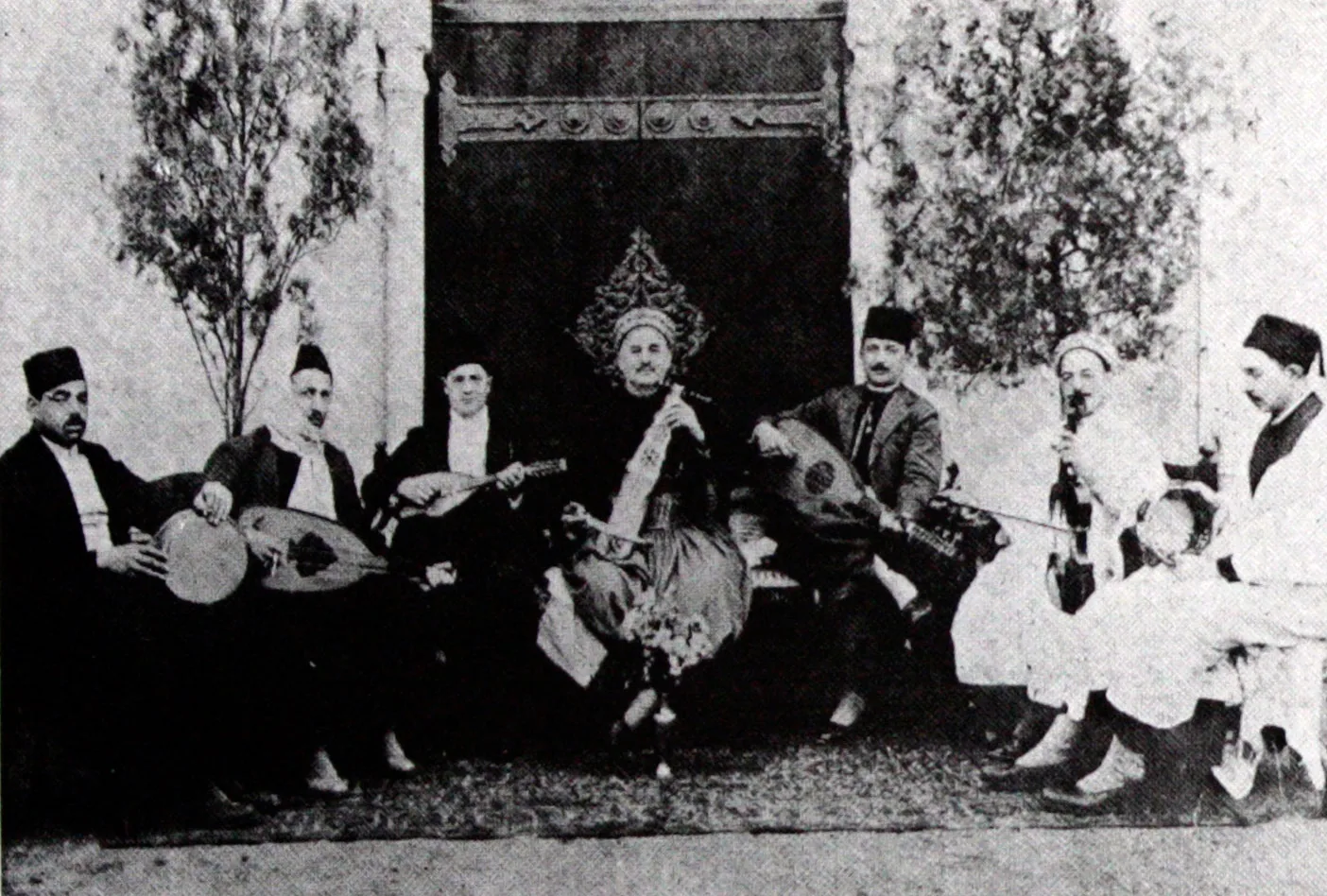
The African roots of Cuban music run deep. They come from the traditions of peoples who were enslaved and forcibly transported to the Caribbean. Congas, bongos, and claves bear witness to this African rhythmic heritage.
The Spanish melodic and harmonic influences arose from colonization. They created a unique blend of sounds, styles, and cultures in Cuban music.
Africa’s Rhythmic Heritage
After slavery was abolished, a mass movement of formerly enslaved Africans to the cities transformed Cuban culture. This period saw the emergence of Cuban nationalist music. It combined European dances with multicultural influences.
Spanish Melodic Influences
The criollo, a Cuban patriotic movement, played a key role during the Second War of Independence (1895–1898). It helped shape Cuban music. This development highlighted the importance of the African origins of Cuban culture.
“Two schools of thought emerged in the early 20th century: indigenismo, which emphasized a supposedly surviving Indigenous culture, and Afro-Cubanism, which asserted the African origins of Cuban culture.”
Cuban music is a rich blend of African roots and Spanish contributions. It has created unique Afro-Cuban rhythms and exceptional multicultural influences.
Popular Cuban Musical Genres
Cuban music is rich and varied, with unique genres. Rumba and Cuban son emerged from African traditions. They are powerful and captivating. Danzón and mambo reflect Spanish influence through their melodies and rhythms.
These genres form the soundscape of Cuban music.
Rumba and Cuban Son
Rumba is a Cuban musical genre and dance of African origin. It is known for its percussive rhythms. Cuban son is an early-20th-century genre combining African and Spanish influences.
It has a unique melodic structure and captivating rhythms.
Danzón and Mambo
Danzón is a musical genre and dance of European origin that became popular in the 19th century. It is known for its elegant melodies and lively rhythms. Mambo is a Cuban musical genre and dance from the 1940s.
It is characterized by syncopated rhythms and fast tempos. Mambo achieved worldwide success and influenced many genres.

“Cuban music is a fascinating blend of African rhythms and Spanish melodies, creating a unique and captivating identity.”
Why Is Cuban Music So Diverse and Varied?
Cuban music owes its richness to the cultural fusion of African and Spanish influences. This blend created unique music characterized by a great variety of rhythms and styles. These include rumba, danzón, Cuban son, and mambo. These styles reflect the diversity and complexity of Cuban culture.
The Fusion of African and Spanish Cultures
The process of recognizing Afro-Cuban heritage has been complex. Perceptions of this heritage evolved: initially viewed as disruptive, it was later recognized as a contribution to Cuban identity. In the 1920s, musicians and dancers diversified their sources of income. Faced with discrimination, they worked in various low-paid jobs.
The Variety of Rhythms and Styles
The Afro-Cuban repertoire became popular in Havana’s cabarets and music industry during the 1940s. This helped artists gain national and international recognition. After the revolution, Cuba supported the preservation of Afro-Cuban culture while rejecting racial connotations.
Collaboration between artists and scholars helped adapt the Afro-Cuban repertoire for a wider audience. They incorporated elements from different musical genres and dance styles. This collaboration introduced audiences inside and outside Cuba to Afro-Cuban culture.
“Over the past fifteen years, Afro-Cuban artists have joined the global ‘Afro’ movement while maintaining a predominantly Cuban identity, particularly when competing with non-Cuban artists.”
The Evolution of Salsa and Timba
Cuban music has evolved over the years. Salsa and timba have gained an international dimension. They were influenced by Cubans and Puerto Ricans in New York. Their blend of Cuban rhythms and modern elements enabled them to achieve worldwide success.
Contributions from New York and Puerto Rico
Salsa emerged in New York during the 1960s and 1970s. It grew out of Cuban and Puerto Rican immigration. This blend of son cubano, jazz, and Puerto Rican music created a dynamic genre.
Timba emerged in the 1990s. It stands out for its powerful rhythm and complex arrangements. It blends Latin jazz, son, rumba, and mambo, creating innovative music.
“Timba represents a fusion of various folk and popular sources, incorporating influences from genres such as rock, jazz, and funk.”
The evolution of Cuban music demonstrates its ability to draw strength from diverse cultures while retaining its unique identity.
Conclusion
Cuban music is rich and diverse. It reflects the fusion of African and Spanish cultures. Its genres include rumba, mambo, salsa, and timba.
This music has remained authentic while continually reinventing itself. Its creativity inspires the entire world, and it transcends borders.
This summary shows the importance of Cuban music. It arose from the union of African and European cultures. This created unique genres that resonate around the world.
Cuban music has adapted and reinvented itself. It has become a global cultural phenomenon while honoring its rich heritage.
Cuban music is not limited to a single style. It offers a variety of genres, such as rumba and salsa. This diversity accounts for its worldwide renown.
FAQ
Why is Cuban music so diverse and varied?
What are the African and European origins of Cuban music?
What are the main popular Cuban musical genres?
Why is Cuban music so diverse and varied?
How did Cuban music evolve through salsa and timba?
Source Links
- https://www.discoverpuertorico.com/article/guide-to-salsa
- https://scalar.usc.edu/works/music-in-global-america/cuban-music-in-america.12
- https://en.wikipedia.org/wiki/Music_of_Cuba
- https://hop.dartmouth.edu/sites/hop.prod/files/hop/imaniwinds-studyguide-web-new.pdf
- https://artscenter.vt.edu/blog/2026/09/sounds-of-cuba.html
- https://academic.oup.com/book/6051
- https://www.si.edu/es/object/history-afro-cuban-latin-american-music-singers-musicians-composers-harvey-sheldon%3Asiris_sil_1169160
- https://www.uspto.gov/learning-and-resources/journeys-innovation/historical-stories/inventing-salsa
- https://www.nps.gov/articles/000/salsa-and-migration.htm
- https://artscenter.vt.edu/blog/2026/09/sounds-of-cuba.html
- https://www.cambridge.org/core/services/aop-cambridge-core/content/view/S0149767700002977
- https://www.pbs.org/buenavista/music/a_rumba.html
- https://scalar.usc.edu/works/music-in-global-america/cuban-music-in-america.12
- https://teachersinstitute.yale.edu/curriculum/units/files/96.04.02.pdf