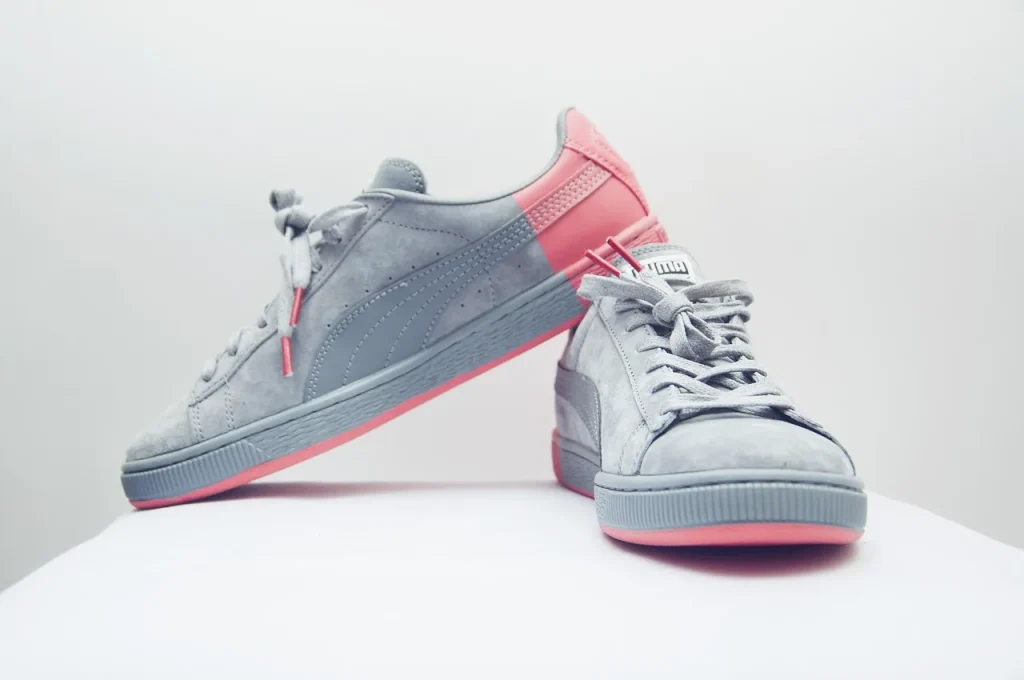
Salsa is a demanding physical activity that requires fast, fluid and precise movements. It is therefore crucial to choose the right shoes so that you can move with ease and confidence on the dance floor. But which shoes are best suited to salsa dancing?
In this article, we will help you find the perfect pair of salsa shoes. We will explore the different styles of salsa, the footwear requirements for each style and the most reliable dance shoe brands. We will also give you useful advice on choosing shoes that are not only sufficiently supportive but also comfortable and stylish.
Whether you are a beginner or an experienced dancer, this guide will help you find shoes that are perfectly suited to your dance style and individual needs. So, are you ready to discover the secrets of the perfect pair of salsa shoes?
The different styles of salsa and their footwear requirements
Salsa is a dynamic and demanding discipline that can take many forms. The different styles of salsa, such as Cuban salsa, Colombian salsa, Puerto Rican salsa and linear salsa, each have their own characteristics and dance footwear requirements.
Salsa dance shoes need to be comfortable, lightweight and highly flexible to allow for precise, rapid movements. Your choice of shoes should also take into account the type of floor on which you dance, as this can affect their stability and grip.
For Cuban salsa, dance shoes often have rubber or leather soles that provide better grip on wooden surfaces. Shoes for Colombian salsa generally have higher heels than those designed for other styles, helping dancers maintain an upright and elegant posture.
Puerto Rican salsa
Puerto Rican salsa is one of the most popular dance styles in France and around the world. Dance shoes for Puerto Rican salsa are generally more elegant and sophisticated, with thinner soles for a better feel of the floor and low heels for greater stability.
Shoes for linear salsa have smoother soles to make turns and changes of direction easier.
It is important to choose dance shoes suited to your salsa style so that you can perform at your best and prevent injuries.
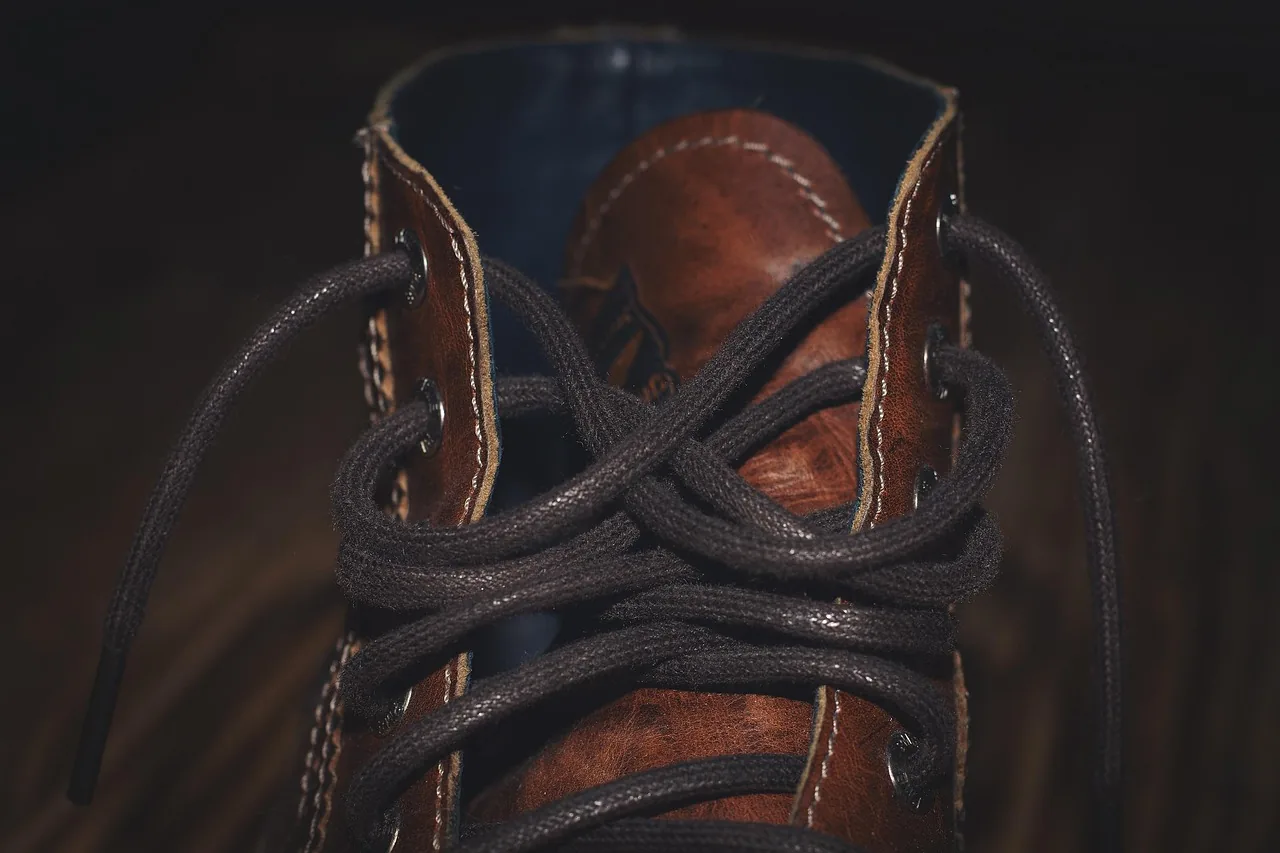
“Salsa dance shoes need to be comfortable, lightweight and highly flexible to allow for precise, rapid movements.”
Tips for choosing the right shoes for salsa dancing
When it comes to choosing the right shoes for salsa dancing, it is important to consider several factors to ensure maximum comfort and performance on the dance floor.
Here are some useful tips to help you choose the perfect shoes for your dance style:
| Tip | Description |
|---|---|
| Choose flexibility | Dance shoes should be flexible enough to move with your feet as they bend during salsa movements. Choose shoes with flexible soles for maximum freedom of movement. |
| Choose the right heel height | High heels may look beautiful, but if you are a beginner, you may find it easier to dance in shoes with lower heels. Heels of 1 to 3 inches are ideal for salsa. |
| Make sure the sole provides good grip | Shoes with leather soles are ideal for salsa because they allow you to glide easily across the dance floor. However, make sure the soles are not too slippery to avoid accidents. |
| Choose comfortable shoes | Dance shoes should be comfortable so that you can dance for long periods without pain or discomfort. Try several pairs before making your final choice. |
Remember that salsa dance shoes can vary according to each person’s preferences and needs. Make sure you choose the pair best suited to your dance style and skill level.
It is also important to remember that dance shoes can be expensive, but they are a worthwhile investment in improving your dancing experience. Look for high-quality brands to find the perfect pair for you.
The best salsa shoe brands
If you are looking for comfortable, durable shoes for salsa dancing, several reputable brands are available. Here are some of the best salsa shoe brands:
| Brand | Features | Ideal for |
|---|---|---|
| Capezio | Durable leather soles for better grip and flexible uppers for a comfortable fit. | Beginners and experienced dancers. |
| Bloch | A flexible suede sole for fluid movements and breathable mesh uppers for maximum comfort. | Dancers who need lightweight, breathable shoes for long dance sessions. |
| Very Fine Dance Shoes | Soft, flexible suede soles for optimal grip, stable heels for better balance and a wide variety of styles to suit every taste. | Dancers looking for dance shoes that are both stylish and functional. |
These brands are all well known in the dance world and renowned for the quality of their shoes. However, it is important to remember that every dancer has their own footwear preferences. It is therefore always advisable to try on shoes before buying them to make sure they suit your dance style and personal needs.
To find salsa shoes, you can visit specialist dance shops, browse online retailers or go to sports shops. Remember to look for comfortable shoes with good grip, a flexible upper and a heel height suited to your dancing ability.
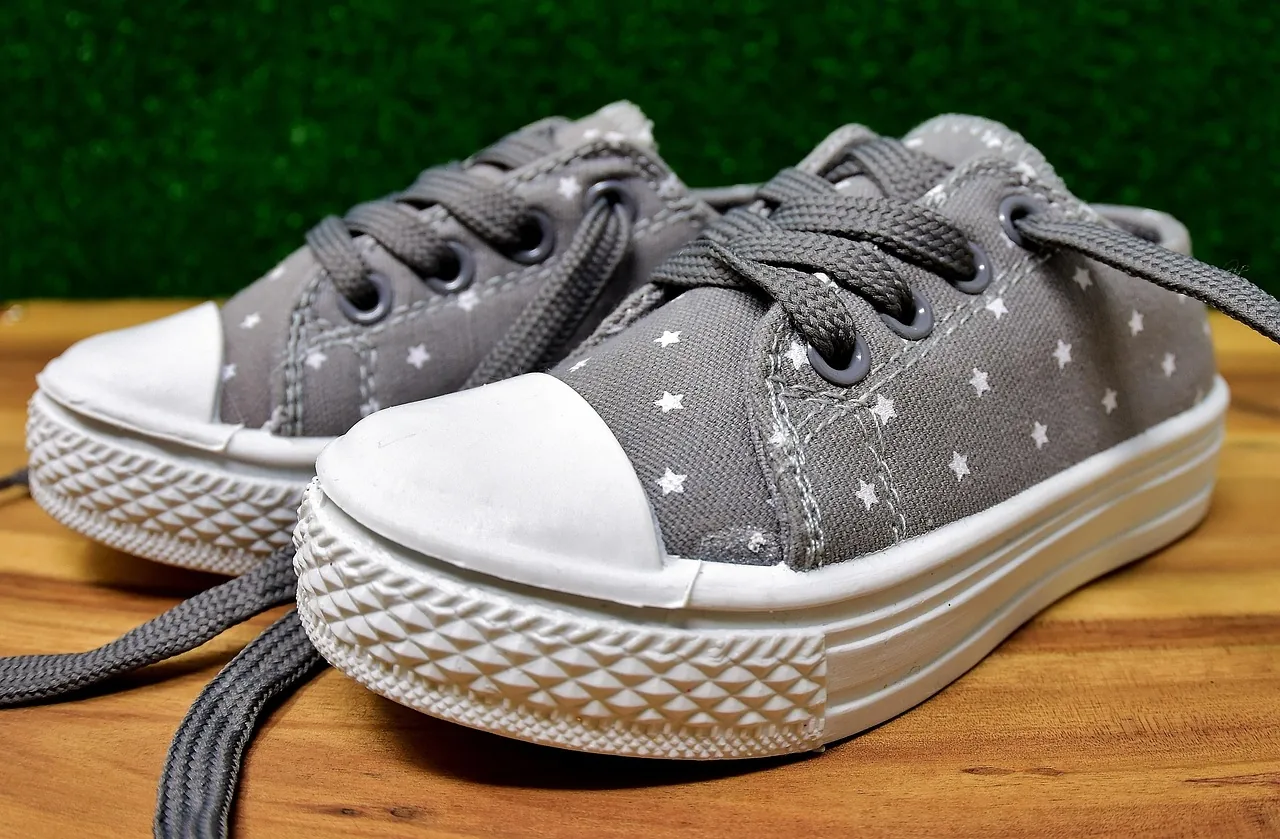
Ultimately, choosing the right dance shoes is essential if you want to get the most out of salsa. Try different brands and styles to find the ideal pair that meets your needs for comfort, safety and style. With the right shoes, you can focus on your movements and enjoy every moment of your salsa dancing.
Conclusion
In short, choosing the right shoes for salsa dancing is crucial to having an enjoyable, pain-free experience. By keeping the different salsa styles and their specific footwear requirements in mind, you can find the ideal pair for your needs. Choose comfortable shoes with flexible soles suited to the dance surface, stable heels and flexible uppers that allow a good range of motion.
If you are looking for a high-quality brand of salsa shoes, remember to consider options such as Yami Dance Shoes, Capezio and Very Fine Shoes. Take other dancers’ reviews and recommendations into account to find the perfect pair of shoes for you.
Ultimately, by taking the time to choose the right shoes, you can improve your salsa experience and focus on what matters most: the dancing itself.