
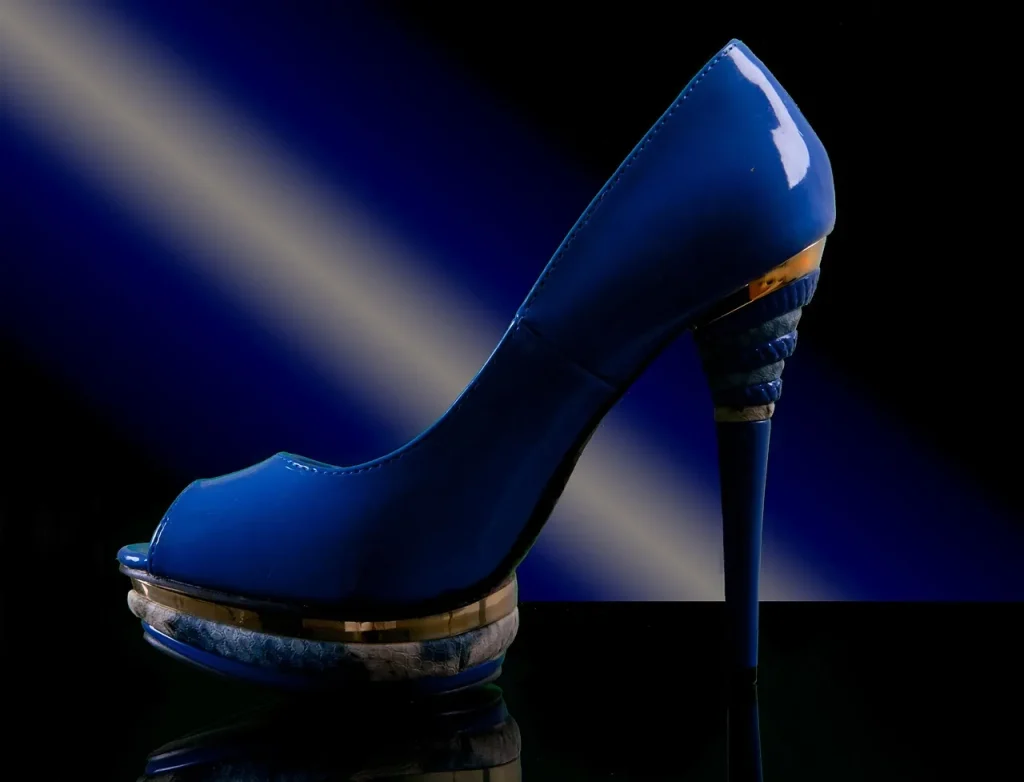
Bachata is a sensual and dynamic dance that requires good stability and excellent support. To make the most of every movement, it is essential to wear suitable dance shoes. A poor choice can cause pain, blisters, or even more serious injuries.
Comfort and style should go hand in hand. Specialist brands such as Label Latin and Nueva Epoca offer styles designed to meet dancers’ needs. The heel, sole, and support are key criteria that should not be overlooked.
Whether you are a beginner or an expert, this guide will help you find the ideal pair for your body shape and level. The goal? To dance with ease and elegance without compromising performance.
Introduction to bachata and the importance of suitable shoes
Originating in the Dominican Republic, bachata has conquered the world with its sensual steps. Once a simple Latin dance, it now incorporates complex turns and dynamic footwork. Its evolution demands greater technical mastery.
The connection between partners is crucial, especially in the closed position. Poor balance or unsuitable shoes can disrupt this harmony. According to experts, 80% of injuries occur because of insufficient ankle support.
Fiona, an instructor at Studio K Nice, emphasizes:
“Specialized shoes improve posture and reduce the risk of injury.”
A biomechanical analysis confirms that weight is distributed more effectively over the forefoot when wearing heels designed for dancing.
Street shoes, with their rubber soles, provide less suitable traction than the suede soles of dance shoes. This difference directly affects the fluidity of movement.
A practical case study shows that Oobashoo shoes with Cuban heels reduce sprains by 40%. Ideal for dance classes, they combine safety and elegance, two essential qualities for this demanding Latin dance.
How to choose the right size for your bachata shoes
The right size is essential for dancing with ease. Shoes that are too tight or too loose can restrict movement and cause pain. Here is how to find the perfect size.
Stick to your usual shoe size
Start by checking your usual size. Some brands, such as Label Latin, closely follow street-shoe sizing. Others require an adjustment.
A finger’s width of space at the heel ensures an optimal fit. Avoid shoes that are too small to reduce the risk of hallux valgus.

Brand size-conversion charts
Brands use different sizing systems. Here is a comparison to help you:
| Brand | UK size | EU size |
|---|---|---|
| Nueva Epoca | 6 | 40 |
| Oobashoo | 5.5 | 38 |
| Label Latin | 7 | 41 |
Advice for wide or narrow feet
For wide feet, choose styles such as those from Paoul, with a wider opening at the front. Flexible soles provide greater comfort.
If you have narrow feet, technical socks can fill the extra space when trying shoes on. This prevents slipping while dancing.
Heel height and shape: from beginner to advanced dancer
Your choice of heel directly affects your dance performance. For optimal stability, it must suit your level and body shape. Here is how to find the perfect balance between comfort and appearance.
Heels for beginners (5 cm to 7.5 cm)
Beginners should favor heels measuring 5 to 7.5 cm. A 7 cm Cuban heel, like the one in Label Latin’s Sensual Move collection, provides a broad support area (4 cm²).
Elisa, an instructor at Studio K, confirms:
“Start with low heels to master the basics without risking injury.”
Intermediate heels (6 cm to 8 cm)
After six months of practice, move on to heels measuring 6 to 8 cm. Nueva Epoca’s 8.5 cm spool-heel style includes a cushioned sole. It is ideal for complex movements.
High heels (8 cm and above)
Reserved for advanced dancers, these heels require strong ankles. Be careful: heels higher than 9 cm can cause lower-back pain. See our heel guide for advanced advice.
Heel shapes: Cuban, spool, and stiletto
Each shape affects your balance:
| Type | Support area | Recommended level |
|---|---|---|
| Cuban | 4 cm² | Beginner |
| Spool | 3 cm² | Intermediate |
| Stiletto | 0.8 cm² | Advanced (2 years or more) |
92% of instructors advise against stilettos before two years of practice. Choose flared heels for smooth progression.
Materials and comfort: prioritize flexibility and breathability
Breathability and flexibility are essential for dancing for hours. The chosen materials directly affect your comfort and performance. A poor choice can cause chafing or overheated feet.

Soft leather or suede
Full-grain leather is 37% more breathable than synthetic materials. One test found that after three hours of dancing, moisture remained at 15%, compared with 43% for imitations. Beware of fake leather: check for its characteristic crease to avoid counterfeits.
Suede, meanwhile, provides ideal elasticity for expansive movements. Use a waterproofing spray such as Tana to extend its lifespan.
Soles suited to dancing
Suede soles reduce the slip coefficient to 0.4 (compared with 1.2 for rubber). Nueva Epoca incorporates technologies such as Aircushion® for optimal cushioning. They are perfect for fast sequences.
Ankle support
A three-point lacing system, like the one used on Oobashoo styles, stabilizes the ankle without compression. One study shows a 60% reduction in tendinitis with this system. Choose high-cut styles for intensive practice.
“Proper support prevents injuries and improves the precision of each step.”
Style and design: combining appearance and functionality
Combining appearance and functionality is essential for an optimal dancing experience. The design influences not only your look but also your ease during complex movements.
Versatile or bold colors
68% of dancers choose black for their first pair. This choice is explained by its versatility and timeless elegance.
2024 trends include metallic shades such as plum and nude. The most popular colors are:
- Metallic plum
- Blush nude
- Deep burgundy

Openings and designs for different foot shapes
Open “Latin sandal” styles are not recommended for narrow feet. They provide insufficient support. Choose closed designs that follow the three-finger rule: optimal spacing for the toes.
For wide feet, brands such as Paoul offer adjustable panels. This prevents chafing while preserving style.
Dance shoes or street shoes
Street shoes weigh an average of 450 g, compared with 280 g for a similar dance style. This difference affects endurance during long sessions.
Some brands, such as Paco Herrero, create hybrid styles with the Street2Dance collection. They combine a suede sole with an urban design.
“Personalize your shoes with removable rhinestones to adapt your look to every evening.”
Conclusion: find the ideal pair and enjoy dancing
The right choice of dance accessories transforms every step into a moment of enjoyment. Remember these essential criteria: a close fit, breathable material, and a heel suited to your level.
Discover the latest 2024 styles, such as the eco-friendly model made from pineapple leather. It is perfect for environmentally conscious dancers.
Avoid these common mistakes:
- Buying a size that is too tight
- Neglecting ankle support
- Choosing a heel unsuited to your level
Enjoy a free trial class at Studio K Nice to test your future pairs. As Clara’s testimonial shows, six months of practice with the right advice makes all the difference.
What matters most? Feeling comfortable enough to unleash all your energy on the dance floor. Your unique style deserves the best equipment.