
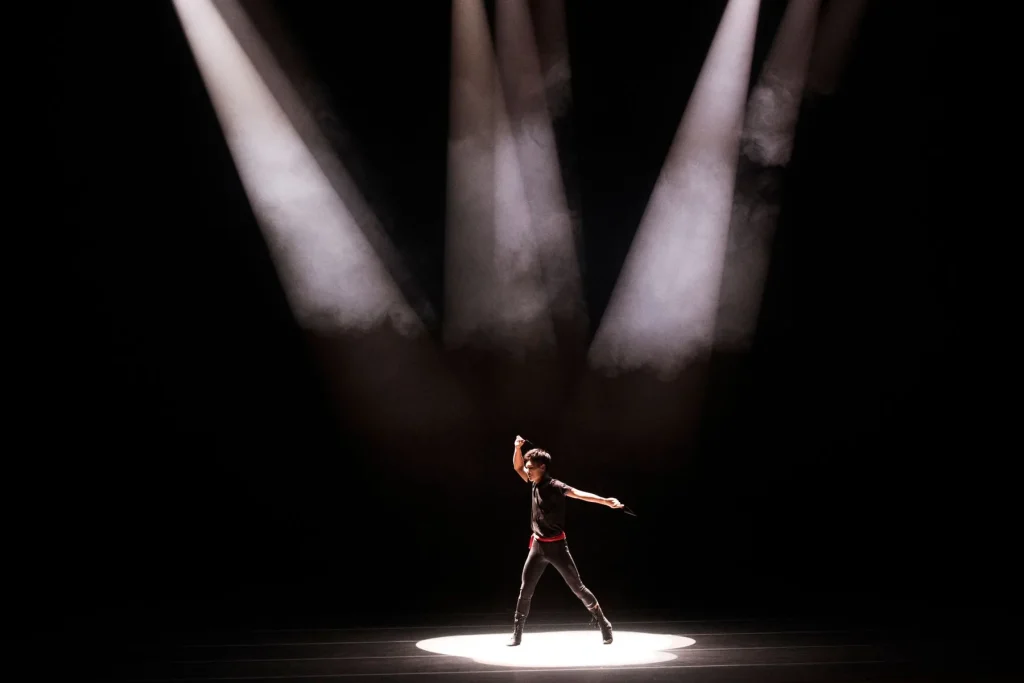
Dance is constantly evolving, and bachata fusion is proof of that. This modern style blends Dominican, sensual, and contemporary influences. It is attracting more and more people in Europe, particularly in cities such as Strasbourg.
Adaptable and rhythmic, this discipline is perfectly suited to European remixes. Artists such as DJ Tronky and DJ Alejandro have made it their specialty. Today, nearly 80% of classes in France include it in their programs.
This guide will help you understand its techniques and improve your musical interpretation. Whether you are a beginner or an experienced dancer, discover how to master this fast-growing movement.
Introduction to bachata fusion
This hybrid concept has taken dance floors by storm thanks to its unique rhythm and reworked melodies. Inspired by Dominican styles, it incorporates electronic or pop sounds for a distinctly modern result.
European schools have widely adopted this movement since 2010. Songs such as the remix of Aventura’s “Obsession” perfectly illustrate this trend.
In France, enrollment in group classes is soaring: up 150% since 2018. Here is what a typical playlist contains:
- 30% traditional Dominican rhythms
- 40% sensual variations
- 30% contemporary adaptations
In Strasbourg, instructors emphasize its accessibility. “This dance offers a rare degree of creative freedom,” one of them explains during a class.
Compared with the evolution of Cuban salsa, fusion bachata stands out for its bold blend. It appeals to purists and beginners alike.
The origins and evolution of bachata
Let us delve into the fascinating history of this vibrant music. Born in working-class neighborhoods, it has won over the world through its authenticity and captivating rhythms.

Its birth in the Dominican Republic
Dominican bachata emerged in the 1960s. At the time, musicians used simple but expressive instruments:
- The lead guitar for melodies
- The güira for its metallic rhythm
- The bongo for percussion
Curiously, this music was initially rejected by the ruling classes. It was considered too working-class. Yet its authenticity eventually won over every audience.
The influence of other Latin dances
Over time, this style was enriched by outside influences. Merengue and bolero played a particularly important role in its evolution. Today, there are no fewer than five different hybrid rhythms.
Juan Luis Guerra played a key role in this transformation. His album “Bachata Rosa” marked a turning point in the 1990s.
Global expansion and wider accessibility
International popularity soared with songs such as Aventura’s “Obsession” in 2002. Today, bachata is danced in 75 countries.
Events such as the Bachata Stars Festival contribute to its popularity. To learn more about this rich history, see this resource.
In 2019, UNESCO even added Dominican bachata to its Intangible Cultural Heritage list. It was well-deserved recognition for this unique artistic expression.
The characteristics of bachata fusion
This captivating discipline stands out for its harmony between tradition and modernity. It combines technical and artistic elements to create an immersive experience.
A blend of Dominican, sensual, and modern styles
The bold blend of Dominican roots and contemporary influences defines its identity. Classes often incorporate pop remixes to attract a diverse audience.
Here is the typical breakdown of a routine:
| Element | Percentage | Description |
|---|---|---|
| Footwork | 30% | Speed and precision |
| Connection | 50% | Leading and rapport |
| Figures | 20% | Creative variations |
A variety of movements and rhythms
Variety lies at the heart of this dance. Songs such as Romeo Santos’s Eres Mía illustrate the rhythmic breaks dancers need to master.
The movements follow an eight-count structure, with steps such as: 1, 2, 3 (touch), 5, 6, 7 (touch). Hip movement remains essential.
The importance of musical interpretation
It is crucial to adapt your style to different artists. For example, DJ Khalid calls for energetic hip transfers, whereas Grupo Extra favors fluidity.
A 2023 champion notes:
“Transitions between styles must feel natural. Body isolation is the key.”
To explore other dance styles, read our complete guide.
How to dance bachata fusion: basic techniques
The foundations of this discipline rest on three essential pillars: posture, rhythm, and coordination. A structured approach helps you progress quickly while avoiding common mistakes.

Body and hip position
Correct positioning begins with your feet shoulder-width apart. Your weight should be distributed evenly to make transfers easier.
The hips play a central role:
- Natural mobility without exaggeration
- A figure-eight movement during side steps
- Isolation from the shoulders (recommended exercise: alternating circles)
Basic steps and counting
The 1-2-3-touch/5-6-7-touch rhythmic pattern provides the structure for learning. Here are the common mistakes to avoid:
| Mistake | Solution | Frequency |
|---|---|---|
| Touching down too heavily | A light touch | 42% of beginners |
| Forward/backward imbalance | Center the pelvis | 31% |
| Rushing the rhythm | Count aloud | 27% |
Arm movements and turns
Arm movements require fluidity and control. During turns, maintaining a vertical axis prevents 70% of balance problems.
The ideal warm-up routine includes:
- Joint rotations (5 min)
- Dynamic stretching (7 min)
- Slow repetition of figures (3 min)
“The connection between partners matters more than the complexity of the figures. Clear leading is worth more than ten spectacular turns.”
Styles related to bachata fusion
The richness of this discipline lies in its diversity. Several variations exist, each with its own technical and artistic features. In France, 60% of classes combine at least three different styles to provide a complete experience.

Dominican bachata: speed and footwork
This traditional version is recognizable by its fast tempo (120 BPM). Its movements emphasize:
- Fast, precise steps
- Complex turns
- Firm yet fluid leading
Champions such as Leonardo Rey excel at this dynamic approach. Their performances demonstrate exceptional mastery of rhythm.
Sensual bachata: fluidity and connection
With a slower tempo (98 BPM), this style prioritizes bodily expression. Its key elements include:
- Harmonious body waves
- Constant closeness between partners
- Smooth transitions between figures
Korke & Judith revolutionized this approach with their unique musical interpretation. Their onstage connection has become legendary.
Modern bachata: simplicity and figures
This recent variation appeals to dancers because of its accessibility. It combines:
- Simplified basic steps
- Visually striking sequences
- Freedom of interpretation
The evolution of competitions since 2015 shows this format’s growing popularity. Some movements are even inspired by kizomba, creating surprising hybrids.
To choose your approach, try different classes. Shoes with pivot-friendly soles make it easier to switch between styles. As one Strasbourg DJ confirms:
“Today’s Latin dance nights demand rare versatility. Dancers need to master several techniques.”
Tips for progressing in bachata fusion
Improving your level requires a methodical and consistent approach. Here are proven strategies for progressing quickly in this discipline.

Listen regularly to suitable music
Musical immersion is essential. Effective practice starts with:
- At least 3 hours of listening per week
- A progressive playlist (from beginner to expert)
- Analysis of rhythmic breaks
The four-step method:
- Identify the song’s structure
- Recognize musical accents
- Anticipate tempo changes
- Adapt your interpretation
Develop body isolation
This technical work allows for more precise movements. An eight-week program produces visible results:
| Week | Exercise | Duration |
|---|---|---|
| 1-2 | Hip circles | 10 min/day |
| 3-4 | Torso/pelvis isolation | 15 min/day |
| 5-8 | Complex combinations | 20 min/day |
“Kinesthetic memorization changes everything. Visualize each movement before performing it.”
Dance with different partners
Working with different partners enriches your experience. It allows you to:
- Adapt your leading
- Learn new styles
- Improve your connection
Intensive workshops such as the Bachata Fever Festival accelerate progress. They provide opportunities to meet international dancers.
Conclusion
This dynamic dance offers much more than simple entertainment. It improves coordination, strengthens social connections, and builds self-confidence. The benefits become apparent within the first few weeks of practice.
Trends for 2025 point to an expansion of hybrid styles, with urban and electronic influences. Specialized workshops are appearing throughout France and are suitable for every level.
Marc, a former engineer, explains: “After 6 months of classes, I found the courage to change careers and become an instructor. This passion transformed my life.”
Ready to give it a try? Take advantage of a free trial class to discover this constantly evolving discipline. The adventure begins on the dance floor!