
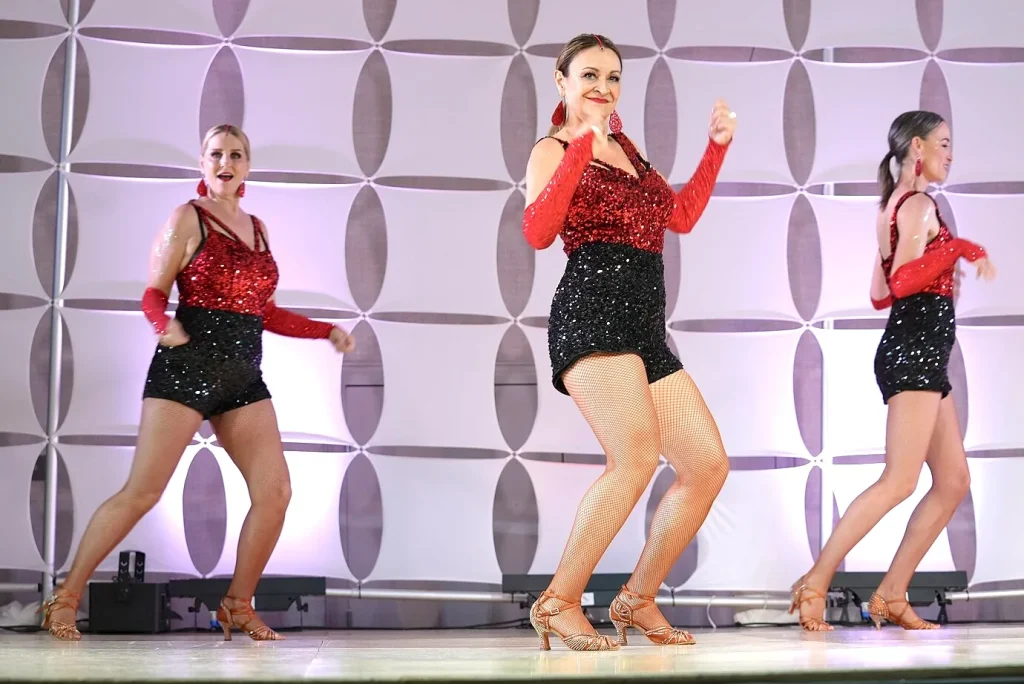
Latin dances are becoming increasingly popular in France. Among them, two styles stand out for their unique energy: salsa and bachata. These rhythms from Latin America captivate lovers of movement and passion.
The first is known for its lively, festive energy. Its quick steps and technical figures require a certain level of skill. The second, which is more recent, focuses on sensuality and the connection between partners. Its accessibility explains its growing popularity.
In recent years, bachata has been gaining ground in classes and at social events. As shown by this analysis, it appeals to a diverse audience thanks to its intuitive approach. Nevertheless, salsa still has its devoted followers.
This article explores their distinctive features to help you choose between them—or simply understand them better. History, technique, atmosphere: discover what makes each one unique.
1. Origins and cultural contexts
Behind every dance step lies a rich culture and deep-rooted traditions. Although salsa and bachata are both classified as Latin dances, they have distinct roots that shape their identities.
Salsa: between Cuba and Puerto Rico
Born in the 1950s, Cuban salsa draws its influences from Cuban son and African American jazz. Puerto Rico also played a key role through its diaspora, which popularized a more linear style that contrasts with the circular movements of the Cuban version.
Artists such as Celia Cruz carried this music far beyond the Caribbean. The tumbadoras, its iconic instruments, reflect its rhythmic heritage.
Bachata: the heritage of the Dominican Republic
Emerging in the 1960s in the Dominican Republic, bachata was originally associated with working-class communities. Its rise to international recognition was shaped by figures such as Juan Luis Guerra.
Today, groups such as Aventura have modernized its style, particularly by incorporating electric guitars. The connection between partners within the couple is more intimate, reflecting its original sensuality.
“Bachata is the soul of our neighborhoods set to music.”
Once local traditions, these dances have captivated the entire world through their ability to combine tradition and modernity.
2. Rhythms and music: two distinct worlds
The musical world of Latin dance reveals striking contrasts. Although they share common roots, salsa and bachata offer radically different listening experiences. Their rhythmic structures and key instruments reflect this diversity.
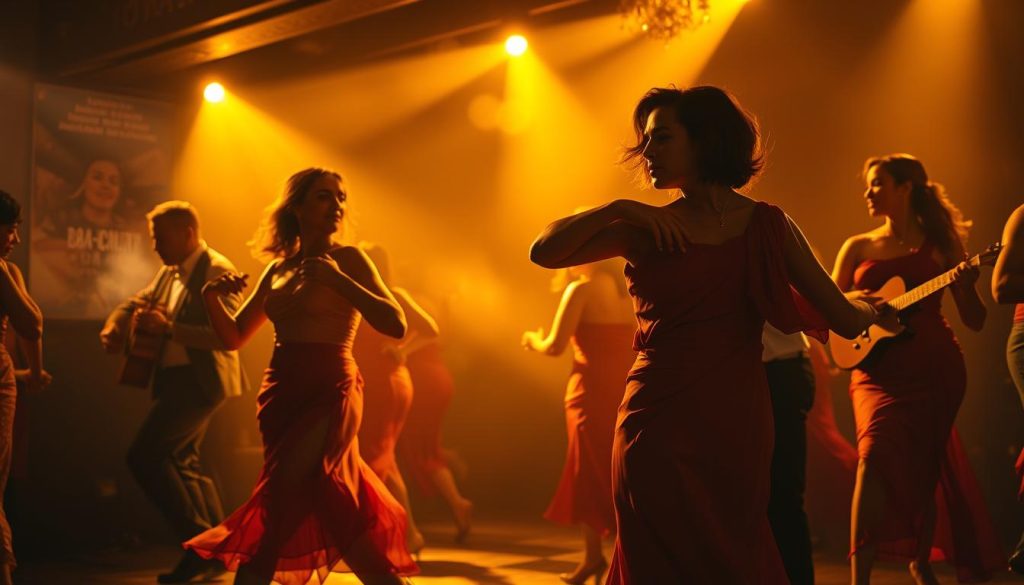
Salsa and its energetic tempos
Salsa is distinguished by an 8-count structure, with strong accents on counts 1, 4, 5, and 8. Its high BPM (150 to 250) makes it a dynamic dance that is ideal for lively evenings.
Prominent percussion instruments such as congas add an explosive dimension. The songs often tell epic stories, as in the classic “Oye Como Va”.
Bachata and its sensual melodies
Slower bachata (108 to 144 BPM) is based on a 4-count measure. Its bongos and guitars create an intimate atmosphere that is perfect for couples.
Its lyrics explore love and emotion, as in “Propuesta Indecente”. Pop remixes such as “Déjà Vu” have broadened its audience in Europe.
- Percussion: congas (salsa) versus bongos (bachata).
- Vocals: epic narratives versus intimate lyrics.
- Adaptability: bachata fusion appeals to beginners, while salsa romántica attracts purists.
These differences explain why bachata is often more accessible to new dancers. Its slow rhythm makes it easier to learn, unlike salsa’s technical complexity.
3. Dance styles and techniques
Technique and style define the very essence of each Latin dance. Although they share common roots, salsa and bachata differ in their approach to body movement and partner interaction.
Salsa’s characteristic movements
Cuban salsa is recognizable by its complex arm movements and partner changes in the rueda de casino. Its fast turns require excellent coordination, particularly during circular figures.
In Puerto Rican salsa, movement is more linear. The dancers move along parallel lines, using cross-body steps and precise pivots. Preparing for turns is crucial to avoid dizziness.
Fluidity and connection in bachata
Modern bachata emphasizes hip waves and elaborate legwork, or footwork. Unlike salsa, the connection between partners is continuous and almost seamless.
The couple moves sensually, often in a closed position. Variations such as sensual bachata even incorporate elements of hip-hop, expanding its movement vocabulary.
Cuban salsa or Puerto Rican salsa
The basic pattern of Cuban salsa is circular, making it ideal for lively evenings. Dancers often wear flat heels to make rotations easier.
The more structured Puerto Rican salsa favors straight lines. High-heeled shoes are suitable for bachata, where balance is less difficult to maintain.
4. Accessibility and popularity: which should you choose?
Choosing between these two Latin dances often depends on your goals and experience. Each offers distinct advantages in terms of learning and atmosphere.
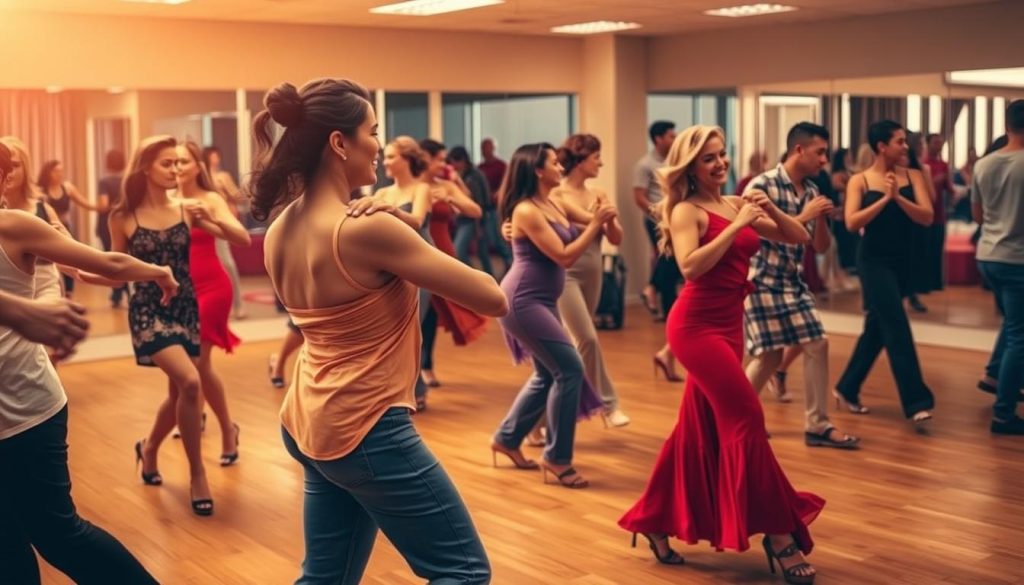
Bachata, ideal for beginners
With its slow rhythm and simple steps, bachata is often recommended for new dancers. On average, three months is enough to master the basics, compared with six months for salsa.
Classes mainly attract people aged 25 to 35 who are drawn to its sensual, modern character. Its success on TikTok has further increased its popularity, especially in its urban form.
Salsa, a rewarding technical challenge
Puerto Rican salsa requires more practice but brings great satisfaction once mastered. Its complex figures and fast tempo make it a demanding discipline.
Beginners can start with specialized classes to make effective progress. This dance remains the queen of professional competitions.
Current trends in France
Since 2018, 70% of schools have reported an increase in bachata enrollment. Nevertheless, salsa retains a loyal following, particularly among people aged 40 to 50.
- Cost: classes are 15% less expensive outside Paris than in the capital.
- Events: Bachatando in Paris and the Salsa Congress in Nice attract thousands of enthusiasts.
- Social media: bachata tutorials dominate dance trends on Instagram.
Whether you are looking for a more accessible dance or a genuine challenge, both styles offer unique experiences. It all depends on your level and what you want!
Conclusion
The world of Latin dance is divided between energy and sensuality. Salsa, regarded as more technical, appeals through its dynamism. Bachata, with its connection between partners, offers an intuitive approach.
For beginners, bachata is often the most accessible dance. Those who enjoy a challenge may prefer salsa. Try introductory classes to discover your style!
Current trends blend these influences, as in bachata fusion. Personally, I love salsa for its history and bachata for its social side. The choice is yours!