
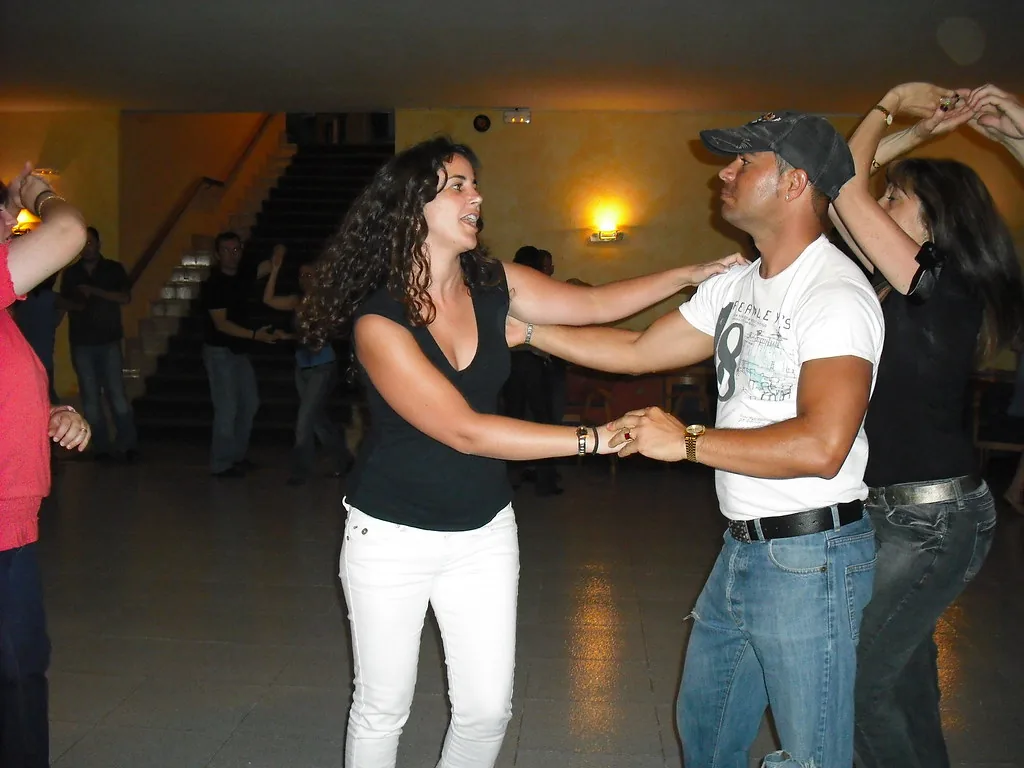
Salsa is a musical genre and dance that have taken the world by storm. But do you know which country salsa comes from? Salsa’s origins date back several centuries and are closely linked to the history of Latin America. This exciting and expressive dance arose from the meeting of several cultures and musical traditions. In this article, we will explore the origins of salsa and its evolution over the decades. We will also discover the countries that contributed to its creation and the different cultural influences that shaped this unique musical genre.
The origins of salsa
Salsa is a dynamic and captivating form of music and dance rooted in a blend of cultures and traditions. The origins of salsa are a subject of debate among music historians, but they can be traced to Latin America around the late 1800s and early 1900s.
Salsa has its roots in several different musical genres, including African, Cuban, and Caribbean music, as well as jazz, son, and mambo. Enslaved Africans brought their rhythms and musical traditions to the Spanish colonies of Latin America, where these rhythms blended with local Spanish music to produce new musical styles.
Cuba’s role
Cuba played a crucial role in the development of salsa. The roots of Cuban salsa date back to the 1920s, when son was created. Son combined African rhythms with Spanish music to create a distinctive new sound. It subsequently evolved into mambo, which became popular in the 1940s and 1950s.
Mambo was influenced by jazz and gave rise to Cuban salsa in the 1960s. Cuban salsa is characterized by complex dance steps and syncopated rhythms. It is often regarded as the benchmark for salsa.
A blend of cultures
Salsa is a blend of cultures and musical styles that developed over the years through the influence of numerous musicians and dancers. Salsa styles such as Colombian salsa, Puerto Rican salsa, and New York-style salsa each have their own distinctive sound and dance style.
Salsa was also influenced by other musical genres such as rumba, cha-cha, and boogaloo. All these genres helped create the dynamic, captivating salsa sound we know today.
“Salsa is a blend of cultures and musical styles that developed over the years through the influence of many different musicians and dancers.”
Cuban salsa: an essential benchmark
Cuban salsa is unquestionably one of the major influences on salsa music. Cuba, with its rich and eventful history, saw a wide variety of musical genres emerge, including salsa. Cuban music in particular had a significant influence on the creation of salsa, contributing distinctive elements and a unique rhythm that were incorporated into both the music and the dance.
Cuban salsa was born in Havana in the 1950s. At the time, local musicians began blending traditional Cuban rhythms such as son, mambo, and cha-cha-cha with elements of jazz, blues, and rock. The result was a new form of music that quickly became popular throughout Latin America and around the world.
The salsa dance styles that emerged in Cuba also became an essential part of salsa music. Cuban salsa dancing encompasses several styles, including casino, rueda de casino, and son, each with its own history and culture. Cuban salsa dancing is known for its energy, fluid style, and complex movements, which combine with the music to create a true sensory experience.
Cuban salsa continues to influence salsa music and dance today. Cuban artists remain highly respected in the salsa world, while the distinctive, spellbinding energy of Cuban salsa dancing continues to inspire new styles and genres. Ultimately, Cuban salsa played a crucial role in the creation and development of salsa music, and it remains an essential benchmark for every salsa enthusiast.
Salsa rhythm: a captivating blend
Salsa is incredibly rhythmic music based on a blend of different musical genres. It draws influences from African, European, and Caribbean music, making it a truly unique musical style.
Salsa rhythm is characterized by a powerful rhythm section, generally played on percussion instruments such as congas, timbales, and bongos. Brass instruments and keyboards often round out the sound with complex harmonic arrangements.
Salsa rhythm is generally built around a clave pattern, a series of percussion beats that define the music’s rhythm. The clave pattern is often played on a bell or on claves, which are small wooden sticks.
In addition to its musical rhythm, salsa is also characterized by a number of different dance styles. These dance styles are closely connected to the rhythm of the music, with the movements often reflecting salsa’s distinctive rhythms.
The different salsa styles
There are many styles of salsa dancing, each with its own characteristics and distinctive movements. The most popular salsa styles include Cuban salsa, Puerto Rican salsa, and Colombian salsa.
| Salsa style | Origin | Characteristics |
|---|---|---|
| Cuban salsa | Cuba | Characterized by circular movements and partner turns. |
| Puerto Rican salsa | Puerto Rico | Distinguished by a much more linear dance style than Cuban salsa. |
| Colombian salsa | Colombia | Characterized by more complex foot and leg movements. |
Each of these dance styles has its own rules and techniques, but they all share a love of the rhythm and energy of salsa music.
The evolution of salsa over the decades
Since its beginnings, salsa has continually evolved and transformed, incorporating new musical and cultural influences over time. Nevertheless, certain key moments have marked salsa’s development as a unique and popular musical genre.
The 1970s: the salsa boom
During the 1970s, salsa experienced an explosion in popularity in the United States, particularly in New York and Miami. This was largely due to the immigration of numerous Latin American artists to these cities, bringing their music and dance with them. Salsa became a genuine cultural phenomenon, with salsa concerts, clubs, and festivals held throughout the city.
It was during this period that salsa began moving away from its Cuban roots to incorporate musical influences from Puerto Rico, the Dominican Republic, and other Latin American countries. Salsa also began reaching new audiences, with artists such as Celia Cruz becoming international stars and salsa albums selling around the world.
The 1980s and 1990s: romantic salsa and modern salsa
During the 1980s, salsa underwent another transformation with the emergence of romantic salsa. This salsa subgenre emphasized love lyrics and tender ballads. Artists such as Marc Anthony and Gilberto Santa Rosa dominated the romantic salsa scene, attracting a new audience and broadening salsa’s appeal.
In the 1990s, salsa continued to evolve with the emergence of modern salsa. This style incorporated elements of hip-hop and electronic music into traditional salsa, creating a more contemporary, urban sound. Artists such as El Gran Combo and Jerry Rivera popularized this salsa style, which became very popular among young people.
Today: salsa continues to thrive
Today, salsa remains a popular musical genre around the world. Although romantic salsa and modern salsa have passed their peak, traditional salsa remains an essential part of Latin music. New talents continue to emerge worldwide, with artists from Cuba, Puerto Rico, and other Latin American countries contributing to salsa’s diversity and richness.
Salsa also continues to play an important role in dance, with classes offered at dance studios around the world. Salsa remains popular with professional and amateur dancers alike, with competitions and festivals held every year.
Salsa dancing: a vibrant expression of the music
Salsa dancing is an essential component of this lively, vibrant music. It emerged in New York’s Latin clubs in the 1960s, although its roots lie in Cuban culture. Salsa dancing is a blend of different dance styles and movements, but it is defined above all by its passion and infectious energy.
Salsa is generally danced with a partner, although it can also be performed in a group. The basic steps are relatively simple, but they can be combined in different ways to create more complex and dynamic movements. Salsa dancers are often encouraged to improvise and bring their own style and personal flair to the dance.
Salsa is a highly expressive dance that allows dancers to communicate intense emotions through their bodies. Salsa movements are fluid and rhythmic, creating a true symbiosis between the music and the dance. Salsa dancing is also highly physical and can provide excellent cardiovascular exercise.
Because of its Cuban origins, salsa dancing was strongly influenced by rumba and son. Rumba is a traditional Cuban dance characterized by hip movements and a strong emphasis on emotional expression. Son is another Cuban dance that was a key element in salsa’s evolution.
Salsa is danced around the world and has become an important part of Latin culture. It is often associated with parties and celebrations, but it is also taught in dance schools. Whether in clubs or on stage, salsa dancing is a vibrant expression of the music that allows dancers and audiences alike to fully experience salsa’s passion and rhythm.

Conclusion
In summary, salsa is a musical genre and dance with deep roots and a fascinating history. By exploring salsa’s origins, we have discovered how it evolved over time and how various cultural influences shaped it. We have also highlighted the important role Cuba played in salsa’s development, as well as the importance of dance as an expression of the music.
Salsa remains an extremely popular musical genre and dance around the world today. By understanding its history and cultural context, we can better appreciate its richness and artistic value. Whether you love music or dance, salsa offers a captivating, dynamic experience that is sure to win you over.