
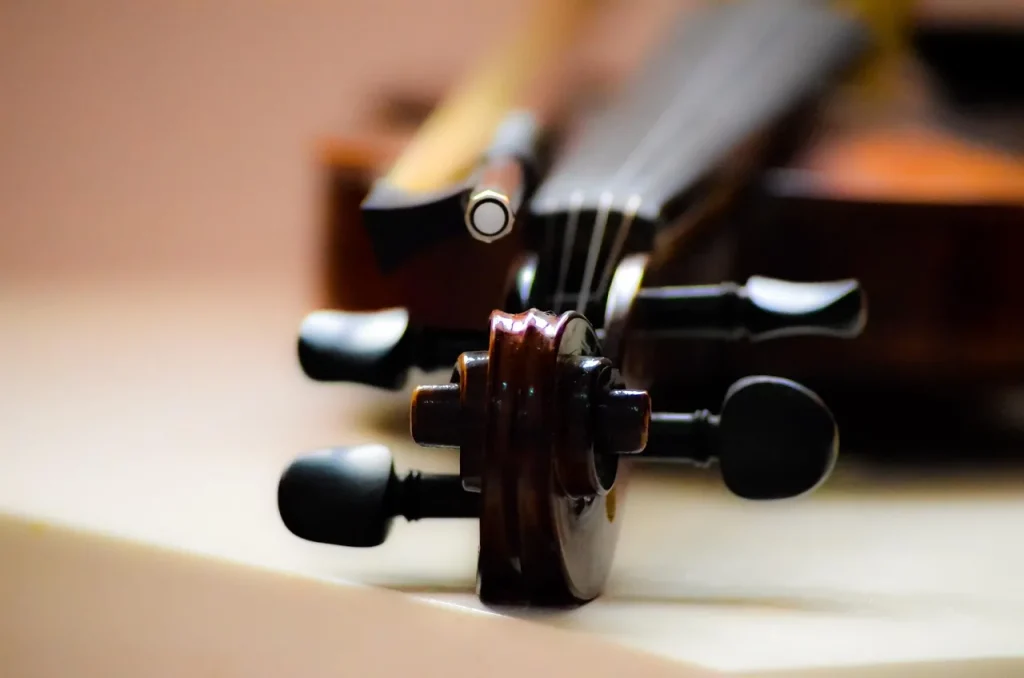
Cuban music lies at the heart of the island’s identity and history. It results from the blending of Indigenous music with music from Europe, Africa, Asia and the Americas. This fusion created a unique national identity, symbolized by music.
Before the colonists arrived, the Guanahatabey, Ciboney and Taíno peoples played maracas and the güiro. The Spanish conquistadors killed the Indigenous people and brought the first enslaved Africans to the island. They brought their traditions with them, particularly singing and dance.
This encounter between African and European traditions gave rise to Cuban music. It combines Spanish romances, French and Italian melodies, quadrilles, tango, flamenco, African music and Indigenous music.
The Origins of Cuban Music
Cuban music emerged in the early twentieth century. It developed with the Cuban contradanza and the danzón. These styles gave rise to son, the first form of Cuban music.
Cultural Blending
Cuban music is a blend of music from many different places. It combines Spanish, French, Italian and African influences. The percussion and polyphonic traditions come from Africa and the Americas.
The earliest percussion instruments were maracas and the güiro. Indigenous people used them before the colonists arrived. The conquistadors killed the Taíno people and other Indigenous peoples.
The first enslaved Africans arrived from West Africa. They worked on sugarcane plantations. Their encounter with Europeans created Cuban music.
“Cuban music continues to develop and evolve, blending different styles such as guaracha–son, bolero–son, guaguancó-son, bolero-blues, son-afro, cha-flamenco, samba-cha, swing-cha, and more.”
The Expression of a National Identity
Cuban music is more than a musical genre. It represents Cuba’s national identity. The Cuban Revolution, both political and musical, affirmed this unique identity.
“Son” became the symbol of this identity. It blends African, European and American rhythms and sounds. This reflects Cuba’s cultural diversity.
Cuban music evolved through genres such as guaracha and bolero. It creates hybrid styles such as bolero-blues. This demonstrates Cuban music’s innovation and adaptability.
Cuban music is more than entertainment. It is an artistic expression of the national identity of a people proud of their heritage and their revolution.
| Year | Event | Number of spectators |
|---|---|---|
| 1973 | Concert at Yankee Stadium | 20,000 |
“Cuban music is not merely entertainment, but an artistic expression that embodies the national identity of a people proud of their heritage and their revolution.”
Cuban music has spread Cuban culture throughout the world. Salsa, for example, has been adopted by different cultures. This shows Cuban music’s ability to transcend borders.
A Variety of Musical Genres
Cuban music is exceptionally rich and varied. It draws inspiration from Spanish and African traditions. Its genres include bolero, cha-cha-cha, changüí, conga and many others.
Filin, guajira, guaracha, habanera and Afro-Cuban jazz are also present. Other genres include mambo, nueva trova, pachanga and rumba.
Salsa, or son in Cuba, is a blend of jazz and rumba. It incorporates elements of mambo, Puerto Rican bomba and guaracha.
The cha-cha-cha was created in 1954 by Enrique Jorrín. It is a very well-known Cuban rhythm.
| Musical genre | Origin | Characteristics |
|---|---|---|
| Bolero | Late nineteenth century | Probably the best-known Cuban musical genre internationally. It underwent a rhythmic transformation in Cuba in the 1840s with the adoption of a 2/4 time signature. |
| Salsa | 1960s | It emerged in the 1960s, influenced by Cuban music and Caribbean rhythms. It experienced a resurgence in popularity in Cuba during the 1990s. |
| Cha-cha-cha | 1954 | A Cuban rhythm invented by Cuban violinist Enrique Jorrín. |
Cuban bolero has been included on UNESCO’s list since 2023. This demonstrates its cultural importance.
“Bolero marked an important milestone in the universal history of music.”
Cuban rap, rock and jazz are new trends in Cuba. They herald a new era of musical fusion.
Why Is Music Important in Cuba?
A Living Cultural Heritage
Cuban music is essential to Cuba’s identity and history. It results from cultural blending among diverse influences. It played a key role during the first Cuban revolution, giving rise to “son,” the first Cuban musical genre.
Today, Cuban popular music continues to evolve. It blends different genres and influences. This makes it a vital element of Cuba’s living cultural heritage. Styles such as rumba, cha-cha-chá and timba illustrate the richness of Cuban music.
Cuban music is crucial to Cuban identity. It reflects the island’s history. The writer Alejo Carpentier said that Cuban music is a cultural marker. It represents the traditions and dreams of a people proud of their musical heritage.
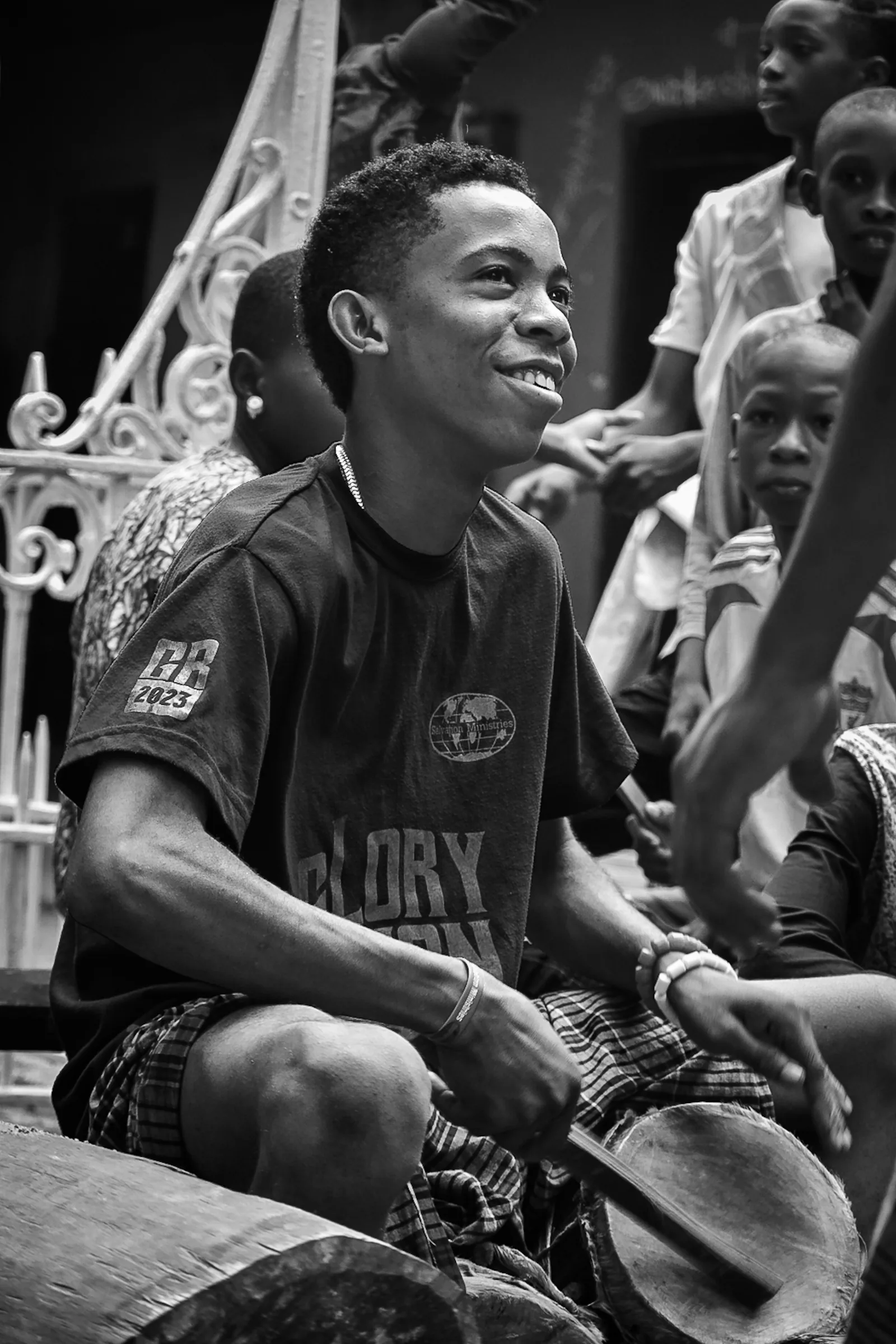
A National Passion
Cuban music is a pillar of Cuban identity. It is everywhere: in the streets, restaurants, bars and homes. It is an essential part of Cuban life.
Cuban musicians play everywhere, from Havana to Baracoa. They give impromptu concerts. Dance also holds a very important place in Cuban culture. All Cubans, young and old, dance with passion.
The Buena Vista Social Club and Celia Cruz introduced Cuban music to the world. A new generation of Cuban musicians is emerging. They blend styles such as rap, reggaeton and funk.
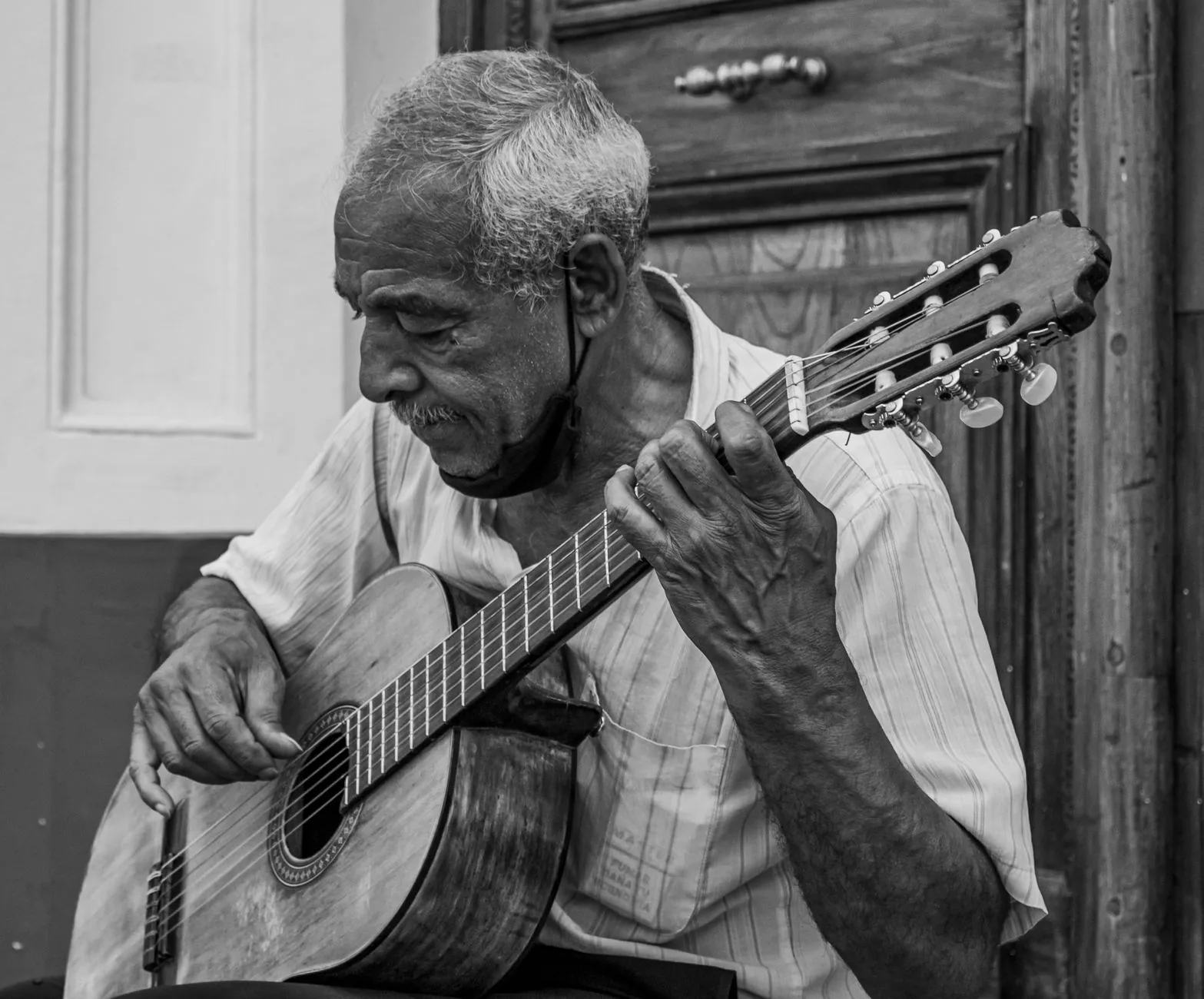
Music is essential to popular culture and Cuban identity. Genres such as son, salsa and cha-cha-cha reflect Cuba’s cultural blending. They are unique artistic expressions.
“Music of the soul,” slow and melancholic
| Musical genre | Characteristics | Iconic artists |
|---|---|---|
| Son | Lively rhythm, blending African and Spanish music | Compay Segundo, Ibrahim Ferrer |
| Bolero | Benny Moré, Olga Guillot | |
| Salsa | Fast rhythm, blending Latin genres | Celia Cruz, Noodles |
| Cha-cha-cha | Syncopated rhythm, very popular dance | Enrique Jorrín, Pérez Prado |
| Mambo | Lively rhythm, blending jazz and Afro-Cuban music | Dámaso Pérez Prado, Tito Puente |
A Global Influence
Cuban music has achieved great international success. It has become one of the world’s most widely exported musical genres. Cuban artists such as Compay Segundo, Ibrahim Ferrer and Celia Cruz brought Cuban music to international audiences. They popularized styles such as salsa, son and bolero.
Cuban music has also influenced many international musical styles. It has left its mark on Afro-Cuban jazz, reggaeton and timba. This global influence demonstrates the richness and impact of Cuban music.
| Origin | Genres | Instruments |
|---|---|---|
| Salsa originated in New York in the 1960s and spread throughout the Spanish-speaking Caribbean. |
|
|
In 1925, Cuban music enjoyed great success in the United States. This led to Cuban artists recording in Bronx studios. Rueda de Casino, a Cuban dance style, became popular in the 1950s. After the 1959 revolution, it became a mass phenomenon.
During the 1970s and 1980s, salsa music flourished, especially in New York clubs. The 1990s saw the emergence of timba in Cuba. This music blends traditional Cuban music with contemporary North American music.
This period also saw the creation of dance clubs in Cuba in response to tourists’ growing interest in Cuban salsa.
Conclusion
Music is very important to Cuban culture. It reflects the island’s history and identity. Through rich cultural blending, it represents the Cuban people’s living cultural heritage. This music is infused with national passion.
Cuban music has a major global impact. It has introduced different Cuban styles throughout the world. This demonstrates their universal appeal. Music is essential in Cuba and symbolizes its national identity.
Rumba and Tumba francesa, among other traditions, are protected by UNESCO. They are extremely precious to humanity. These art forms demonstrate the importance of music in Cuba. They are a source of pride and reinforce Cuban identity.
Cuban music is a pillar of the island’s culture. It reflects Cuba’s richness and diversity. Every musical genre, such as salsa or bolero, reveals the Cuban soul. Music is essential to Cubans’ identity and national pride.
FAQ
Why is music important in Cuba?
What are the origins of Cuban music?
How does Cuban music express national identity?
What are the different genres of Cuban music?
Why is music a living cultural heritage in Cuba?
Why is Cuban music a national passion?
What is the global influence of Cuban music?
Source Links
- https://en.wikipedia.org/wiki/Music_of_Cuba
- https://www.pbs.org/buenavista/
- https://www.dukeupress.edu/cuban-music-from-a-to-z
- https://en.wikipedia.org/wiki/Music_of_Cuba
- https://www.salsagente.com/history-of-salsa-music-dance/
- https://www.dancefacts.net/salsa/history-of-salsa/
- https://www.pbs.org/buenavista/
- https://www.moma.org/artists/
- https://www.dukeupress.edu/cuban-music-from-a-to-z
- https://ich.unesco.org/en/RL/la-tumba-francesa-00052
- https://www.dancefacts.net/salsa/history-of-salsa/
- https://en.wikipedia.org/wiki/Music_of_Cuba
- https://www.dukeupress.edu/cuban-music-from-a-to-z
- https://www.pbs.org/buenavista/
- https://www.lincolncenter.org/home
- https://www.salsagente.com/history-of-salsa-music-dance/
- https://ich.unesco.org/en/RL/la-tumba-francesa-00052
- https://www.moma.org/artists/
- https://ich.unesco.org/en/RL/la-tumba-francesa-00052
- https://www.moma.org/artists/