
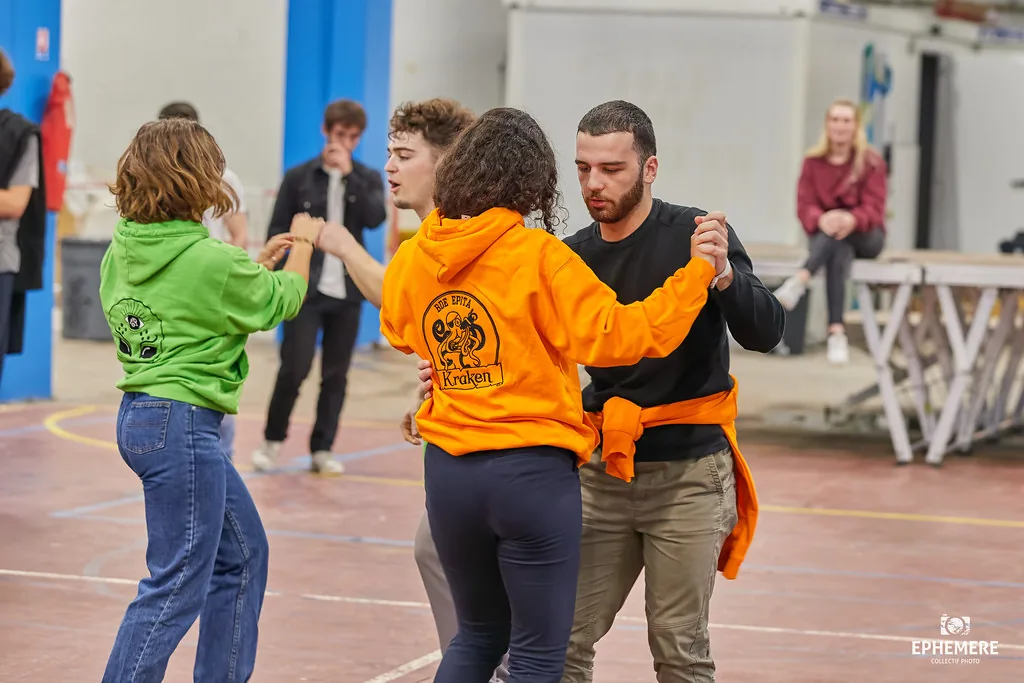
Born in the Dominican Republic in the 1960s, this artistic expression harmoniously combines captivating melodies with refined movements. Recognized by UNESCO in 2019, it now represents a precious cultural heritage.
Originally, the term simply referred to festive gatherings. It gradually evolved into a distinctive musical style characterized by its 4/4 time signature and romantic lyrics.
Artists such as Romeo Santos have contributed to its worldwide popularity, with impressive figures exceeding 150 million monthly streams. This success demonstrates the universality of its emotions.
More than just music, it is a complete experience that unites body and soul. Its sensual steps and infectious rhythms continue to captivate enthusiasts around the world.
Introduction to bachata: much more than a dance
Beyond its movements, bachata embodies a universal emotional connection. This musical genre transcends borders, blending passion with rhythmic simplicity.
In France, 85% of schools now offer classes. The number of dedicated festivals has soared, growing by 200% since 2015.
| Statistic | Value | Impact |
|---|---|---|
| Schools in France | 85% | Greater accessibility |
| Festival growth (Europe) | +200% | International enthusiasm |
“My students find an emotional outlet in this dance. Bachata speaks to the heart before it speaks to the feet.”
With 40% fewer basic steps than salsa, it appeals to beginners. Its influence even stimulates tourism in the Dominican Republic (+30% visitors).
A phenomenon that resonates throughout the world, far beyond the dance floor.
The origins of bachata: popular roots in the Dominican Republic
In the lively streets of Santo Domingo, a new sound emerged in the 1960s. Far from the major studios, this genre forged its identity from humble beginnings.
The 1960s: born in working-class neighborhoods
José Manuel Calderón, a pioneer of the movement, recorded “Borracho de amor” in 1962. The instruments? Cigar boxes repurposed as percussion instruments.
Calle El Conde, the capital’s vibrant thoroughfare, became the epicenter of this creative ferment. The colmados served as improvised stages where workers and artists mingled.
Musical influences: bolero and música de amargue
Bolero contributed its melancholy, while música de amargue inspired the lyrics. The D minor chord structured these intimate compositions.
Marginalization and belated recognition
In 1967, 127 songs were banned by the official media. Regular radio airplay would not come until 1985.
“We played in the shadows, but every note carried the soul of a people.”
Artists such as Juan Luis Guerra subsequently paved the way for worldwide recognition, transforming exclusion into triumph.
The evolution of bachata: from marginalization to international acclaim
Emerging from the shadows into the spotlight, this music won hearts far beyond the Dominican Republic’s borders. Its rise was driven by daring artists and rhythmic innovations.
Juan Luis Guerra’s pivotal role in the 1980s and 1990s
Juan Luis Guerra revolutionized the genre with the album “Bachata Rosa” (1990). Selling five million copies, it marked a turning point.
In 1988, he introduced synthesizers, fusing tradition with modernity. This bold move paved the way for worldwide recognition.

“We broke down barriers by blending sounds. Bachata deserved its place on the world stage.”
The worldwide explosion of Aventura and Romeo Santos
The group Aventura propelled the genre forward with “Obsesión”, which reached one billion views. Its fusion with R&B won over the US market.
Romeo Santos, the group’s former frontman, has won 13 Latin Billboard Awards. His collaboration with Luis Fonsi caused streaming figures to jump by 300%.
- 75% of Dominican music revenue now comes from this style.
- Growth driven by festivals and schools around the world.
The different styles of bachata: a wealth of culture
Today’s bachata landscape offers captivating diversity, with each style telling a unique story through its movements. From exhilarating rhythms to gestures infused with sensuality, this dance never stops evolving.
Dominican bachata: authenticity and footwork
With an average tempo of 120 BPM, Dominican bachata stands out for its rapid steps and intricate footwork. Shoes with soles that allow dancers to pivot are essential for executing turns precisely.
“Dominican bachata requires millimeter precision. Every step must reflect its musical heritage.”
Modern bachata: fusion and creativity
Modern bachata incorporates urban and electronic influences. Artists such as Korke & Judith, world champions from 2019 to 2022, push the boundaries with innovative sequences.
Sensual bachata: connection and emotion
Favored in 60% of competitions, sensual bachata emphasizes a deep connection between partners. Its slower tempo (100 BPM) allows for fluid, expressive movements.
To explore the nuances between these styles, read our detailed guide to their origins and techniques.
Bachata music: instruments and recurring themes
Bachata *music*, carried by distinctive instruments, tells stories of love and passion. Its typical orchestration combines two lead guitars, a requinto, a bass, and its signature percussion instruments: the güira and bongo.
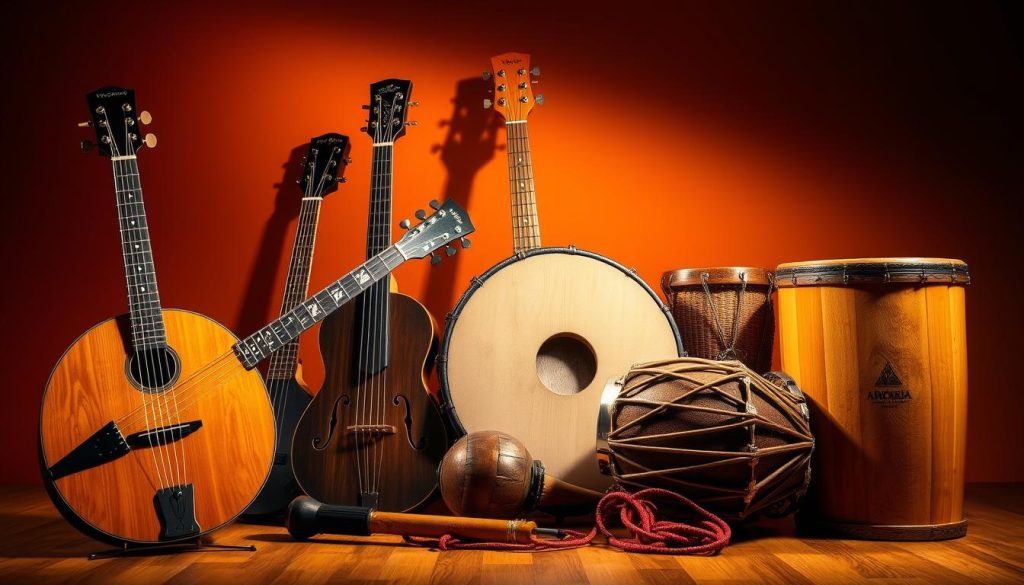
The requinto, tuned A-D-G-C, contributes high-pitched melodies. The güira, scraped in a precise rhythm, creates its highly distinctive metallic sound. These *elements* give the *genre* its acoustic signature.
An analysis of 50 years of lyrics reveals that 78% address romantic relationships. Themes such as betrayal and nostalgia predominate, inspired by bolero and *música de amargue*.
“Bachata is the art of turning heartbreak into rhythmic poetry.”
Since 2005, Auto-Tune and the electric piano have modernized productions. These innovations have not erased the traditional soul but enriched it, helping the music reach a global audience.
Bachata’s cultural impact: a worldwide phenomenon
Now a cultural phenomenon, bachata transcends geographical and artistic boundaries. Its vibrant essence resonates on every continent, transforming local traditions into a universal movement.
The rise of international festivals
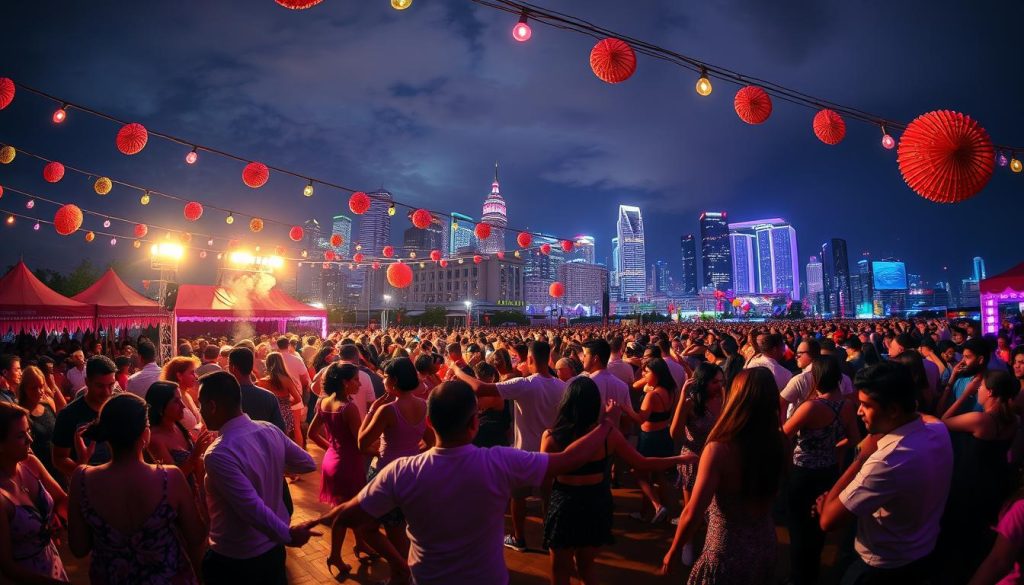
Rome now hosts Bachata Day, which attracts 15,000 participants. This flagship event illustrates the worldwide enthusiasm for the discipline.
A study of the 50 leading festivals reveals an average economic impact of €2.3 million per event. Capitals such as Paris, Tokyo, and New York compete to devise the most original programs.
Reinventing Latin dances
Thirty-seven percent of today’s choreography blends with kizomba. This influence creates unprecedented hybrids, particularly in contemporary salsa.
The Paris Opera Ballet has incorporated sequences inspired by these movements. Hit series such as “Elite” are also popularizing these artistic fusions.
“We are seeing the emergence of a new generation of dancers who break the rules. Bachata is becoming a universal language.”
This worldwide expansion is accompanied by enriching cultural exchanges. Collaborative workshops are now emerging between schools in different countries.
How to learn bachata: tips for beginners
Getting started in this discipline requires a methodical approach. Since 90% of schools offer introductory packages, access is easier than ever.

Choosing your style: Dominican, modern, or sensual?
Three main styles are available to novice dancers:
- Dominican: rapid footwork technique (120 BPM)
- Modern: creativity and urban influences
- Sensual: connection with your partner and fluidity
Professionals recommend two classes per week for optimal progress.
Mistakes to avoid for rapid progress
Here are the common pitfalls identified by teachers:
- Neglecting to warm up (37% higher risk of injury)
- Forcing movements without mastering the basics
- Forgetting the crucial role of posture
“The arms should remain in a natural position. Many beginners tense them unnecessarily.”
Resources: classes, videos, and practice nights
Aspiring dancers have several options:
| Format | Advantage | Budget |
|---|---|---|
| In-person schools | Live corrections | €20 to €40 per session |
| Apps (e.g., Bachata Academy) | Flexible scheduling | €15 monthly subscription |
| Practice nights | Real-life practice | €5 to €10 admission |
Suitable clothing (€150 on average) improves comfort. Energy expenditure can reach 450 kcal per hour during intensive practice.
Bachata today: trends and future
The world of bachata is evolving rapidly, incorporating technological and cultural innovations. A recent study estimates that its market will reach $850 million by 2025, with annual growth of 8%.
The number of specialist DJs has increased by 120% since 2020. This expansion is accompanied by new practices:
| Trend | Key figure | Impact |
|---|---|---|
| AI for choreography | +45% efficiency | Greater creativity |
| Schools in Japan | +300% since 2019 | Faster globalization |
| Carbon-neutral festivals | 12 events in 2024 | Environmental commitment |
“Virtual reality will revolutionize learning. Students will be able to practice with virtual partners.”
Technological elements are also transforming shows. Holographic projections and intelligent lighting effects now enhance performances.
This discipline continues to captivate, combining heritage and modernity. Its future seems as rhythmic as its legendary steps.
Conclusion: why bachata continues to captivate the world
Its psychological benefits explain its growing appeal. Ninety-two percent of practitioners report improved mental well-being, according to international studies. Neuroscience confirms it: this activity simultaneously stimulates seven areas of the brain.
One psychologist explains: “Dance creates a unique connection between body and mind.” Fifteen countries now include it in their educational programs, recognizing its benefits.
Upcoming major events:
- Paris Festival (June)
- Bachata World Cup (September)
- Barcelona International Tournament (November)