
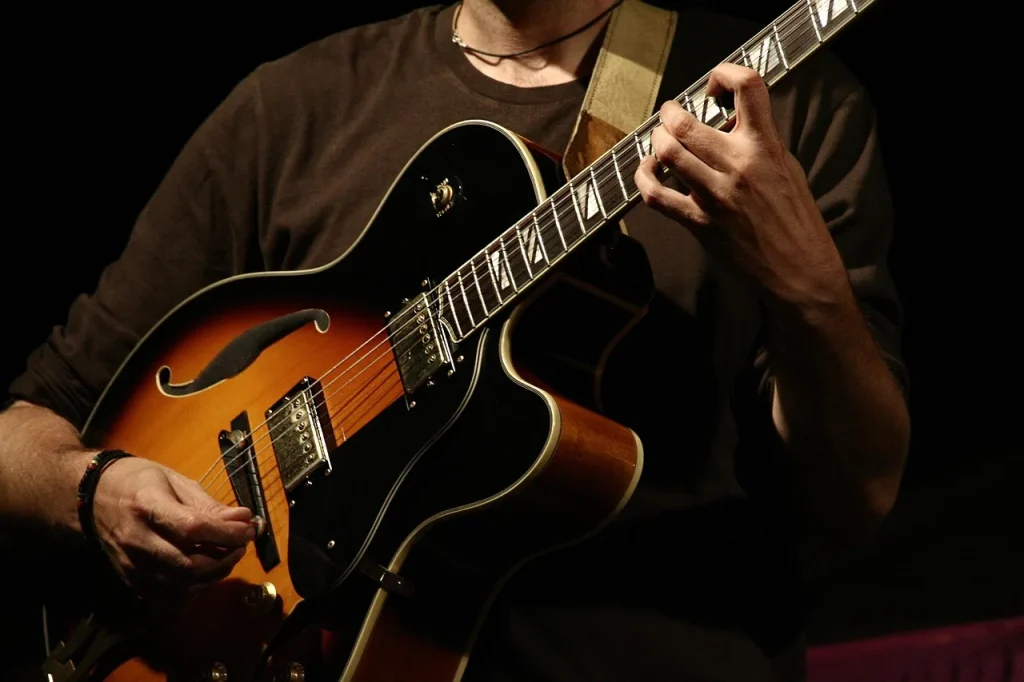
Cuban music is a unique blend of cultures. It combines Spanish and African influences. It features captivating rhythms and percussion instruments such as congas and claves.
Iconic instruments include the tres and the marímbula. Genres such as son, bolero, rumba, mambo, and salsa have shaped Cuba’s musical identity. They are known throughout the world.
Origins and influences of Cuban music
Cuban music emerged from a unique cultural blend. It combines Indigenous, European, and African musical traditions. African percussion and the Spanish guitar came together, giving rise to instruments such as claves and maracas.
This blend produced genres such as son and bolero. These styles influenced music throughout the Caribbean basin.
A blending of diverse cultures
One million four hundred thousand enslaved people were brought to Cuba between the 16th and 19th centuries. They brought Afro-Cuban musical traditions with them. Spanish colonists added their Spanish musical traditions.
This blend created a unique form of music. African rhythms merged with Spanish harmonies. This gave rise to son and bolero.
“Cuban son was declared part of Cuba’s cultural heritage in September 2012.”
Cuban music became a worldwide phenomenon. It influenced many forms of music throughout the Caribbean basin.
Iconic rhythms and musical genres
Cuban music is rich and varied. It includes musical genres such as Cuban son, Cuban mambo, Cuban rumba, Cuban salsa, cha-cha-cha, filin, and nueva trova. Each genre has its own rhythms, instruments, and vocal styles. This reflects the diversity of Cuban music.
Despite their diversity, these genres share common influences. Los Muñequitos de Matanzas, renowned for Cuban rumba, were founded on October 9, 1952. Rumba originated in Matanzas nearly 300 years ago.
Salsa emerged in the 1970s. It arose from the fusion of styles such as Cuban son, Puerto Rican plena, and jazz. The group Fania All-Stars, founded in 1968, brought together Cuban, Panamanian, and Puerto Rican talent.
“Salsa was born in Cuba but developed in the United States while retaining strong roots in African traditions and the Spanish influences inherited from the colonial era.”
Santiago de Cuba, a musical birthplace
Santiago de Cuba is the birthplace of many Cuban musical genres, including son and bolero. Son, a precursor to salsa, arose in the mountains of Santiago in the early 20th century. Guajiros—rural farmers—spread this style by singing and playing the guitar.
Cuban bolero also originated in Santiago. It was born on balconies and verandas from a blend of European and African influences. These genres subsequently spread throughout the country and beyond.
The birth of son and bolero
Cuban son and Cuban bolero have their roots in Santiago de Cuba. Son, a musical genre typical of Cuba, was recognized as intangible heritage in 2012. Bolero arose on the city’s balconies and verandas under European and African influences.
The MatamoroSon Festival is held every two years in Santiago de Cuba. It is an important celebration of Cuban music. It brings together local and international performers such as Pupy y Los Que Son Son and José Alberto “El Canario.”
Santiago de Cuba, with its 450,000 inhabitants, is the heroic and multicultural capital of eastern Cuba. It is also the birthplace of Cuban trova, an early-20th-century musical style. The city is home to San Pedro de la Roca Castle, a UNESCO World Heritage Site.
What is the typical music of Cuba?
Cuban music is rich and varied thanks to the union of diverse cultures. It includes genres such as son, rumba, mambo, and salsa. These styles grew out of African and Spanish traditions.
Percussion instruments, such as congas and claves, are essential to Cuban music. String instruments, such as the tres, also play an important role. This unique blend has made Cuban music famous throughout the world.
| Cuban musical genres | Typical instruments |
|---|---|
| Salsa, cha-cha-cha, rumba, trova, timba, danzón, Cuban bolero, guajira, Latin jazz, pachanga, habanera, filin, conga, changüí, songo, contradanza, timba, tumba francesa | Spanish castanets, African percussion, brass instruments, string instruments—including viols and violins—piano, trompeta china, tres, bongos, güiro |
The instruments, dances, and musical styles evolved over the centuries. They created unique music that reflects Cuba’s cultural blending.
“Cuban music is the result of the blending of the traditions of enslaved Africans and Spanish masters, together with elements from other ethnic groups that influenced the Cuban population.”
Son, guaracha, and rumba became symbols of Cuban music. UNESCO recognizes them as intangible cultural heritage.
Cuban musical instruments
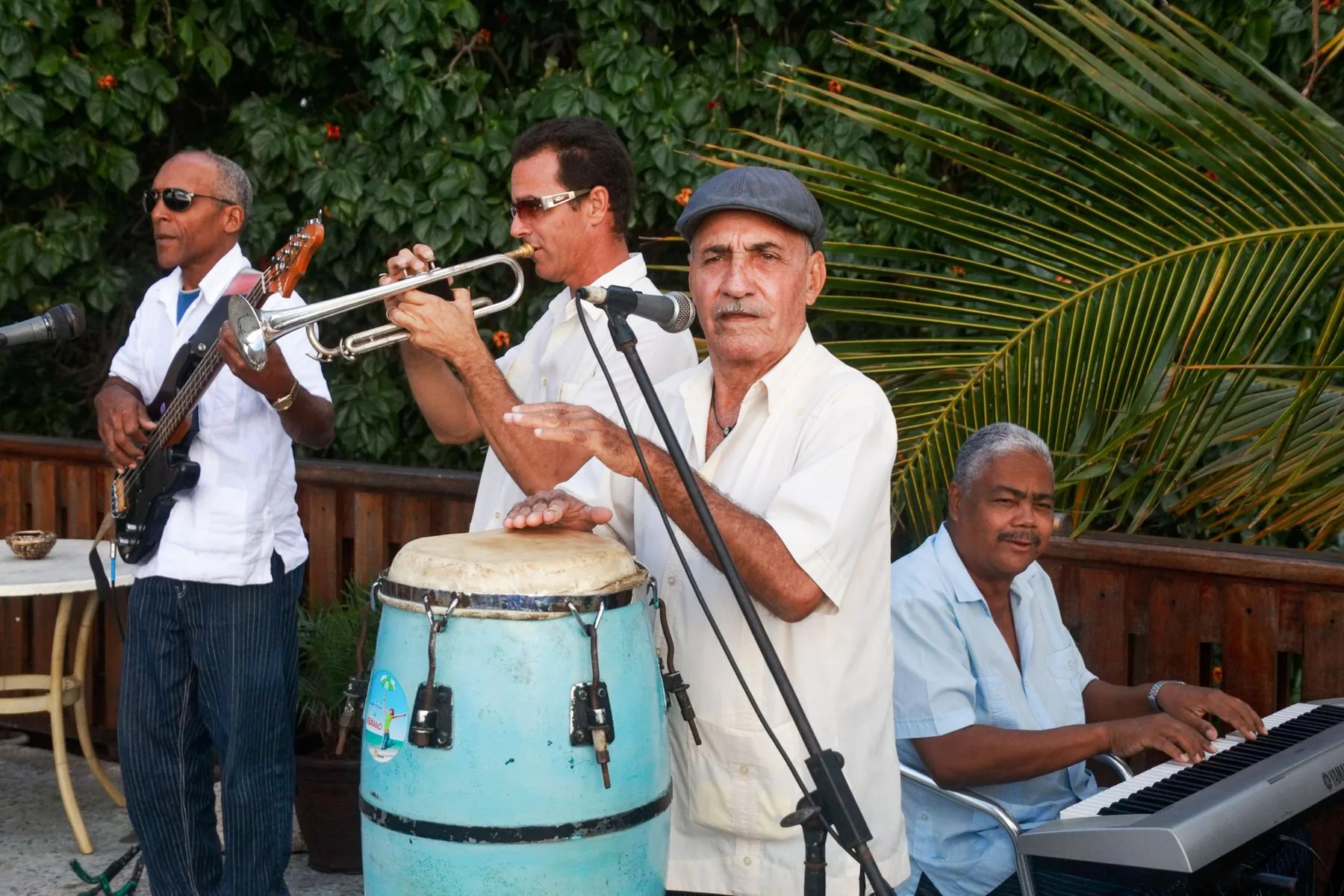
Cuban music is known throughout the world for its richness and diversity. Cuban instruments are the product of centuries of innovation and cultural blending. They include percussion instruments such as congas, claves, timbales, and the shekere. String instruments such as the tres and marímbula are also essential.
Cuban percussion instruments
Percussion lies at the heart of Cuban music. Congas, which came from Africa, are essential to Cuban son. Claves are indispensable to mambo and son. Timbales add a military touch, while the shekere contributes a unique sound.
Cuban string instruments
String instruments such as the tres and marímbula are equally crucial. The tres is ever-present in Cuban son. The marímbula provides a deep bass sound.
| Instrument | Origin | Role in Cuban music |
|---|---|---|
| Congas | Africa | Inseparable from rumba and Cuban son |
| Claves | Africa | Provide the basic rhythm of mambo and son |
| Timbales | Africa | Add a military touch to Cuban music |
| Shekere | Africa | Adds a unique percussive dimension |
| Tres | Spain | Ever-present in Cuban son |
| Marímbula | Latin America | Provides a deep, distinctive bass sound |
These instruments, which came from Africa, Spain, and Latin America, are essential to Cuban music. They helped create genres such as son, rumba, and mambo, which are known throughout the world.
Legendary performers and musical groups
Cuban music has been championed by many performers and groups that became legendary. The Buena Vista Social Club achieved international success thanks to musicians such as Compay Segundo, Ibrahim Ferrer, and Omara Portuondo. Other major performers, including Celia Cruz, Rubén González, and Irakere, also contributed to the popularity of Cuban music.
The Buena Vista Social Club was active from 1996 to 2015. Its self-titled 1996 album won a Grammy in 1998. In 2003, Rolling Stone ranked the album among the 500 greatest albums of all time.
Sadly, some members of the group have died. Compay Segundo, Rubén González, Ibrahim Ferrer, Pío Leiva, Anga Díaz, and Orlando “Cachaito” López have all passed away. Nevertheless, reissues of the original album continue to be released, attesting to their enduring influence.
Members of the Buena Vista Social Club also recorded solo albums. Rubén González, Barbarito Torres, Ibrahim Ferrer, Eliades Ochoa, Omara Portuondo, Orlando “Cachaíto” López, Amadito Valdés, Manuel Mirabal, and Rhythms Del Mundo all contributed to Cuban music.
Former members of the Buena Vista Social Club formed the Orquesta Buena Vista Social Club. They undertook an international tour in 2015, the “Adiós Tour.”
In addition to the Buena Vista Social Club, other legendary performers and groups enriched Cuban music. Celia Cruz, La Lupe, Arsenio Rodríguez, Pérez Prado, and Irakere all left a profound musical legacy.
The evolution of Cuban music after the Revolution
After the Cuban Revolution of 1959, Cuban music changed considerably. Major music companies stopped distributing Cuban music. However, thanks to the film “Buena Vista Social Club,” the world rediscovered the richness of Cuban music.
New musical styles emerged, demonstrating the vitality of Cuban music. Timba, which developed from Cuban son, arose in the 1990s. It is influenced by jazz, rock, and hip-hop.
Cuban emigrants taught Cuban salsa in Europe, creating an international trend. “Casas de música” and “Cuban salsa” classes proliferated, especially during the 1990s.
Contemporary Cuban music blends tradition and innovation. It offers a musical experience unlike any other in the world.
“Cuban music has always reflected the evolution of society, its challenges, and its aspirations.”
Conclusion
Cuban music is a unique blend of cultures, with African, European, and Indigenous American influences. It is known worldwide for its captivating rhythms and distinctive instruments. Son, rumba, and mambo are particularly popular genres.
Cuban music has endured many challenges, including the Revolution. It continues to evolve, demonstrating its richness and influence on music around the world.
Genres such as rumba and son remain popular. The more recent timba demonstrates the innovative nature of Cuban music. Figures such as Nicolás Guillén and Nancy Morejón helped promote this music.
Cuban music is a cultural treasure that symbolizes Cuba’s diversity and creativity. It inspires many musicians and continues to captivate the world.
FAQ
What characterizes the typical music of Cuba?
What are the origins and influences of Cuban music?
What are the main Cuban rhythms and musical genres?
Where is the birthplace of Cuban music?
What are the main characteristics of Cuban music?
What are the most iconic Cuban musical instruments?
Who are the most legendary Cuban performers and musical groups?
How did Cuban music evolve after the Revolution?
Source links
- https://en.wikipedia.org/wiki/Music_of_Cuba
- https://www.pbs.org/buenavista/music/a_rumba.html
- https://artscenter.vt.edu/blog/2026/09/sounds-of-cuba.html
- https://rmbodenheimer.com/wp-content/uploads/2017/12/acrefore-9780199366439-e-490.pdf
- https://academicworks.cuny.edu/jj_pubs/315/
- https://www.smithsonianmag.com/travel/rumba-brief-history-slavery-cuba-music-dance-cultural-travel-180960934/
- https://teachersinstitute.yale.edu/curriculum/units/files/96.04.02.pdf
- https://www.nps.gov/articles/000/salsa-is-more-than-salsa.htm
- https://www.cuba.travel/en/what-to-do/cuban-culture
- https://rmbodenheimer.com/wp-content/uploads/2017/12/acrefore-9780199366439-e-490.pdf
- https://www.cuba.travel/en/what-to-do/cuban-culture
- https://www.jstor.org/stable/j.ctv11smscb
- https://calperformances.org/learn/k-12/pdf/2008/Afro-Cuban_All_Stars_Study_Guide_0809.pdf
- https://www.jstor.org/stable/j.ctv11smscb
- https://www.buenavistasocialclub.com/story/
- https://www.pbs.org/buenavista/music/a_rumba.html
- https://academicworks.cuny.edu/jj_pubs/315/
- https://www.capradio.org/music/npr/story?storyid=1038852124
- https://www.smithsonianmag.com/travel/rumba-brief-history-slavery-cuba-music-dance-cultural-travel-180960934/
- https://content.ucpress.edu/chapters/10508.ch01.pdf