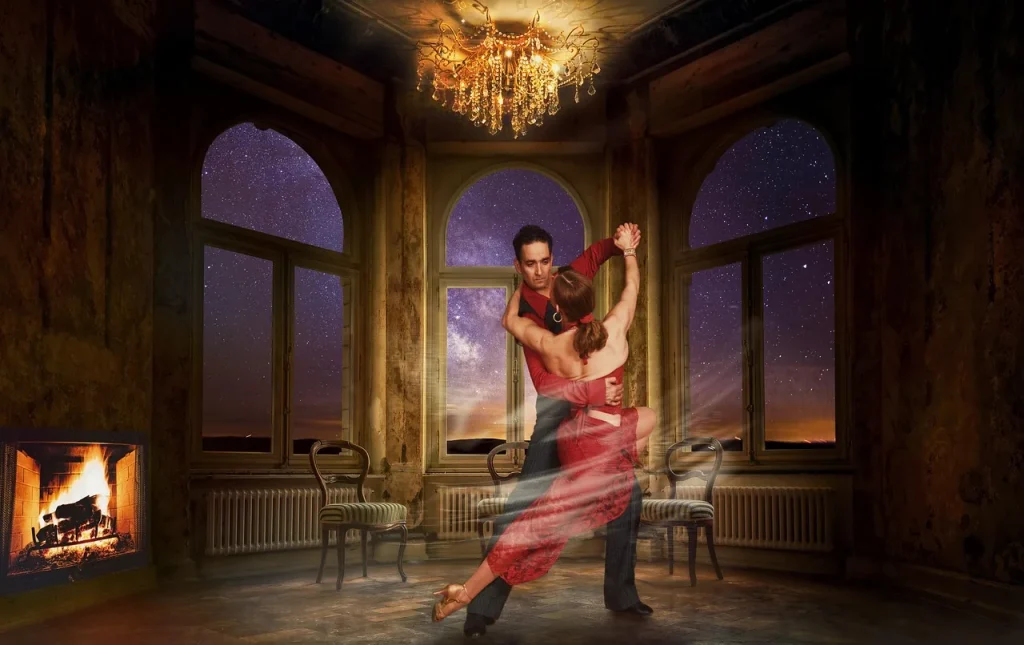
Cuban music is a cultural treasure rich in rhythms and dances. It invites you to discover Cuban salsa, rumba, and other styles. This tradition opens up a world of possibilities for expressing yourself.
By following the right advice, you will quickly learn the basic techniques. You will then be able to dance to the rhythm of Cuban music on the dance floor. This music is a blend of Caribbean, African, and American influences.
What is Cuban salsa?
Cuban salsa is a lively Latin dance. It emerged from a blend of Caribbean, West African, and American cultures. Its accompanying music combines rumba and Cuban son, both rooted in African and Caribbean cultures.
American jazz also influenced these Cuban rhythms, enriching Cuban salsa.
Caribbean, African, and American roots
Cuban salsa arose from a blend of cultures and traditions. Its roots lie in the Caribbean, with African and American influences. This fusion of sounds and movements creates a unique dance.
The origins of the term “salsa”
The word “salsa” means “sauce” or “spicy” in Spanish. It became popular in the 1930s. Audiences would call on musicians to play by shouting “salsa, salsa.” Today, “salsa” is synonymous with this Latin music and its accompanying dance.
| Key statistics | Data |
|---|---|
| Cuban salsa is the most widely practiced partner dance in France. | – |
| The Cuban music underlying salsa rhythms is a blend of rumba and Cuban son. | – |
| The term “salsa” dates back to the 1930s and means “spicy” in Spanish. | – |
“Cuban salsa is a joyful dance that is accessible to beginners and can be danced in a group or as a couple.”
How to dance Cuban salsa well
To dance Cuban salsa well, it is crucial to know the basic steps. Basic Cuban salsa steps, such as the “Cuban back step,” “Guaguanco,” and “Small steps,” are essential. They help you connect with the rhythm and your partner.
Basic Cuban salsa steps
- The Cuban back step: step backward with the left foot, then step forward with the right foot.
- The Guaguanco: step to the side, step backward, and take a small step forward.
- The Small steps: short, quick steps that help you adapt to the rhythm.
Adopting the right position
Cuban salsa uses a closed salsa position. The leader’s right hand rests on the follower’s back. Their free hands are joined and held high. This position makes leading and adapting to the music easier, ensuring perfect synchronization.
“Cuban salsa is both a social dance and a way of life that people of any age can enjoy immensely, even as beginners.”
How do you dance to Cuban music?
Rueda de casino, alone or with a partner
Cuban salsa is not danced only by couples. The “rueda de casino” allows several couples to dance in a circle. Dancers change partners according to the caller’s instructions. It is an enjoyable way to dance in a group, whether you come alone or with a partner.
This group dance is perfect for meeting other enthusiasts of Cuban solo dancing. It is festive and rhythmic.
The rueda de casino is unique. Dancers change partners throughout the dance, creating a dynamic and interactive atmosphere.
This dance emphasizes improvisation and team spirit. It also highlights the rapport between participants.
“The rueda de casino is an unforgettable experience in which music and dance intertwine to create a genuine connection between the dancers.”
The rueda de casino is ideal for beginners and experts alike. It offers a unique way to discover Cuban dance. Follow the rhythm and let the spirit of camaraderie carry you along for a memorable experience.
Cuban music and dance: a rich, deeply rooted tradition
The traditions of dance and music come from a diverse heritage. They combine European, African, and American influences. The island’s Indigenous peoples first practiced dance rituals. The French contredanse was later introduced, giving rise to the Cuban contradanza.
This dance gave rise to other famous ballroom dances, including the danzón, mambo, and cha-cha-cha.
Enslaved Africans brought their own Afro-Cuban dance traditions. These gave rise to religious forms such as Santería and to rumba. This fusion created a unique, rich dance tradition deeply rooted in Cuban culture.
Cuban poets such as José Martí, Nicolás Guillén, and Nancy Morejón incorporated these oral and musical traditions into their work. This demonstrates the importance of this historical heritage in the history of Cuban dance.
FAQ
How do you dance to Cuban music?
What is Cuban salsa?
How do you dance Cuban salsa well?
How do you dance to Cuban music?
What is the tradition behind Cuban music and dance?
Source links
- https://latindanceshoes.com.au/fr/cuban-salsa-moves-names-video
- https://www.pbs.org/buenavista/music/timeline_1900.html
- https://www.latinballet.com/dance-history-1
- https://timeline.music/en/cuba
- https://latindanceshoes.com.au/fr/salsa-son-cubano-quelles-sont-les-differences
- https://socalfolkdance.org/syllabi/syllabus_statewide_2019.pdf
- https://latindanceshoes.com.au/fr/salsa-dancing-les-bases-quil-faut-savoir
- https://journals.openedition.org/ilcea/9705?lang=en
- https://pmc.ncbi.nlm.nih.gov/articles/PMC10849889/
- https://worldmusic.net/blogs/guide-to-world-music/cuba-son-and-afro-cuban-music
- https://www.tripcuba.org/dance-museum
- https://escholarship.org/content/qt82f1g438/qt82f1g438_noSplash_4707d1be798c544e8f1e121b0cf385d9.pdf