
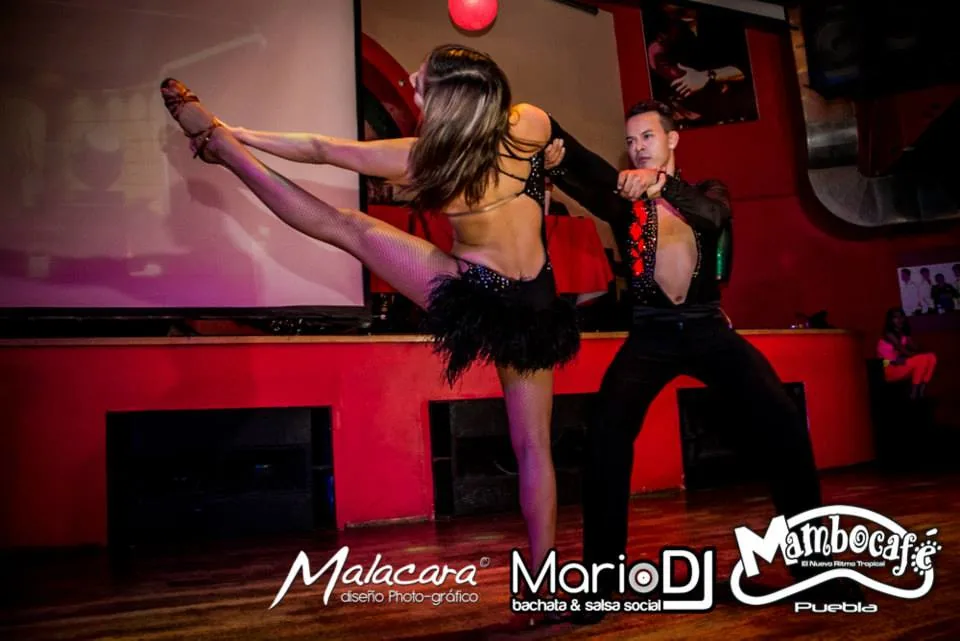
Born in the working-class neighborhoods of the Dominican Republic, this dance has conquered the dance world with its unique blend of passion and rhythm. Artists such as Juan Luis Guerra have turned this style into an international phenomenon with legendary albums.
Once marginalized, it is now celebrated at festivals throughout Europe. Its success lies in its ability to express universal emotions while preserving its Caribbean authenticity.
Techniques are constantly evolving, blending tradition and modernity. This evolution makes it a living discipline in which every step tells a story.
Introduction to advanced bachata
International festivals reveal the full range of advanced techniques in this discipline. The Dominican Republic Bachata Festival, for example, showcases the precise footwork of the Dominican style, which contrasts with the aerial moves of modern styles.
In France, more than 500 schools now offer specialized classes. This growth demonstrates dancers’ enthusiasm for mastering complex sequences while respecting the soul of the music.
Two criteria are essential for reaching a higher level: technical precision and the interpretation of musical nuances. Experienced dancers know how to adapt their style, whether traditional, sensual, or urban.
Actively listening to the music makes it possible to synchronize every movement with the rhythmic breaks. Workshops with experts such as Marius&Elena help develop this sensitivity.
Finally, the connection with your partner becomes a silent dialogue. It rests on three pillars: body control, musical anticipation, and nonverbal communication.
The fundamentals of mastering advanced bachata
Mastering the technical foundations is essential for progressing to a higher level. Solid posture, agile feet, and a keen ear for the music form the winning trio.
Posture and balance
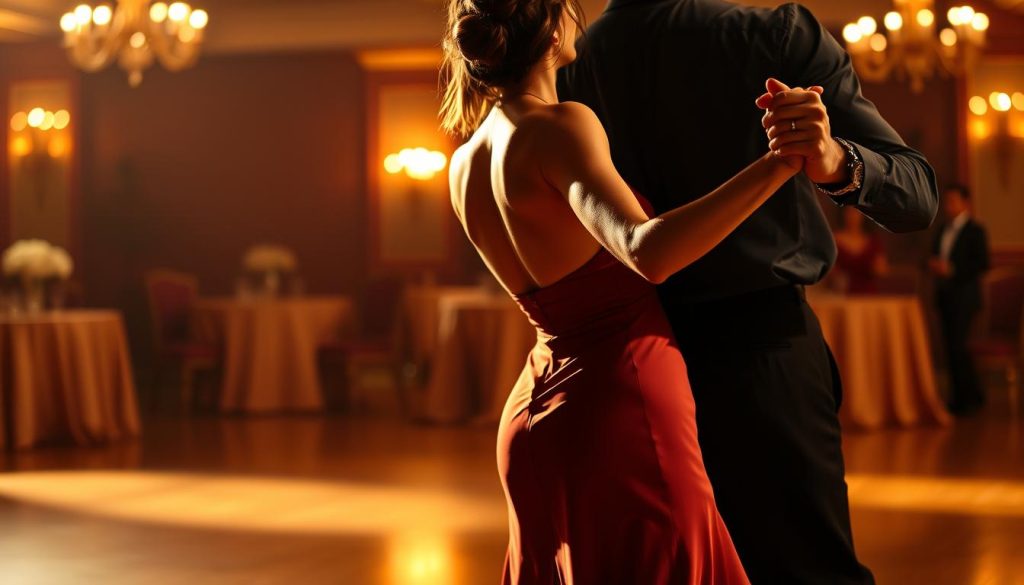
One study found that 68% of injuries are linked to poor posture. For turns, use the spotting technique: focus on a visual point to stabilize your body.
Proper cervical, thoracic, and lumbar alignment is crucial. Proprioception exercises on an unstable surface strengthen balance.
Footwork and weight placement
Your feet guide every movement. Practice transferring your weight on the balls of your feet while rotating slowly to improve precision.
Adapt your weight placement to the type of floor, whether hardwood or tile. Good grounding prevents slipping and improves fluidity.
Synchronizing with the music
Break down the eight counts by identifying the instrumental accents. A metronome or video feedback can help you adjust your timing.
Regular practice with teaching tools turns theory into a natural reflex.
Advanced bachata move techniques
Complex moves transform a simple dance into a genuine form of artistic expression. Achieving this requires a combination of precision, techniques, and musical sensitivity.
Fast turns and their variations
The sensual style features no fewer than 12 variations of turns. The key lies in using abdominal torsion to perform stable rotations.
Avoid excessive shoulder rotation during backbends. Choose shoes with suede soles for precise pivots.
Fluid changes of direction
Differential palm pressure enables smooth transitions. This leading technique is explained in the “Advanced Combos” tutorial.
Anticipating the movement and controlling body weight are essential.
Complex combinations
A successful sequence such as “Tornado Spin” → “Neck Roll” → “Dip” requires exceptional fluidity of movement.
Adapt your style to the music: slow and sensual for romantica, energetic for electro.
Improving your connection with your partner
In the world of dance, the connection between partners makes all the difference. It is this invisible chemistry that transforms a sequence of steps into a true bodily dialogue.
According to a recent study, 82% of professionals practice with more than five partners per month. This diversity of experience enriches their adaptability.
Nonverbal communication
Body language plays a crucial role. The 70/30 rule suggests listening 70% of the time and taking the initiative 30% of the time.
Micro-signals, such as finger pressure or shoulder-blade orientation, become silent words. World champion Maria Toscano confirms: “It is when you close your eyes that you truly feel your partner.”
Leading and following in advanced bachata
Bachata United has developed an innovative system of movement codes:
| Signal | Meaning | Intensity |
|---|---|---|
| Light pressure | Change of direction | 1-3/10 |
| Shoulder-blade contact | Turn preparation | 4-6/10 |
| Controlled resistance | Stop or slow down | 7-9/10 |
Adapting to different styles
Every dancer has a unique signature. Here is a comparison of connections:
- Bachata: firm yet fluid leading
- Kizomba: continuous chest connection
- Salsa: a wider, more dynamic frame
For beginners, simplify the moves without sacrificing communication. Shared enjoyment remains the most important thing.
Fluidity of movement in bachata
The elegance of a dance depends on the fluidity of movement. By mastering this dimension, every step becomes a natural expression of the rhythm.
Hip movements and their importance
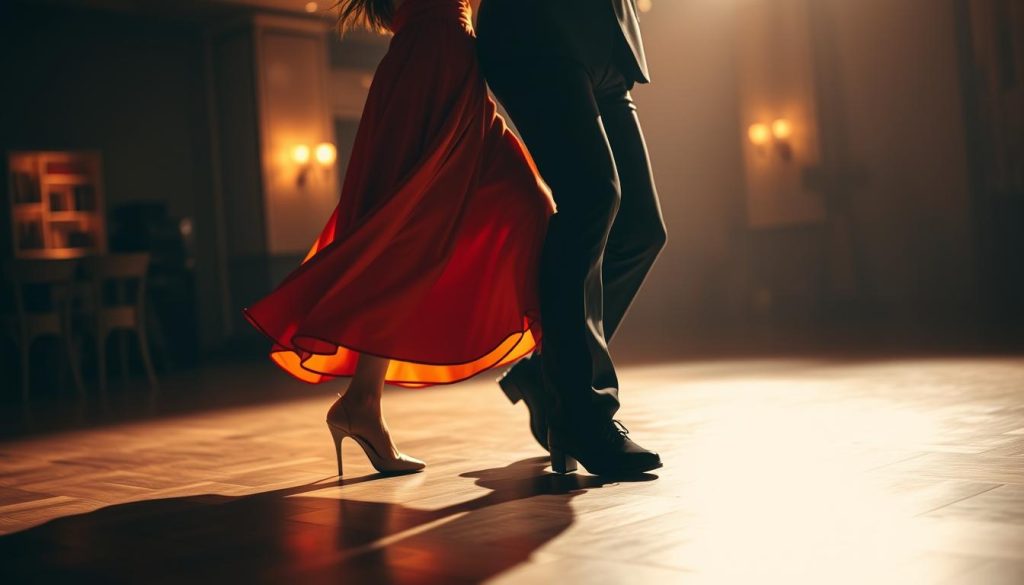
Hip movements give this discipline its unique character. One study found that strengthening the obliques increases their range of motion by 40%.
Biomechanics plays a key role. The iliopsoas enables precise circular rotations. To work it, use a resistance band during your exercises.
Body waves
Fernando Sosa developed the “Wave Flow” method. It teaches isolation between the pelvis and rib cage to produce harmonious waves.
An expert tip: synchronize your breathing with each wave. This technique improves both grace and endurance.
Transitioning between moves
Musical pauses are ideal for linking steps. Analyze the “Body Roll” → “Hip Lift” sequence to understand how it works.
To explore these techniques in greater depth, discover our specialized classes. They turn theory into fluid practice.
The entire body contributes to this chemistry. Work on each element individually before combining them.
Bachata styles and their distinctive features
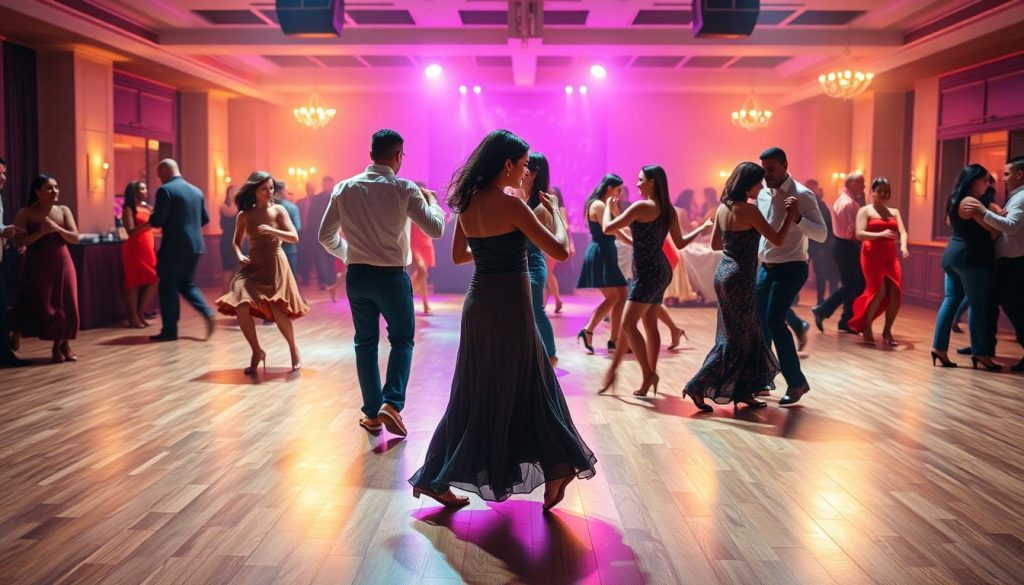
Between tradition and modernity, this dance comes in several distinct forms. Each style has its own identity while sharing the essence of Latin dances.
Traditional Dominican bachata
This authentic style is recognizable by its characteristic footwork. The “tap-step” on counts 4 and 8 creates a pronounced rhythmic difference.
World champions Joel & Yesenia favor this approach. Their performances highlight grounded connection and pure musicality.
Modern and urban bachata
Influenced by hip-hop and zouk, this version incorporates contemporary elements. Broad traveling steps and aerial moves sometimes resemble salsa movements.
Outfits are evolving too: stretch jeans and sneakers are replacing traditional costumes. This adaptation reflects cultural evolution.
Sensual bachata
Accounting for 74% of classes in France, this style dominates current instruction. It combines fluid body movement with in-depth musical interpretation.
Waves and backbends require particular technical mastery. Flowing skirts accentuate the visual effect of the movements.
| Style | Rhythm | Characteristic | Typical outfit |
|---|---|---|---|
| Dominican | Marcato on 4/8 | Precise footwork | Linen shirt |
| Modern | Syncopated | Aerial moves | Stretch jeans |
| Sensual | Continuous | Body waves | Flowing dress |
To explore these styles, Spotify’s “Bachata Evolution” playlist offers clear audio examples. Like salsa, this discipline continues to evolve while respecting its roots.
Its hybridization with Argentine tango shows how the boundaries between Latin dances are becoming blurred. This richness allows everyone to find their own personal expression.
Musicality in advanced bachata
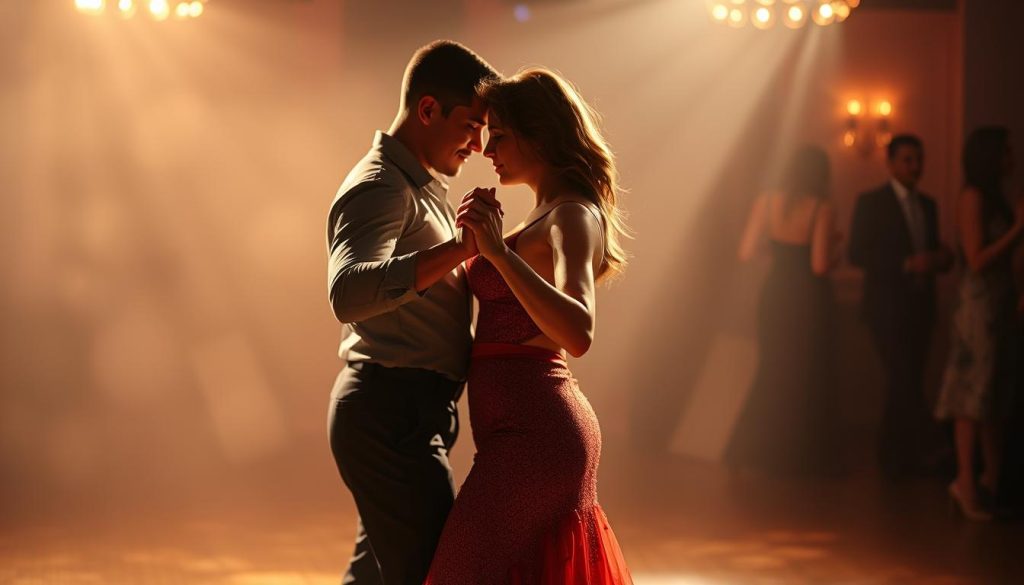
Turning sounds into gestures is the ultimate art of the experienced dancer. A recent study shows that, in 93% of competitions, musicality accounts for 40% of the total score. This figure reveals its crucial importance.
Understanding rhythms and breaks
Every instrument tells a story. The güira sets the tempo, the bongo provides the accents, while the bass outlines the melody. Decoding these elements makes it possible to create more expressive movements.
Practice this exercise with “Propuesta Indecente”:
- Identify the syncopations between counts 3 and 4
- Mark the offbeats with isolations
- Emphasize octave changes on the guitar
Expressing the music through the body
The BPM Analyzer app helps you work with changing tempos. One expert shares this secret: “Palmas (hand claps) help me internalize the rhythm before translating it into movement.”
Adopt this three-step method:
- Listen without moving to analyze the structure
- Sing the instrumental parts to memorize them
- Create connections between movements and vocal inflections
Improvising in harmony with the music
Great dancers know how to anticipate breaks. This table shows how to adapt your dancing:
| Musical element | Physical response | Difficulty level |
|---|---|---|
| Sudden stop | Frozen pose | ★☆☆ |
| Acceleration | Fast footwork | ★★☆ |
| Change of instrument | Fluid transition between styles | ★★★ |
Romeo Santos once said: “True musicality is when your body becomes the orchestra.” This philosophy guides advanced interpretation techniques.
Common mistakes to avoid
One study found that 63% of dancers who quit at the advanced level do so because of technical frustration. Identifying these pitfalls helps you progress with confidence.
Lack of fluidity
Recurring injuries primarily affect the knees (35%) and lower back (28%). Excessive rotation, for example, can cause chronic pain.
Solutions:
- Apply the four-step protocol: diagnosis → exercise → integration → feedback.
- Work on postural alignment with proprioception exercises.
Overloading routines with technical moves
Learning aerial dips prematurely is a common teaching mistake. Carlos Cinta reminds us: “Technique without emotion is not worth a peso.”
Prioritize regular practice of the fundamentals before complex sequences. Losing synchronization in six-count combinations often reveals weak foundations.
Neglecting the connection
The role of leading is crucial. A minimum safety checklist includes:
- Checking with your partner beforehand when performing lifts.
- Clear nonverbal communication (finger pressure, shoulder-blade orientation).
A harmonious connection reduces the risk of injury and enhances the joy of dancing.
Practical exercises for improving
Mastering advanced techniques requires a structured approach. Targeted exercises improve precision, endurance, and coordination.
Exercises for turns and pivots
An effective program combines:
- 20 minutes of technical practice each day
- Turn sequences with changes of axis
- Use of a variable-density mat
The “Bachata Pro Training” method recommends:
- Start with slow rotations
- Gradually increase the speed
- Incorporate leading elements
Muscle-strengthening exercises
Dynamic core exercises with rotations strengthen the torso. This work improves stability during complex movements.
Recommended equipment:
- Resistance bands
- Light weights (1 to 2 kg)
- Non-slip surface
Daily training routines
A balanced schedule includes:
| Day | Objective | Duration |
|---|---|---|
| Monday | Pure technique | 35 min |
| Wednesday | Musicality | 30 min |
| Friday | Social dancing | 45 min |
One study found a 57% improvement over eight weeks with this method. Virtual reality can complement physical training through effective mental rehearsal.
The important thing is to respect your own pace. Vary the exercises to avoid monotony and maintain your motivation.
Preparing a bachata performance
A well-prepared stage turns a dance into a captivating show. According to one study, 89% of professionals use personalized playlists to optimize their performance. This way of working ensures harmony between movement and music.
Choosing suitable music
Your choice of music directly influences the visual impact. Three criteria are essential:
- BPM suited to the style (100 to 120 for Dominican, 110 to 130 for sensual)
- Narrative structure with an emotional climax
- Pronounced instrumental accents for key moments
Karen y Ricardo’s “Stage Ready” method recommends alternating energy levels. A slow track after a fast section creates contrast.
Creating a balanced choreography
The structure of a successful performance follows this ratio:
| Element | Ideal percentage | Example |
|---|---|---|
| Technical moves | 40% | Fast turns, backbends |
| Emotional expression | 35% | Eye contact, body waves |
| Key moments | 25% | Lifts, dramatic drops |
The 3D visualization technique helps you memorize complex sequences. To explore these techniques in greater depth, read our guide to advanced movements.
Managing stress and self-confidence
Stage fright affects 78% of dancers before a performance. Here is a scientifically validated protocol:
- Box breathing (4-4-4-4) for five minutes
- Sensory grounding (a familiar scent, soothing music)
- Positive visualization of the performance
Confidence also develops through regular practice. Neuroscientists have shown that 21 days of mental rehearsal reduces anxiety by 62%.
Finally, check the performance space 48 hours in advance. This technical detail plays a crucial role in your ease on stage. With these tools, you can turn every performance into a magical moment.
Conclusion
Great dancers know that the magic happens when three elements are in balance: precise technique, musical awareness, and human connection. These pillars transform a simple dance into a vibrant experience.
The evolution continues with fusion styles such as electro-bachata. Events such as Bachaturoad Paris demonstrate this vitality. Regular practice and interaction within the community accelerate progress.
As Luis Miguel says: “Bachata is not a dance; it is a bodily dialogue.” It is up to you to create that dialogue, whether on stage or at a social event.