
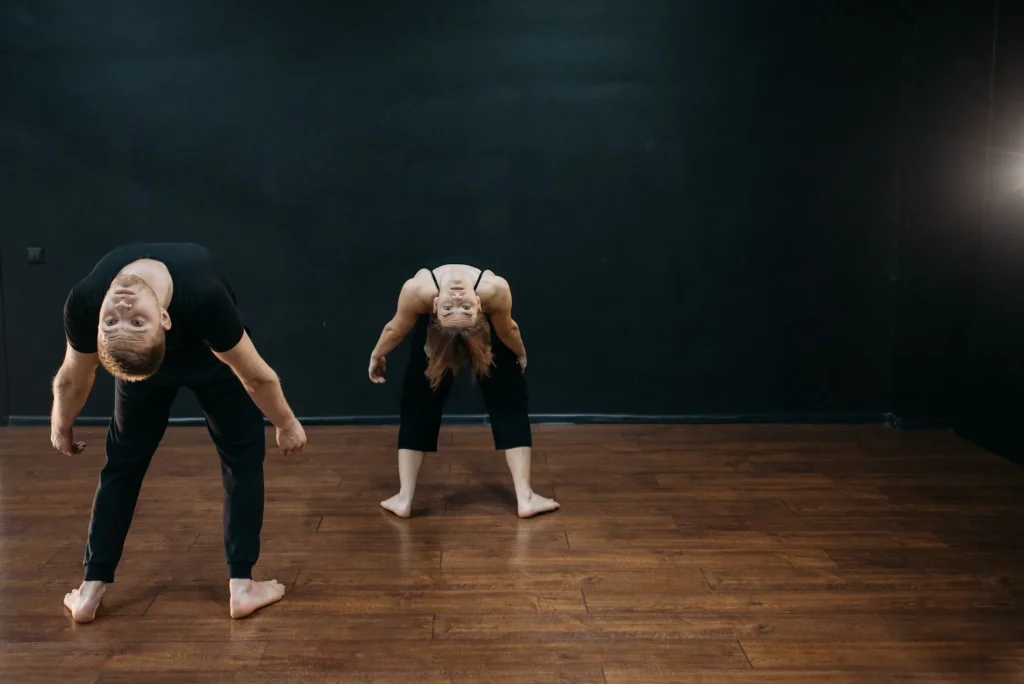
Bachata is attracting more and more people in France, with dedicated schools and social events throughout the country. This sensual dance, similar to salsa, requires freedom of movement and comfort. Choosing the right outfit is essential to make the most of every step.
Whether you are a beginner or an experienced dancer, your clothing affects how comfortably you move. Clothes that are too tight or unsuitable shoes can hinder your progress. This guide will help you avoid common mistakes and find the ideal gear.
We will cover options for men and women, as well as the technical criteria you should prioritize. The goal? To dance in style without restrictions.
Introduction: the importance of suitable bachata attire
Your progress in Latin dance also depends on how comfortable your clothes are. Overly tight clothing or rigid shoes restrict your movements, making basic steps difficult to perform.
Turns and fluid movement are essential in bachata. Restrictive clothing can cause injuries or inconvenience your partner. “68% of injuries in class are linked to unsuitable shoes,” reports a Paris-based instructor.
Choose flexible materials and fitted cuts that do not compress your body. Self-confidence also comes from a look that makes you feel at ease. Dancers who feel comfortable in their clothes can focus better on technique.
“Students wearing unsuitable clothes spend more time pulling at their shirts than listening to the instructions.”
Choosing your outfit is not merely a matter of style. It is a choice that affects your enjoyment and development in Latin dance styles.
The basics of a comfortable bachata outfit
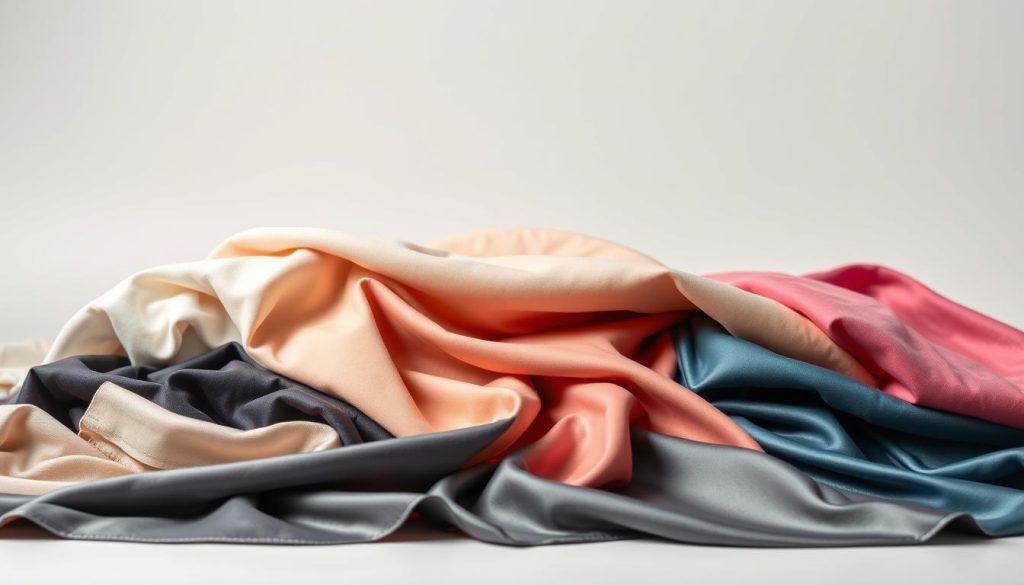
Moving freely in bachata starts with choosing the right clothes. The materials should follow the contours of the body without compressing it. Choose elastane or breathable cotton for complete freedom.
| Season | Fabric type | Benefits |
|---|---|---|
| Summer | Mesh or lightweight polyester | Breathable and moisture-wicking |
| Winter | Wool-cotton blend | Warmth without stiffness |
Brands such as Dansez Libre offer technical cuts. Avoid conventional sportswear, which is often too thick for turns.
To preserve elasticity:
- Wash at no more than 30°C.
- Avoid tumble-drying.
Finally, check the soles of your shoes. Slip-resistant and flexible soles protect your joints.
What to wear to a bachata class: a practical guide for women
For women, choosing the right bachata outfit combines appearance with functionality. Turns and footwork require clothes that follow your movements without restricting your freedom.
Dresses, leggings, and skirts: the essentials
Choose stretchy materials such as lycra or stretch cotton. A short dress avoids the risk of stepping on the hem, while leggings provide support without compression.
Avoid overly wide skirts that fly up during turns. “One student lost her balance because of her tulle skirt,” says an instructor from Lyon.
Heels or flats?
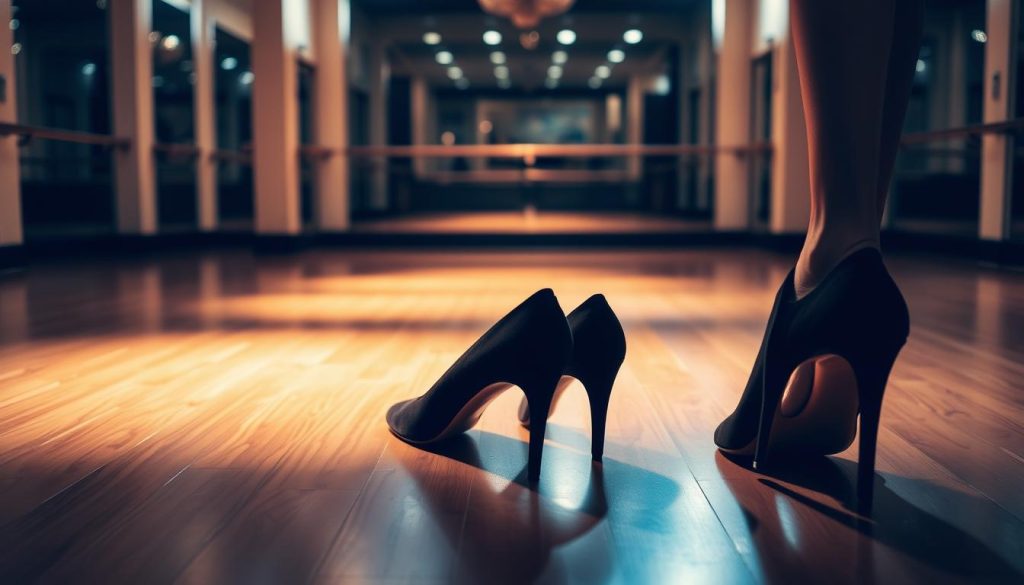
Heels measuring 3 to 5 cm help stabilize your steps, but they require a flexible sole. For beginners, ballet flats with slip-resistant soles are ideal.
Accessories to avoid
Certain details can get in the way of your partner or your movements:
- Long earrings (risk of snagging).
- Metal belts (risk of injury in closed position).
“My scarf wrapped around my partner’s arm during a dip… Since then, I have chosen headbands without metal parts.”
Choose sports bras with built-in pockets for your belongings. Safety takes priority over style during classes.
Lastly, choose an outfit that reflects your personality without compromising your comfort. A dancer’s life begins with a well-planned wardrobe!
What to wear to a bachata class: a practical guide for men
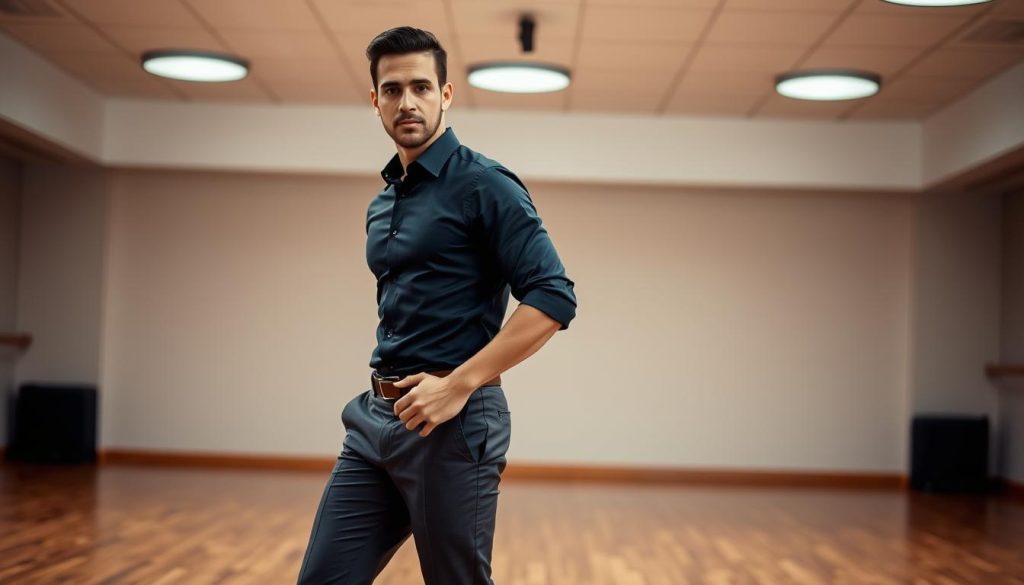
A successful bachata look combines style and functionality. For men, the challenge is to remain stylish while retaining complete freedom of movement. Here is how to achieve it.
Recommended clothing: jeans, polo shirts, and T-shirts
Choose fitted but non-restrictive garments:
- Stretch jeans or flexible chinos for the lower body.
- Stretch-cotton polo shirts or breathable T-shirts for the upper body.
- Fitted shirts with reinforced underarm seams.
An instructor from Marseille explains: “Dancers in well-cut shirts control their turns better than those wearing loose sweatshirts.”
| Garment type | Benefits | Example |
|---|---|---|
| Stretch shirt | Allows a full range of arm movement | Dansez Libre Pro model |
| Elastic belt | Prevents compression around the hips | MoveFree brand |
Choosing shoes: flexible sneakers or dress shoes?
The soles should follow the shape of the foot without stiffness. Choose:
- Sneakers with pivot soles for beginners.
- Soft leather dance shoes for experienced dancers.
Explore suitable styles in our selection of shoes.
Mistakes to avoid if you want to remain stylish and mobile
Certain details can spoil your experience:
- Overly tight belts that restrict hip movement.
- Tracksuits that are unsuitable for turns.
- Overly long sleeves that interfere with connection.
“I saw a student lose his balance because his shoes had rigid soles. Since then, I have always recommended flexible styles.”
Before every class, check:
- The length of your sleeves.
- That you have no protruding accessories.
- The flexibility of your shoes.
A successful look combines self-confidence with respect for the conventions of Latin dance. Find your balance between a polished outfit and freedom of movement.
Dance shoes: a worthwhile investment
Investing in suitable dance shoes changes everything. They provide optimal support and reduce the risk of injury. According to one study, they reduce joint problems by 40%.
- Smooth, effortless pivots
- Better weight distribution
- Effective shock absorption
| Type | Benefits | Lifespan |
|---|---|---|
| Standard | Affordable price | 6 to 8 months |
| Professional | Enhanced cushioning | 2 to 3 years |
In France, brands such as Paris Danse Shoes offer handcrafted styles. Their vibration-dampening system protects the knees during fast figures.
Trying shoes on in a specialist store is crucial. Test several pairs and walk on different surfaces. Some retailers accept old shoes in exchange for a discount.
“My students who wear technical shoes progress 30% faster.”
To help you choose, read our dance equipment guide. The right investment today ensures years of pain-free enjoyment.
The best materials for your dance clothes
Your choice of materials directly affects how comfortably you move on the dance floor. Lightweight, breathable fabrics prevent overheating while following the movements of the body.
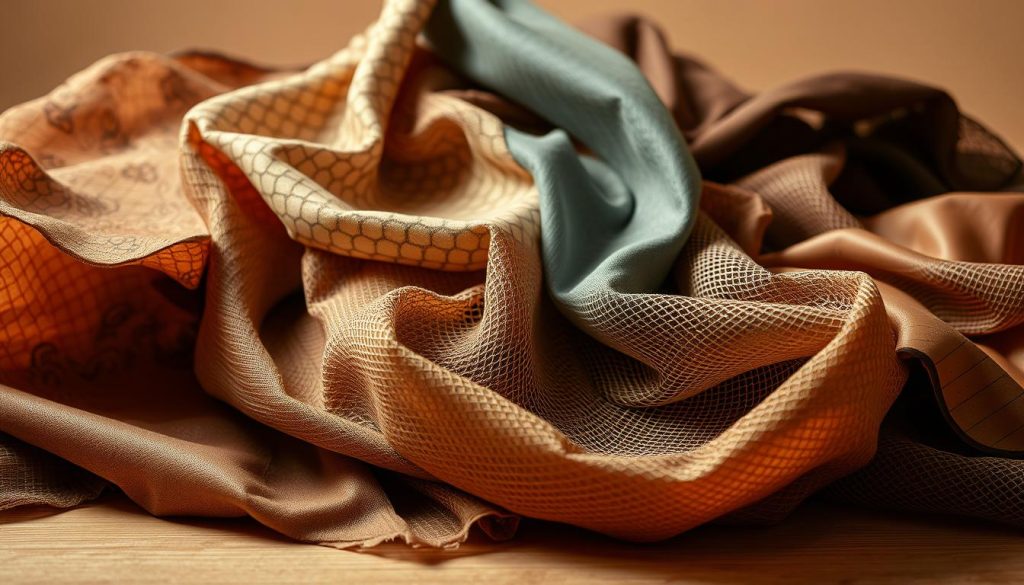
- Organic cotton: soft and absorbent, ideal for sensitive skin.
- Synthetic fibers (85% polyester and 15% elastane): quick-drying with optimal stretch.
| Type | Benefits | Care |
|---|---|---|
| Technical fabrics | Wick away sweat | Wash at 30°C |
| Wrinkle-resistant jersey | Odor-resistant (antibacterial treatment) | No fabric softener |
Choose GOTS or Oeko-Tex certifications for breathable materials that are environmentally responsible. These certifications guarantee the absence of toxic substances.
“A dancer wearing technical clothing tires 30% less quickly thanks to better temperature regulation.”
To preserve the properties of your clothes:
- Use gentle detergents.
- Avoid ironing at high temperatures.
- Store them flat to preserve their elasticity.
Colors and styles that enhance your dancing
Your outfit speaks before you even take your first step. In bachata, colors affect how your energy and connection with the music are perceived. An instructor from Montpellier notes: “Dancers wearing warm colors receive 20% more invitations to dance.”
- Fair skin: burgundy red or turquoise to create contrast.
- Olive skin: gold and emerald green to enhance it.
- Dark skin: mustard yellow or fuchsia to add radiance.
Vertical stripes elongate the figure and are ideal for arched movements. Horizontal stripes, best reserved for belts, emphasize hip movements without adding visual bulk.
Historically, Dominican bachata favored white and navy blue, symbols of purity and depth. Today, costume designers innovate with asymmetric cuts and geometric prints.
“An elegant style strengthens self-confidence, which is essential for complex footwork.”
In 2024, trends combined sheer materials with colorful belts. The key? Maintaining harmony between personal style and freedom of movement.
Outfits to avoid so they do not restrict your movements
Some outfits turn dancing into a real obstacle course. Professionals identify problematic garments that limit physical expression. Here is how to recognize and replace them.
Materials you should absolutely avoid:
- Rigid leather: prevents hip rotation and irritates the skin.
- Abrasive lace: may cause painful chafing in closed position.
- Thick fabric, such as raw denim: reduces the legs’ range of motion by 40%.
A biomechanical study shows that overly tight clothing restricts blood circulation. This causes premature muscle fatigue during fast sequences.
Revealing accounts:
“My hood got caught around my partner’s arm during a dip. The result was a mild sprain and a torn dress.”
There are stylish alternatives:
- Replace tight jeans with microfiber leggings.
- Replace metal belts with wide elastic belts.
- Choose sleeveless tops instead of button-down shirts.
Safety checklist before every class:
- Fingernails cut short (risk of scratches).
- Zippers checked (possible snagging).
- Hair tied back if it falls below the shoulders.
By following these tips, your movements will remain fluid and safe. A well-chosen outfit makes all the difference between restricted dancing and liberated physical expression.
How to adapt your outfit to the class level
The development of your outfit reflects your progress in bachata. Clothing needs change with the complexity of the figures and the intensity of the classes.
A beginner will prioritize comfort, while an experienced dancer will seek precision and elegance. Here is how to adapt your look to your level:
| Item | Beginner | Experienced |
|---|---|---|
| Top | Stretch-cotton T-shirt | Technical shirt with reinforced seams |
| Shoes | Sneakers with pivot soles | 5 cm heels (women) / Soft leather shoes (men) |
For intensive workshops, choose ultra-breathable materials. Instructors recommend fitted cuts without compression.
Emergency kit for every level:
- Shoe grips for slippery shoes.
- Elastic bandages for blisters.
- A sports bra with built-in pockets for keys and a phone.
“Students wearing clothes suited to their level absorb advanced techniques more quickly.”
In short, your outfit should develop alongside your skills. Prioritize functionality without sacrificing your personal style.
Tips for staying fresh and confident during class
Staying comfortable and confident requires suitable clothing. Your body needs to breathe while your outfit highlights your energy. Here is how to combine performance and appearance.
Managing sweat with the right clothes
Technical materials make a difference:
- Antibacterial polyester to reduce odors.
- Ventilated panels under the arms and across the back.
An instructor from Nice advises: “Dancers wearing breathable fabrics maintain their concentration 30% longer.”
Choosing cuts that boost your confidence
Dance-oriented body-shape styling suggests:
- Vertical panels to elongate the figure.
- Bright colors, such as red or turquoise, for an energizing effect.
“Wearing an outfit that flatters me makes me feel as though I dance better.”
Brands such as Danse Libre offer a broad range of sizes and adaptations for people with disabilities. Some stores organize personalized workshops.
Where can you buy bachata clothes and shoes?
Finding the right places to equip your dance wardrobe is essential. In France, enthusiasts have several options, from specialist stores to online platforms.
- Paris: Latin Shoes Concept Store (11th arrondissement)
- Lyon: Danse Passion (near Bellecour)
- Marseille: Salsa Boutique (Vieux-Port)
| Region | Specialty | Service |
|---|---|---|
| Île-de-France | In-store fittings | Sole repairs |
| Occitanie | Personalized workshops | Competition rentals |
For limited budgets, platforms such as Danse Second Life offer verified secondhand items. The “Bachata Market FR” Facebook groups highlight sales.
“Our customers look for shoes with pivot soles, which are crucial for advanced figures.”
Smart tips:
- Compare size guides from different brands.
- Prioritize free online returns.
- Try items in a store before buying them online.
Some retailers offer beginner packages containing shoes and toe protectors. This is a sensible investment for getting started in the best possible conditions.
Common beginner mistakes and how to avoid them
Starting bachata means avoiding certain clothing pitfalls. New dancers often make the same mistakes, harming their comfort and progress.
- Sequined costumes (interfere with turns)
- Rigid dress shoes (restrict pivots)
- Wide belts (block hip movement)
The “rotating wardrobe” technique allows you to test outfits gradually. Alternate between two or three combinations each week to determine which ones work best.
Clothing care:
- Wash inside out at no more than 30°C
- Dry flat to preserve elasticity
- Avoid fabric softener, which clogs technical fibers
Beware of misleading labels: a non-technical fabric described as “stretchy” may lose its shape after three washes. Choose specialist brands such as Dance Motion.
“Our referred students save an average of €70 on their first outfit thanks to the deals we share.”
Join exchange groups for beginners to receive personalized advice. A close-knit community helps you learn clothing conventions more quickly.
Conclusion: find your style and enjoy dancing
Dance transforms far more than your wardrobe. As Mathilde, who began six months ago, explains: “My flowing skirt gave me the confidence to try figures I had been afraid of.”
Remember these three pillars:
- Comfort: breathable materials
- Safety: no dangerous accessories
- Expression: colors that reflect who you are
Many studios offer introductory workshops. Use them to test different outfits before investing. Avoid impulse purchases: one pair of technical shoes is enough to get started.
As champion Juan Lopez says: “True style emerges when the outfit disappears and makes way for emotion.” Let go and allow your body to express itself.