
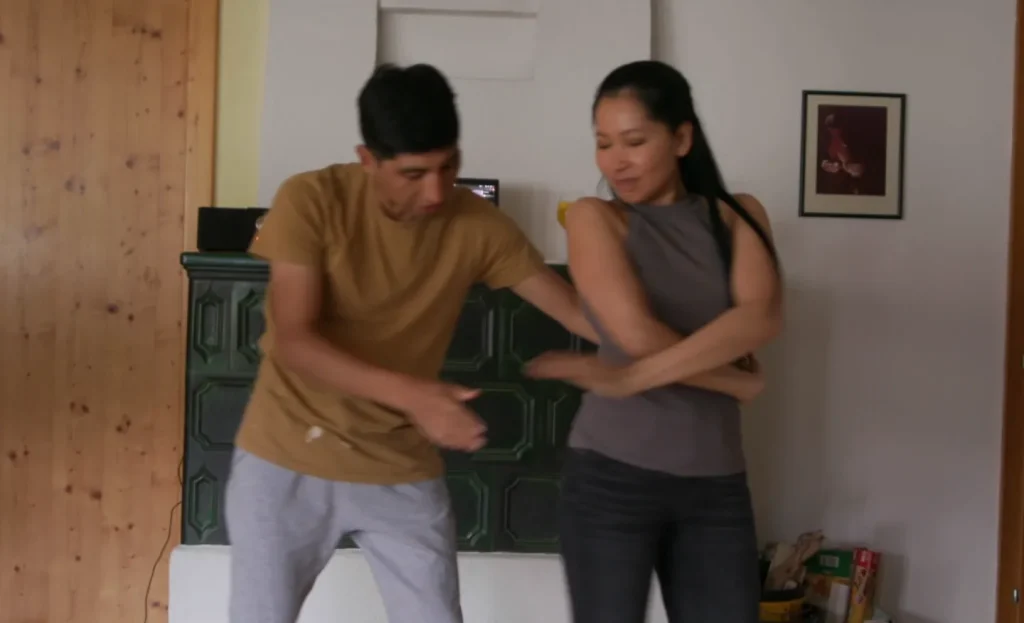
Born in the Dominican Republic, bachata has captivated the entire world with its sensual, mesmerizing style. This social dance emphasizes the connection between partners, creating a unique harmony.
Mastering fundamentals such as the basic step and hip movements is essential. With regular practice, 70% of beginners make rapid progress within three months.
Whether you are a beginner or an experienced dancer, this guide will help you improve your technique while sharing special moments together. Musicality and rhythm lie at the heart of this dancing passion.
Introduction to Dancing Bachata as a Couple
Immerse yourself in the captivating world of this Latin dance, where every step tells a story. With its Dominican roots, bachata has won hearts through its unique blend of rhythms and emotions.
What Is Bachata?
Emerging in the 1960s, this artistic expression draws its influences from various musical styles. Unlike salsa or merengue, it is characterized by:
- A steady 4/4 tempo
- Fluid hip movements
- Controlled sensuality
Discover how traditional bachata evolved into modern styles while preserving its soul.
Why Dance as a Couple?
This practice offers much more than physical activity. It creates a unique freedom of interaction between people:
| Benefit | Impact |
|---|---|
| Mutual trust | Strengthens bonds |
| Nonverbal communication | Improves synchronization |
| Rapport | Creates unique moments |
“After six months of practice, our relationship became more harmonious. Bachata taught us to listen to each other better.”
One study reveals that 89% of regular dancers notice a clear improvement in their communication. Physical unity then becomes much more than simply a dance.
The Essential Basics for Getting Started
Before attempting complex figures, it is crucial to master the essential elements. These fundamentals lay the groundwork for rapid, harmonious progress.

The Basic Step and Rhythm
The key lies in the four-beat rhythm. Many people underestimate the importance of the tap on the fourth beat, even though it is crucial.
Try this simple exercise: count the beats in the car while listening to your favorite songs. This naturally sharpens your musical perception.
Hip Isolations
Isolate this part of the body using a five-step method:
- Warm up your joints
- Practice slowly in front of a mirror
- Gradually add the rhythm
- Incorporate the movement into your steps
- Practice for 10 minutes every day
According to a recent study, 63% of beginners skip the warm-up. Yet warming up is essential for preventing injuries.
Listening to and Feeling the Music
Radio Latina can become a valuable ally in developing your ear. Try this sequence to Aventura’s Obsesión:
- Mark the first beat with a firm step
- Let the fourth beat carry you
- Add simple hip movements
The Body Movement Program considerably improves posture, which is essential for graceful movement.
“After three weeks of targeted exercises, my coordination changed dramatically. The basics make all the difference.”
Mastering the Connection with Your Partner
Harmony between two dancers relies on a subtle connection. This chemistry is built through mutual attention and precise physical signals.
The Roles of the Leader and Follower
Traditionally gendered, these roles are evolving toward a more neutral approach. The essentials are:
- Moderate firmness from the leader
- Active listening from the follower
- A constant exchange of energy
The wrist-pressure test helps you find the right balance. Too much force breaks the flow; too little creates confusion.
The Importance of Contact and Communication
The quality of palm contact directly affects technique. Varying the pressure slightly allows the lead to adapt to the rhythm.
| Type of contact | Effect |
|---|---|
| Light pressure | Subtle guidance for gentle movements |
| Medium pressure | Clear signal for changes of direction |
| Firm pressure | Reserved for complex figures |
As this analysis points out, constructive feedback after dancing accelerates progress.
Avoiding Common Mistakes
Certain pitfalls hinder the connection:
- Anticipating movements (loss of spontaneity)
- Leading too rigidly (puppet effect)
- Locked posture (restricts fluidity)
- Fixed gaze (reduces rapport)
- Holding your breath (creates tension)
“Correcting our weight placement transformed the way we dance. Stability brings a new sense of freedom.”
The mirror exercise, in which partners synchronize their weight transfers, develops natural coordination. This simple practice considerably strengthens the couple’s harmony.
Advanced Techniques for Making Progress
The real magic happens when the body becomes an instrument of expression. These refined methods transform a simple dance into a physical dialogue.

Specific Hip Movements
An adapted body roll requires perfect isolation. Follow this progression:
- Begin with slow pelvic circles
- Add spinal waves
- Coordinate them with your breathing
The eight professional movements include:
- The Cuban figure eight
- The lateral roll
- The syncopated offbeat
Stylistic Variations
Each style brings its own character:
| Type | Characteristic | Typical music |
|---|---|---|
| Dominican | Fast footwork | Juan Luis Guerra |
| Modern | Aerial figures | Romeo Santos |
| Sensual | Extreme closeness | Dani J |
Jays Dance school in Geneva offers workshops specializing in each style.
Improvising Fluidly
The SAFE method gives creativity a structure:
- Synchronization with the rhythm
- Anticipation kept subtle
- Fluidity through transitions
- Engaged listening to your partner
“Musical hits should emphasize the music, not overpower it. One well-placed accent is worth a thousand figures.”
A comparison of footwear reveals:
| Type | Advantage | Disadvantage |
|---|---|---|
| Dance shoes | Optimal pivoting | Limited versatility |
| Sneakers | Comfort | Excessive grip |
Practical Advice for Dance Socials
Preparing for a bachata social takes more than mastering the basic steps. Your experience on the dance floor also depends on details that are often overlooked.

Here is how to turn every outing into an opportunity to improve without sacrificing enjoyment.
Optimizing Your Outfit and Accessories
The ideal outfit combines style and functionality. Choose:
- Breathable fabrics (cotton or linen)
- Shoes with flexible soles
- Dance shorts under dresses for greater freedom
Essential accessories:
- Strong hair ties
- A compact towel
- A portable mini fan
Managing Physical Intensity
Indoor temperatures can reach 30°C. The three-change technique maintains comfort:
| Stage | Action | Benefit |
|---|---|---|
| 1 | Light clothing for warming up | Prevents overheating |
| 2 | Change after one hour of dancing | Provides instant refreshment |
| 3 | Dry clothing for the final songs | Prevents chills |
Getting onto the Dance Floor Quickly
Even after only a few classes, going out dancing accelerates learning. Experienced dancers recommend:
- Standing near the DJ to hear the rhythm more clearly
- Alternating between observation and practice
- Choosing beginner-friendly socials in Paris or Lyon
“My first social taught me more in one night than three weeks in the studio. The collective energy boosts your confidence.”
By following these tips, every dance floor becomes a playground where you can improve while having fun.
Tips for Optimizing Your Learning
The best dancers in the world share one secret: structured training makes all the difference. Here is how to boost your practice with proven methods.

Practicing Regularly at Home
A dedicated space improves concentration. Here is how to set one up:
- A smooth floor (wooden flooring or a dance mat)
- A mirrored wall or a camera for self-correction
- Alpine earplugs to isolate the rhythm
Fifteen minutes every day is better than one long weekly session. Alternate between:
- Joint warm-ups
- Repeating the basic steps
- Freely improvising to one song
Taking Classes and Workshops
The format affects your progress. Here is a comparison:
| Type | Advantage | Ideal frequency |
|---|---|---|
| Online | Scheduling flexibility | 3 times a week |
| Group | Exchange of energy | 2 times a week |
| Private | Personalized corrections | Once every 2 weeks |
“Online classes allowed me to revisit the basics at my own pace. They are an essential complement to studio sessions.”
Recording and Analyzing Your Progress
The DanceProgress app provides an assessment grid based on four criteria:
- Fluidity of transitions
- Rhythmic accuracy
- Posture and alignment
- Communication with your partner
One study shows that this method accelerates progress by 40%. The tip: record the same sequence every month to measure your development.
Conclusion
Seven key principles reveal the magic of this practice: musicality, connection, fluidity, listening, freedom of expression, rapport, and passion. These pillars make couple dancing a transformative experience.
Join Bachata Passion France to connect with thousands of enthusiasts. Do not miss the national festivals in Marseille and Bordeaux this summer.
As Juan Matos says: “Bachata is not just a dance; it is a spirit that unites hearts.” Let this passion guide your steps.
Download our guide to the 50 essential movements. Bring elegance and grace to your practice today.