
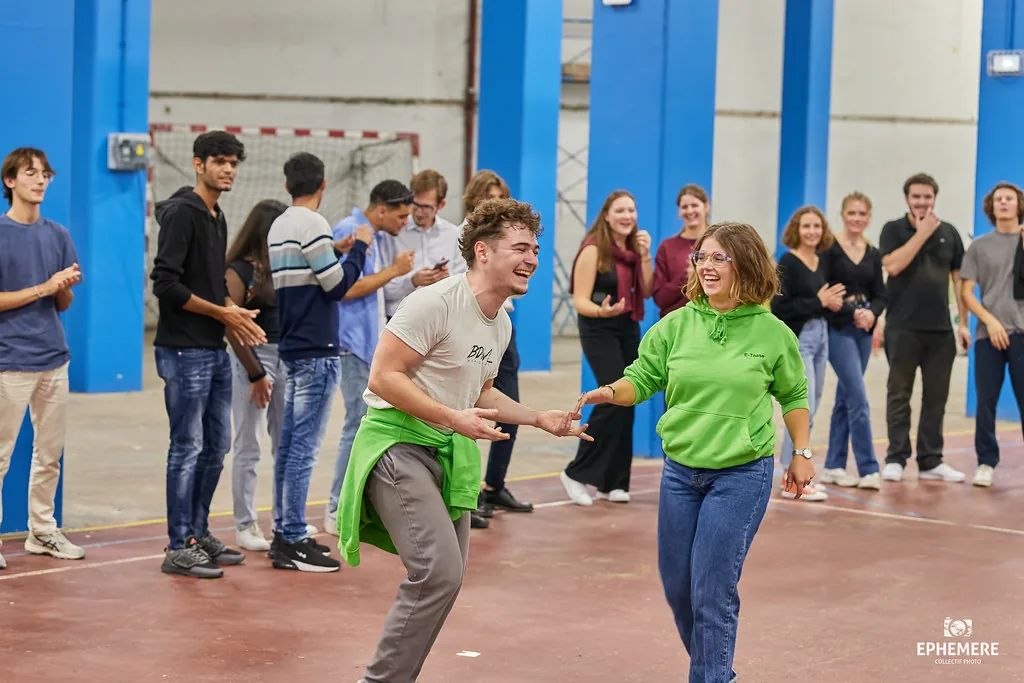
Bachata, a sensual dance that has achieved worldwide success, represents much more than a simple musical style. Indeed, it embodies the soul of the Dominican people, their history, passions, and struggles. Although it is now celebrated across the globe, its origins were very different. In fact, they were rather humble, even marginal. So, what is the history of bachata? Here is the answer!
Bachata’s Humble Beginnings
Bachata has its roots in the 1960s in the Dominican Republic. It emerged within a particular social and political context, as the country had only just come out of the dictatorship of Rafael Trujillo. The dance thus arose in rural areas and the working-class neighborhoods of Santo Domingo.
The word “bachata” itself originally referred to informal festive gatherings where people came together to dance and have fun. The music played at these parties was primarily inspired by bolero, a romantic musical genre originating in Cuba. However, bachata quickly distinguished itself through its simpler style and more poignant themes, centered on suffering or lost love.
To learn more about this Dominican rhythm, seeking guidance from a dance instructor on this website can be a very rewarding experience. Through private lessons covering both bachata practice and theory, you will be able to make very rapid progress.
The Stigmatization and Marginalization of Bachata
In its early days, bachata was far from receiving the approval of the Dominican elites. Instead, it was regarded as vulgar music reserved for the poorest social classes. Some even associated it with disreputable places such as bars and brothels. This stigmatization was partly due to the themes addressed in the songs. They spoke openly about:
- Sadness;
- Betrayal;
- Unrequited love;
- The hardships of life, etc.
Despite the talent of early bachata artists such as Calderón and Rafael Encarnación, this musical style therefore remained on the margins. It was almost never played on the radio, and record stores often hesitated to sell it for fear of tarnishing their reputation.
The 1980s: Bachata’s Revival
It was not until the early 1980s that bachata began to emerge from the shadows. This revival was mainly due to the influence of new artists and changing attitudes in the Dominican Republic. One of the major turning points during this period was the introduction of electronic instruments, particularly the electric guitar, which brought a more modern and dynamic sound.
As in salsa, many artists blended traditional elements of bachata with more contemporary influences to reach a wider audience. Several albums thus brought the style onto the international stage. These included:
- Bachata Rosa (1990) by Juan Luis Guerra;
- La Magia de Tus Besos (1988) by Luis Segura;
- El Cazador (1989) by Blas Durán;
Other landmark albums include La Musiquita (1991) by Antony Santos and many more.
The Internationalization of Bachata
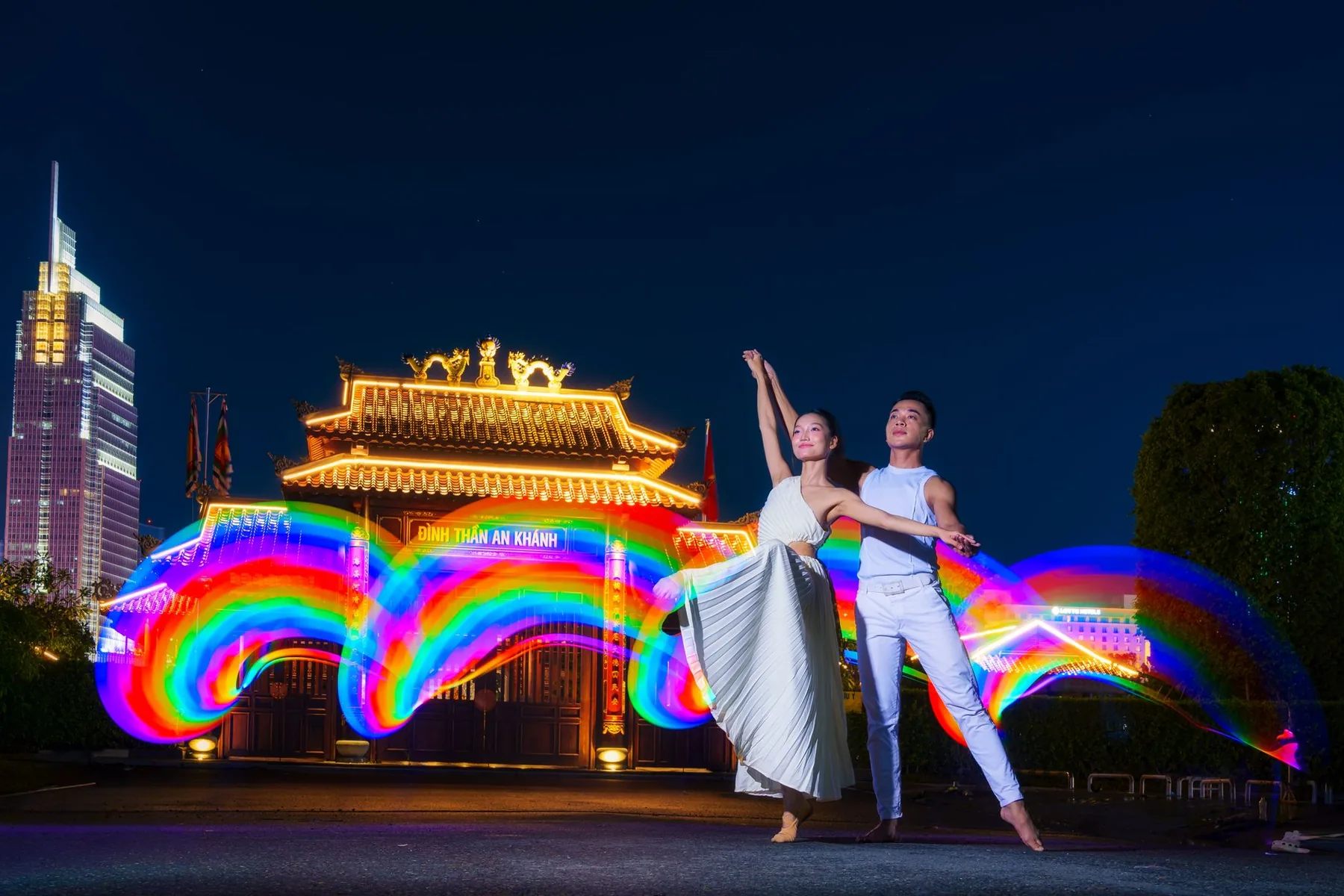
During the 1990s and 2000s, the arrival of the group Aventura, led by the charismatic Romeo Santos, gave the style another breakthrough. The group successfully fused traditional bachata with pop and R & B influences to win over Latin American audiences. The result was a tremendous success that also appealed to listeners in the United States and Europe. Soon afterward, hits such as “Obsesión” traveled around the world, making Aventura the symbol of a new generation of bachata.
Romeo Santos, who subsequently pursued a successful solo career, played a major role in popularizing bachata among younger audiences. His music enabled the dance to transcend linguistic and cultural boundaries around the world.
Bachata Today: A Global Phenomenon
Today, bachata has become an essential dance at Latin dance nights. Its sensual, rhythmic style appeals to millions of dancers, whether amateur or professional. Moreover, many dance schools offer introductory classes, demonstrating its immense popularity today.
In the same vein, bachata festivals are held every year in several countries, while contemporary artists continue to innovate within the genre. Thanks to the incorporation of urban or electronic music elements, bachata is no longer seen as merely music or a dance from Santo Domingo. It has become a global cultural symbol.
Although bachata has already come a long way since its humble beginnings, its evolution seems far from over. Highly renowned new artists continue to reinvent it while remaining faithful to its roots. It is fair to say that it retains its unique ability to tell stories of love, pain, and passion while setting hearts racing. This adaptability, which enabled it to survive, has made it immortal on the dance floor.