

Cuban music is a unique cultural blend. It combines Indigenous, European, African, Asian, and Latin American influences. This blend creates a distinctive sound featuring percussion, guitars, and wind instruments.
Genres such as son, salsa, mambo, rumba, and cha-cha-cha emerged from this fusion. Since its beginnings, Cuban music has captivated hearts around the world.
Introduction to Cuban music
Cuban music is a captivating blend of African influences and Spanish influences. Instruments such as claves and maracas have enriched it, creating a unique sound.
Fusion of African and Spanish influences
African percussion and the Spanish guitar shaped Cuban music. They gave rise to Cuban son. This fusion produced a unique musical style that reflects the island’s diversity.
Diversity of Cuban musical genres
Cuban music ranges from the melancholy Cuban bolero to the rhythms of rumba. It also includes the lively mambo. These genres demonstrate the richness of Cuban culture.
“Cuban music is a true kaleidoscope, combining the oldest traditions with contemporary innovations to create a sound unlike any other in the world.”
The diversity and creativity of Cuban music have made it famous worldwide. It has become a symbol of Cuban culture.
Origins and evolution of Cuban music
Cuban music is a blend of cultures. It combines Indigenous, European, African, Asian, and American influences. Cuban son and Cuban bolero are two key genres of this music.
Cuban son and its roots
Cuban son originated in the mountains of Santiago de Cuba in the nineteenth century. Guajiros (peasants) spread the genre throughout Cuba with their guitars. Today, Cuban son is a cornerstone of Cuban music and has influenced salsa.
Cuban bolero and the serenade tradition
Cuban bolero emerged in Santiago de Cuba during the second half of the nineteenth century. It accompanied romantic serenades performed beneath balconies. Artists such as Miguel Matamoros, Sindo Garay, and Pepe Sánchez enriched this tradition.
Son and bolero became highly successful. They also addressed the political and social issues of their time.
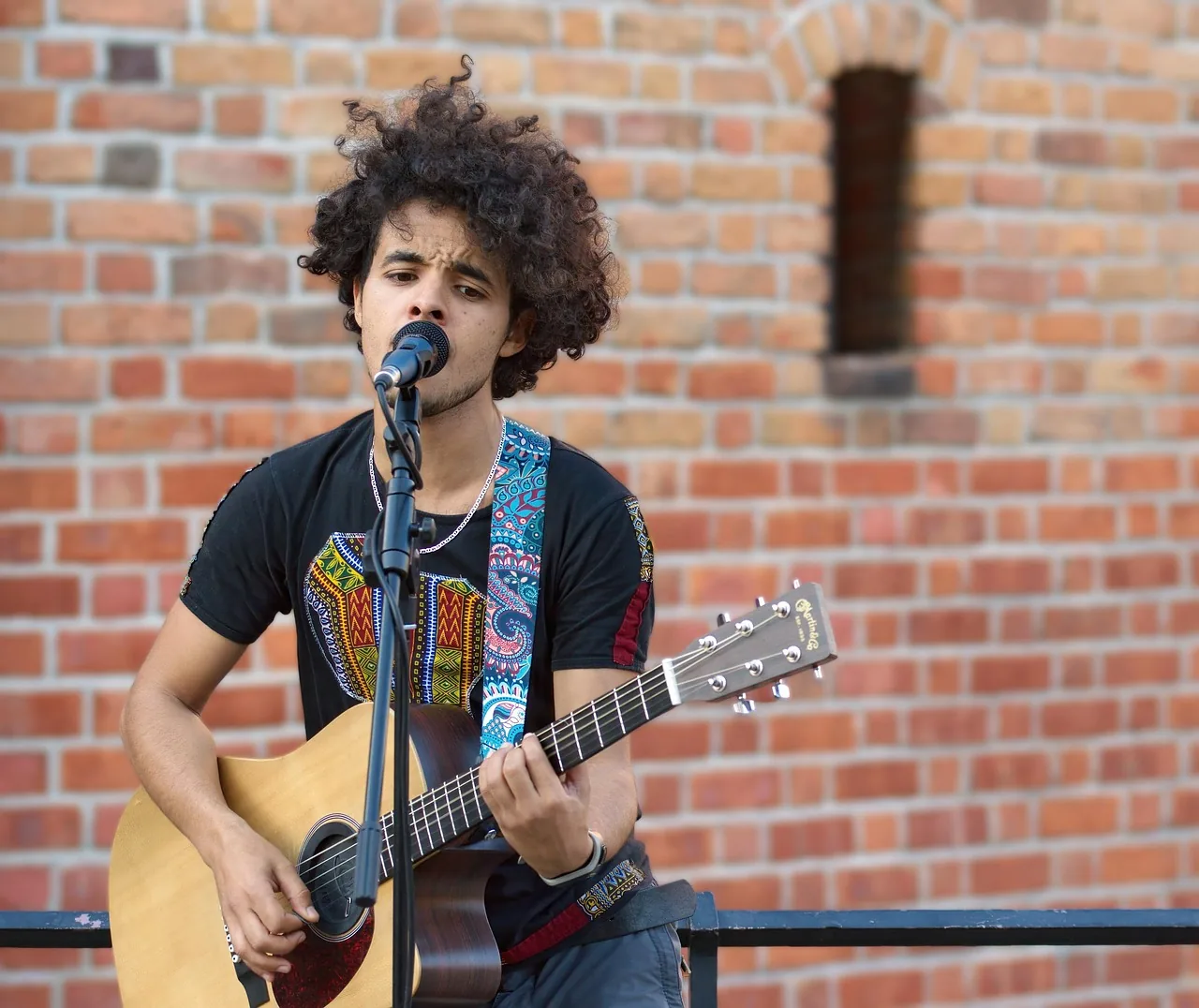
What is Cuban music called?
A large musical family that captivated the world
Cuban music is a rich and varied musical family. It includes genres such as mambo and salsa, son, and bolero. It was born in Santiago de Cuba and went on to captivate the world, becoming extremely popular.
It has reached audiences from Havana to New York and Paris. Cuban music has become a symbol of global culture.
Cuban genres arose from a blend of African and Spanish influences. They created a unique sound. From son and bolero to salsa and mambo, Cuban music has transformed music around the world.
| Genre | Origin | Influence |
|---|---|---|
| Cuban son | Late nineteenth to early twentieth century | The origin of all forms of salsa |
| Cuban bolero | Serenade tradition | Restrained and elegant dance characterized by calm, refinement, and gentleness |
| Salsa | Blend of Cuban rhythms | Worldwide popularity |
| Mambo | Developed in the 1940s | Fast-paced, lively partner dance |
This Cuban musical family has captivated hearts around the world. It has become a symbol of Cuban culture.
“Cuban music is a universal heritage, a window into the creativity and joy of life of the Cuban people.”
Key instruments in Cuban music
Cuban music is a unique blend of influences. It combines instruments of European and African origin. This fusion creates a sound that reflects the island’s cultural diversity.
Instruments of European origin
String instruments such as the violin, guitar, and tres come from Europe. The tres, a small three-course guitar, originated in Santiago de Cuba. Wind instruments such as the flute and keyboard instruments such as the piano were also adopted.
The piano played a crucial role in the development of timba during the 1980s.
Instruments of African origin
African percussion is essential to Cuban music. Congas, timbales, the bocú, and bongos are widely used. Idiophones such as claves, maracas, the güiro, and the shekere add a distinctive rhythm.
Batá drums, which have remained faithful to their African roots, are used in salsa and Latin jazz.
FAQ
What is Cuban music called?
What defines Cuban music?
What are the origins and evolution of Cuban music?
What is Cuban music called?
What are the key instruments in Cuban music?
Source links
- https://www.nps.gov/articles/000/salsa-is-more-than-salsa.htm
- https://theteachersinstitute.org/curriculum_unit/oye-como-va-african-and-hispanic-influences-on-music/
- https://apnews.com/article/cuba-young-musicians-crisis-music-reparto-7d82ad2473c1232cbdab03256ed564e0
- https://academicworks.cuny.edu/gc_etds/3390/
- https://college.berklee.edu/courses/lmas-260
- https://en.wikipedia.org/wiki/Music_of_Cuba
- https://ich.unesco.org/en/RL/the-practice-of-cuban-son-02299
- https://www.masterclass.com/articles/guide-to-son-cubano
- https://journals.openedition.org/ethnomusicologie/906?lang=en
- https://www.cuba-percussion.com/en/book-dvd.html
- https://www.timba.life/en/music/instruments
- https://www.letslearn.org/all-about-cuba-rlisgd/